11 Kitchen Tools Quietly Shedding Microplastics Into Your Meals

You already know the cutting board debate. Plastic versus wood, which one sheds, which one doesn’t, and if you want to check your own, our walkthrough on spotting a board that’s shedding plastic covers it.
What gets less attention is everything else touching your food between the fridge and the plate. Strainers, spatulas, tea bags, the seal inside your blender.
None of it looks like a problem. It’s just kitchen stuff, the things you grab without thinking.
Plenty of these tools are made from plastics that wear down with heat, friction, or age, and some research suggests a portion of that wear ends up in food. Amounts vary a lot by product, and what it means for health is still being studied, so treat this as a where-to-look list rather than a reason to panic.
11 tools, counting down to the one most kitchens use every single day. For the broader roundup of everyday plastic sources, our list of 31 everyday items worth a second look is the companion piece.
11. Melamine Dishes and Utensils
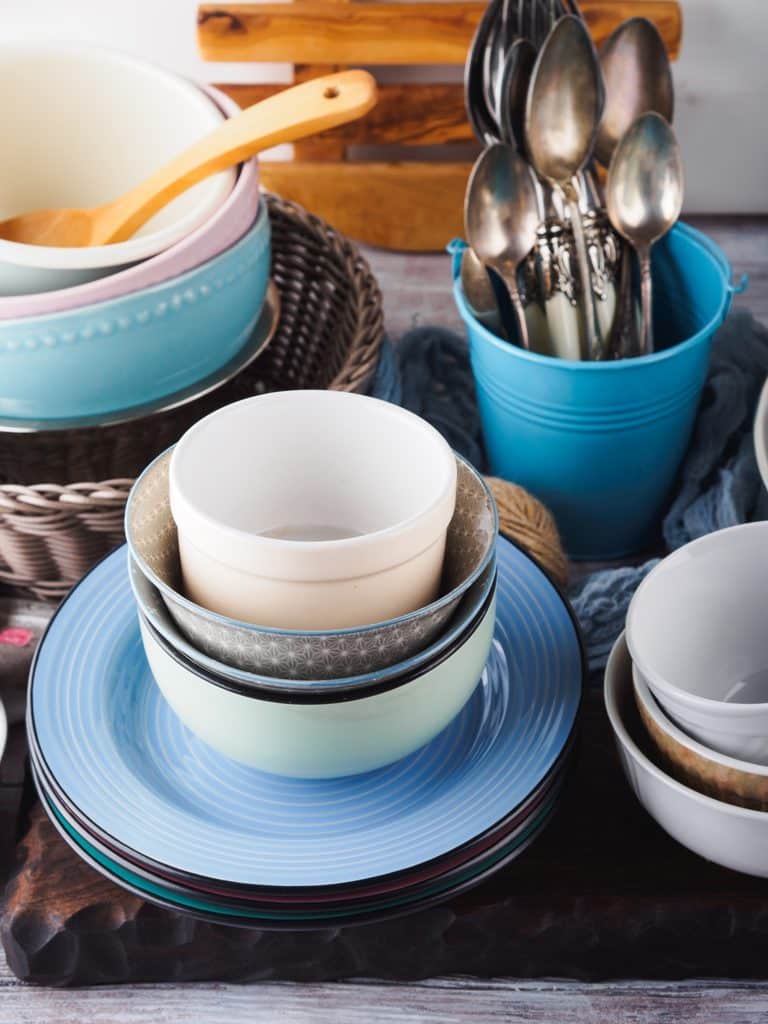
Melamine looks and feels like ceramic, which is the whole trick. It’s a plastic resin, and it’s less inert than the glossy finish suggests.
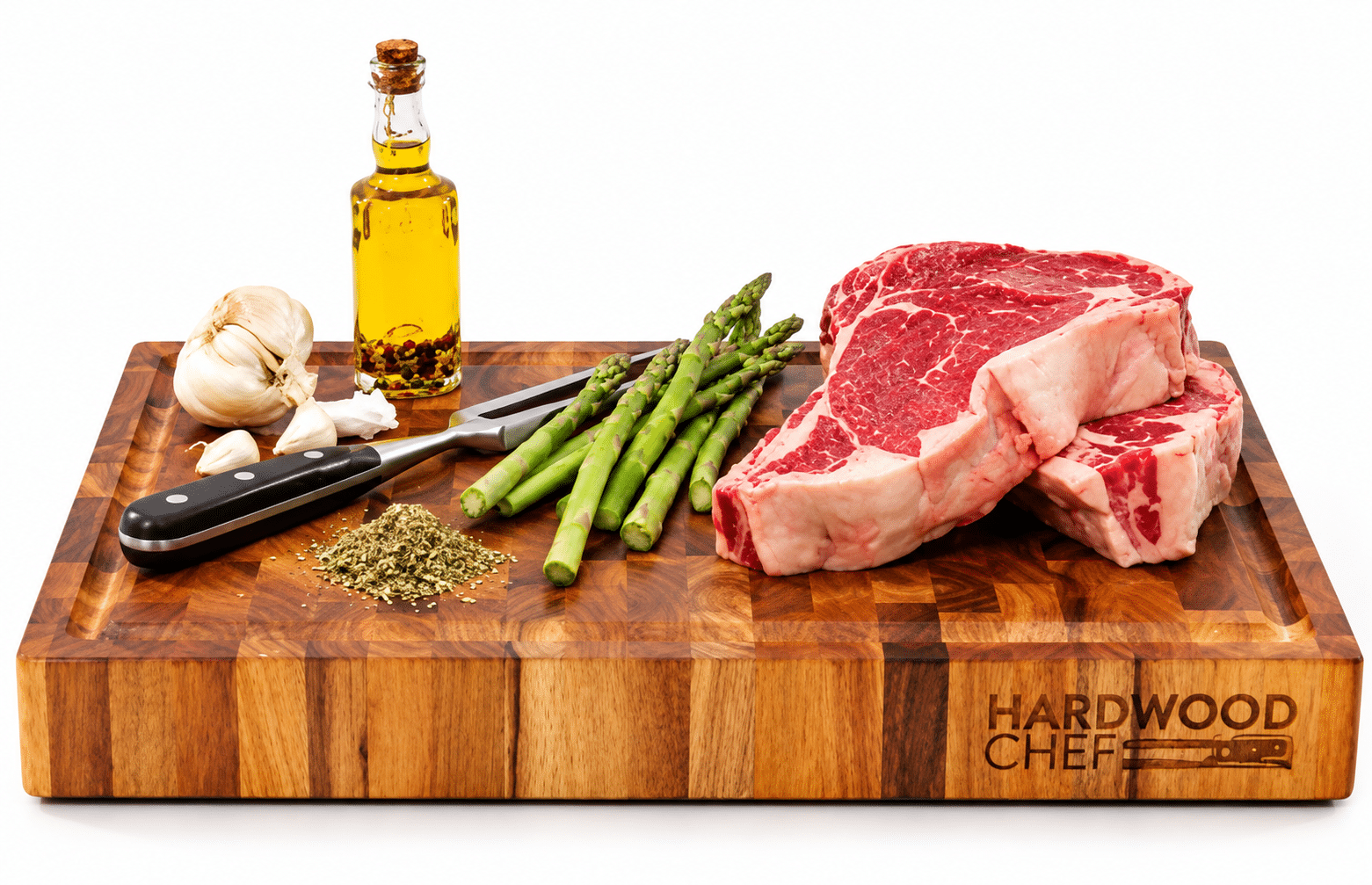
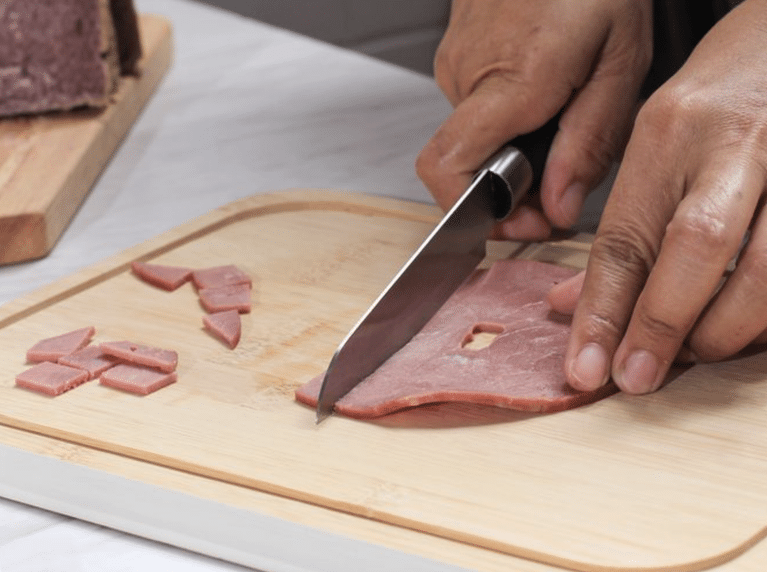
Researchers estimate plastic cutting boards can shed tens of millions of microplastic particles into food each year, and the knife grooves they build up are hard to fully clean. Our thick end grain acacia board has no plastic to shed, is gentle on your knives, and doubles as a serving board. See why it's worth switching.
See the board, now $119Regularly $179 · Arrives gift-wrapped in butcher paperSome studies have found that melamine-based dishes can release more of their components into food when they’re heated, scratched, or holding something acidic. Cold, dry snacks are a mild use, while microwaving soup in a melamine bowl is a very different one.
Heat and wear show up as the deciding factors across most plastics, which our look at what the kitchen microplastics research shows so far walks through in more detail.
The Breakdown
Main drivers: heat, scratches, acidic food
Priority: medium
Swap: ceramic, glass, or stainless for anything hot
10. Plastic Can Openers
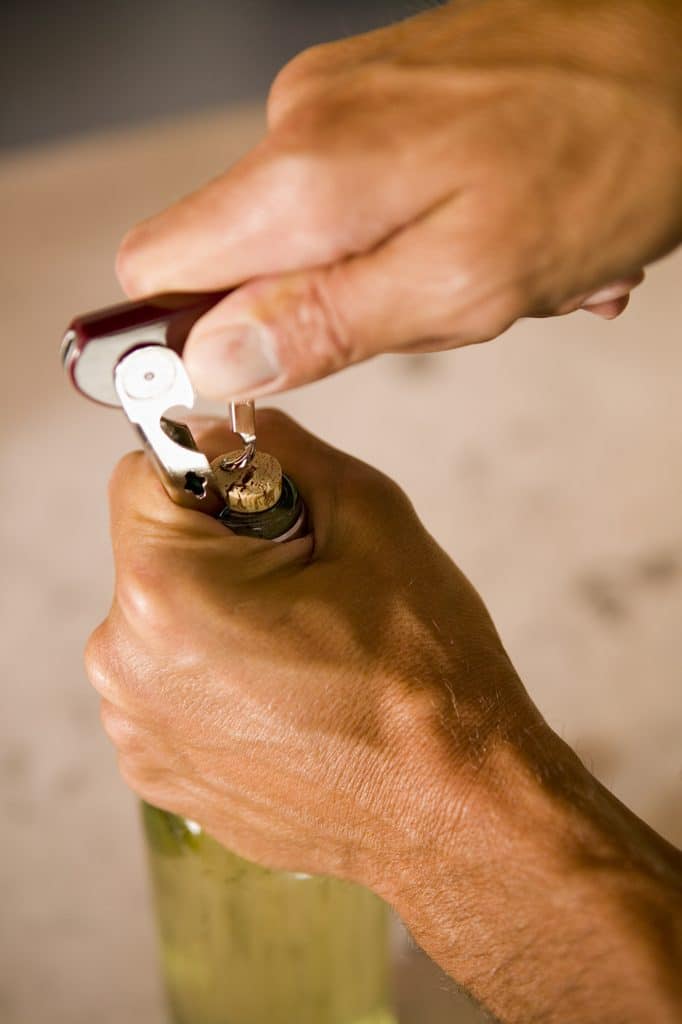
Budget can openers often have plastic gears and housings, though the cutting wheel itself is metal. Some wear is inevitable when parts grind together, and in theory a little of it can reach the can rim.
Realistically, this is one of the lowest-priority items here. Contact is brief, there’s no heat involved, and nobody needs to toss a working can opener over it.
When yours finally dies, an all-stainless model costs about the same. Until then, wiping the rim before pouring is a good habit anyway.
The Breakdown
Main drivers: friction
Priority: low
Swap: all-stainless opener when the current one breaks
9. Blender Gaskets and Seals
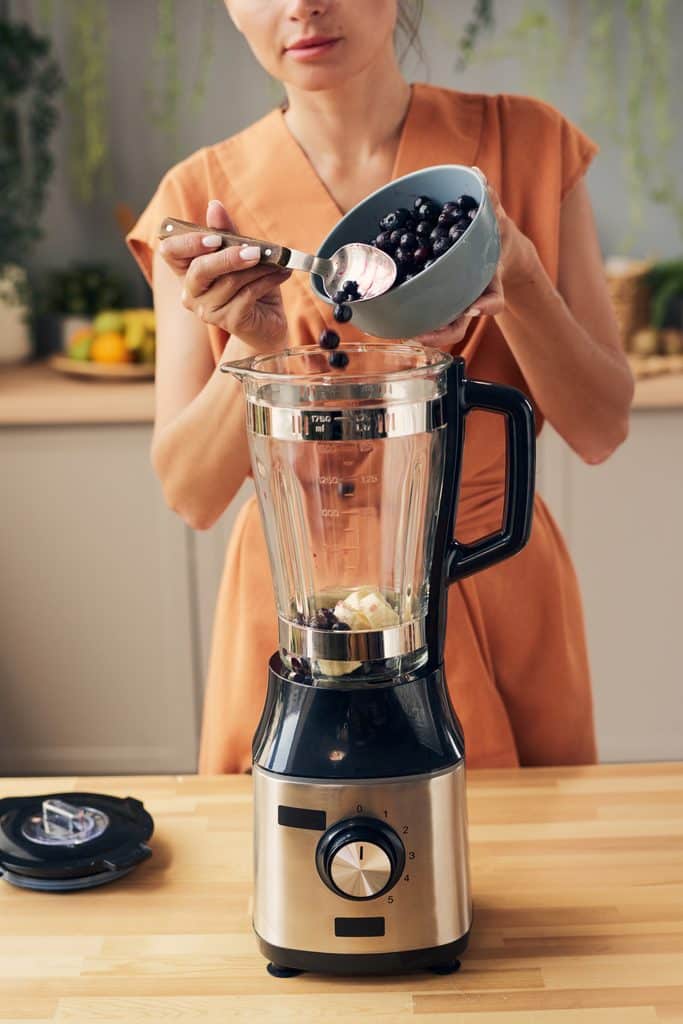
The rubber or silicone ring under the blade assembly takes a beating. Hot soups, crushed ice, and repeated washing wear it down gradually, and most people don’t think about it until it leaks.
A worn gasket likely sheds more than a fresh one, and its cracks can trap food residue too. A plastic pitcher gets the same treatment from blades and ice, which shows up as clouding over time.
Replacement gaskets are usually inexpensive and take about a minute to swap. Checking for cracks or stiffness once or twice a year is plenty.
The Breakdown
Main drivers: friction, heat
Priority: medium
Swap: fresh gasket on a schedule, glass pitcher when the blender is due
8. Plastic Ice Cube Trays
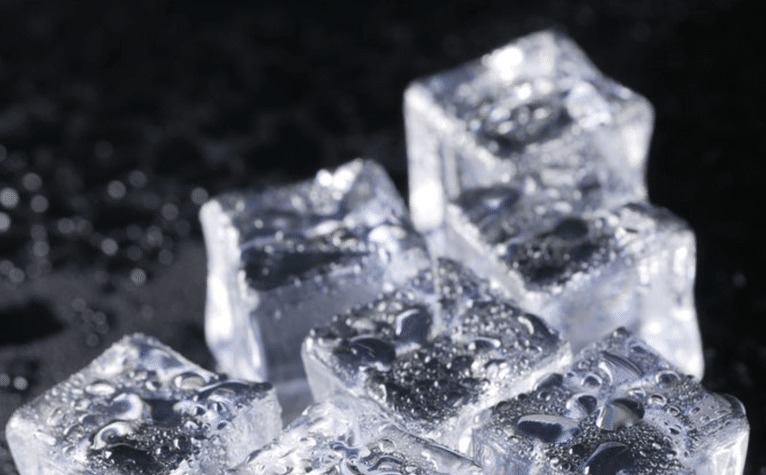
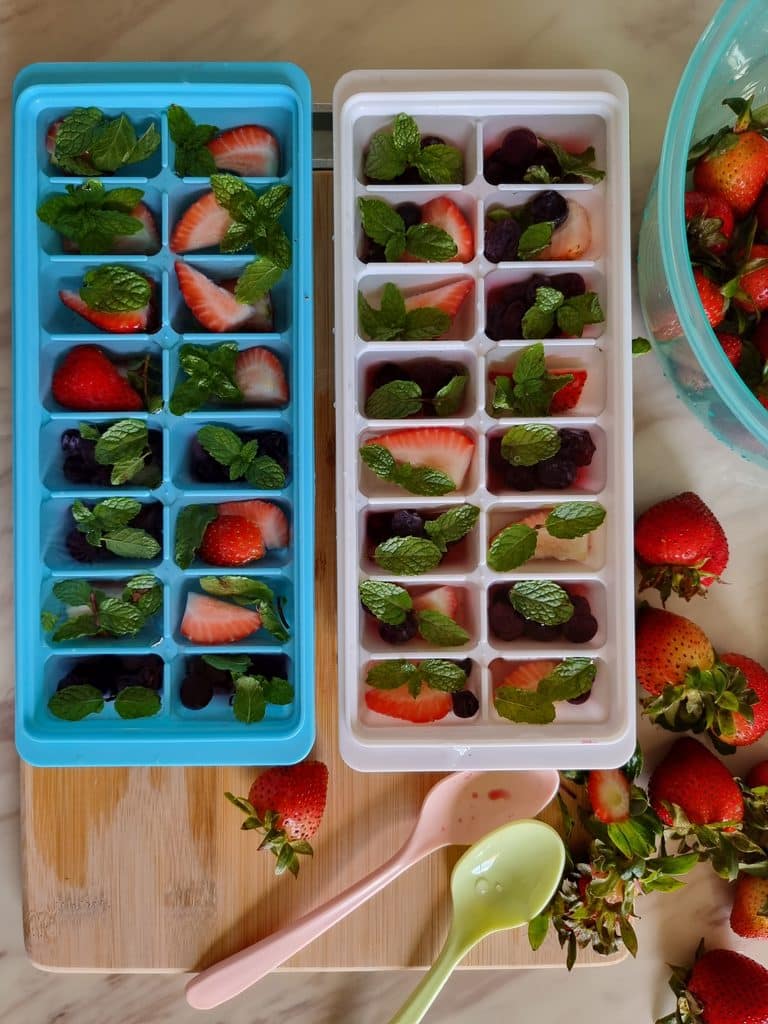
Repeated freezing and thawing makes many plastics brittle, and the twist-and-pop motion stresses the same corners again and again. That’s why old trays crack at the edges first.
Still, this is frozen water against plastic, which is about as mild as kitchen contact gets. A cracked tray is a good excuse to switch, but an intact one isn’t urgent.
Stainless trays skip the question entirely. Silicone flexes without cracking and is generally considered more stable than most plastics, though it’s still a synthetic material.
The Breakdown
Main drivers: cold cycling, flexing
Priority: low
Swap: stainless or silicone once the old tray cracks
7. Nylon Mesh Tea Bags and Infusers
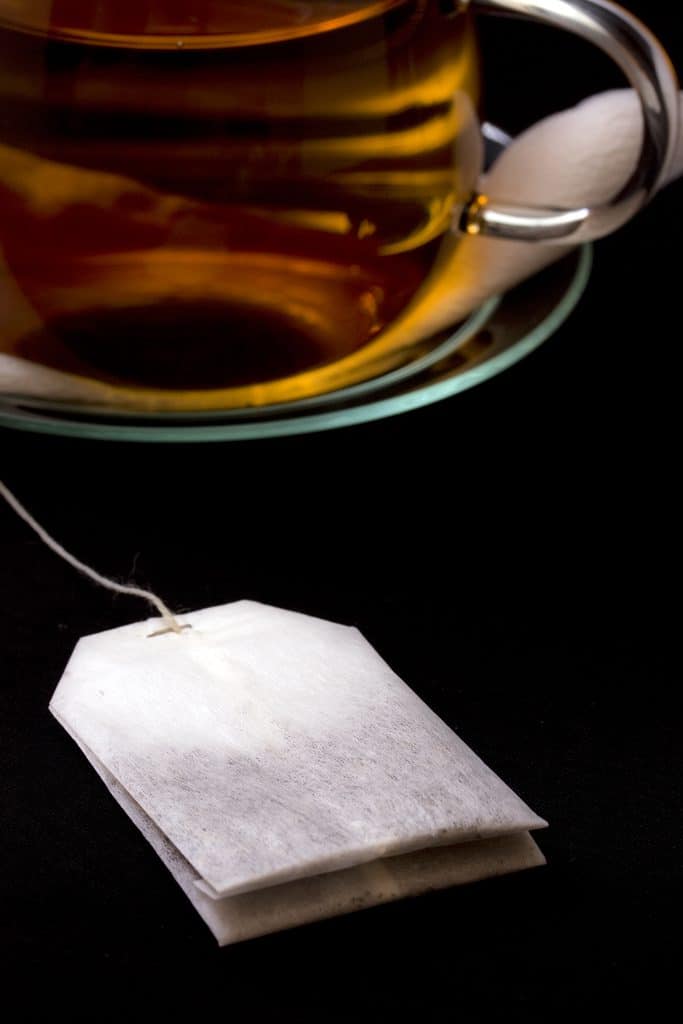
This one catches people off guard. The silky pyramid tea bags that look premium are often woven nylon or PET plastic, not paper.
Steeping plastic mesh in near-boiling water puts heat and direct contact in the same cup, and some research suggests these bags can release particles during brewing. Plastic mesh infusers raise the same question.
Loose leaf in a stainless infuser sidesteps it, and loose leaf tends to cost less per cup. It ranks among the higher-priority moves in our guide to which plastic-free swaps to make first.
While You're Here
9 Warning Signs Your Cutting Board Is Contaminating Your Food
Most people replace a cutting board when it looks bad, not when it needs replacing. Those aren't the same thing. A board...
The Breakdown
Main drivers: heat, direct contact
Priority: high
Swap: paper bags, or loose leaf with a stainless infuser
6. Plastic Funnels
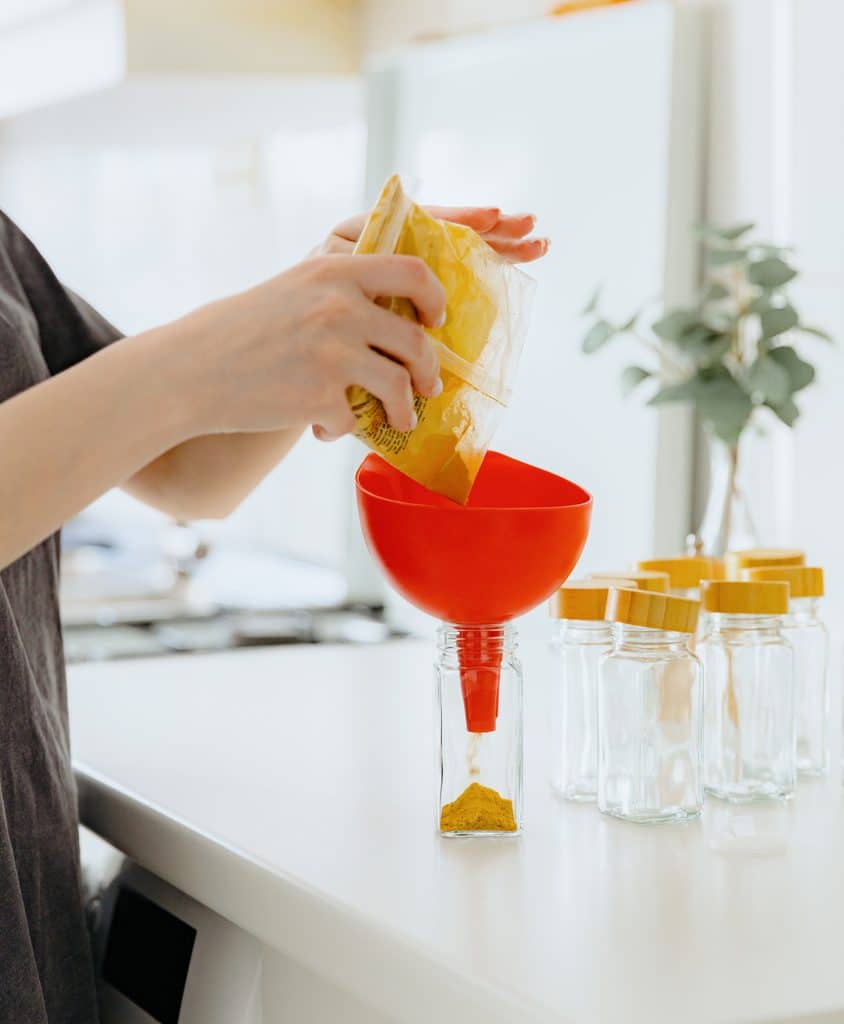
Small, easy to forget, and often used for exactly the wrong job. Hot broth, melted fat, and fresh jam all tend to pass through a funnel on their way into storage.
Heat plus fat comes up again and again in plastics research, and a funnel channels both through a narrow spout. Stainless funnels are cheap and don’t care how hot the liquid is.
The Breakdown
Main drivers: heat, fat
Priority: medium for hot liquids, low for dry goods
Swap: stainless
Worth Knowing: Most plastic tools show warning signs before they wear badly. Clouding, a chalky feel, rough or feathered edges, warping, and deep scratches all point to a surface that’s breaking down, and those pieces are the ones to retire first.
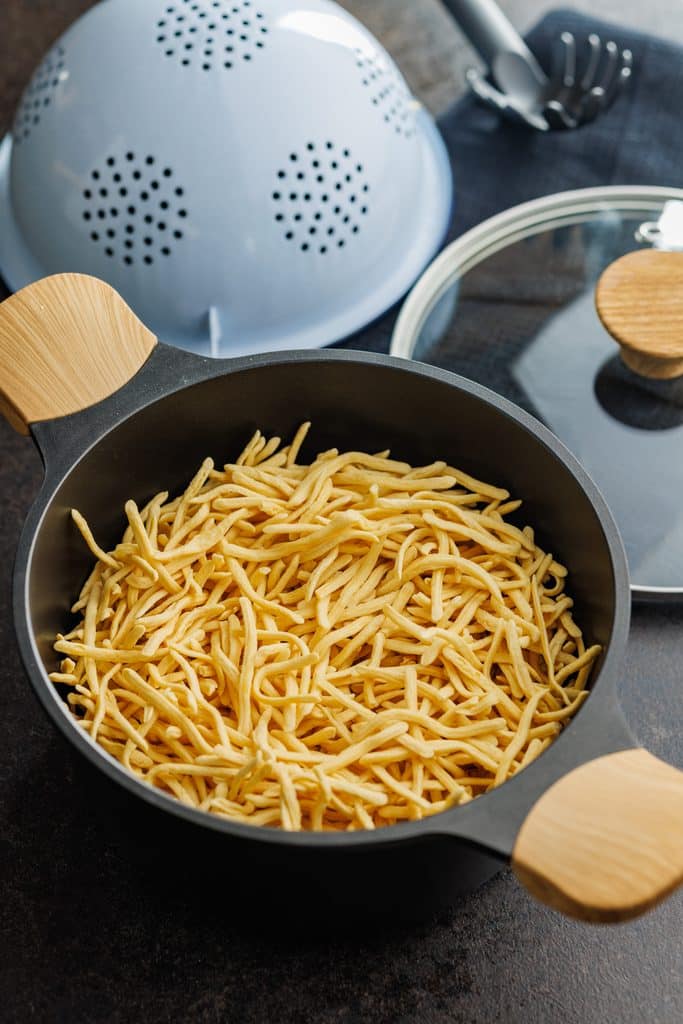
5. Mesh Produce and Pasta Strainers
Plastic colanders and mesh strainers get hit from both directions. Boiling pasta water pours through them, then they get scrubbed to work starch out of every hole.
Mesh and perforated designs have a lot of surface area, which is exactly where wear concentrates. A plastic colander that’s gone cloudy or rough has been through plenty of both.
A stainless colander costs a little more up front and lasts decades. Our rundown of non-toxic upgrades that cost less than you’d expect puts this one firmly in the cheap category.

Jonathan grew up in New Jersey until his family moved to Germany, where he spent his youth in old-world butcher shops and French markets and learned that the best meals happen around a shared table. HardwoodChef started with one idea: make the board at the center of those moments.
Unlike plastic, it has nothing to shed into your food. Unlike glass or bamboo, its end grain is easy on your knives. And at nearly two inches thick, it’s sturdy enough to carve on and good-looking enough to serve straight from the board.
“Food brings people together. I wanted to make something worthy of sitting in the middle of it.”
Read Jonathan’s storyThe Breakdown
Main drivers: heat, scrubbing
Priority: medium to high if pasta night happens weekly
Swap: stainless colander and fine-mesh strainer
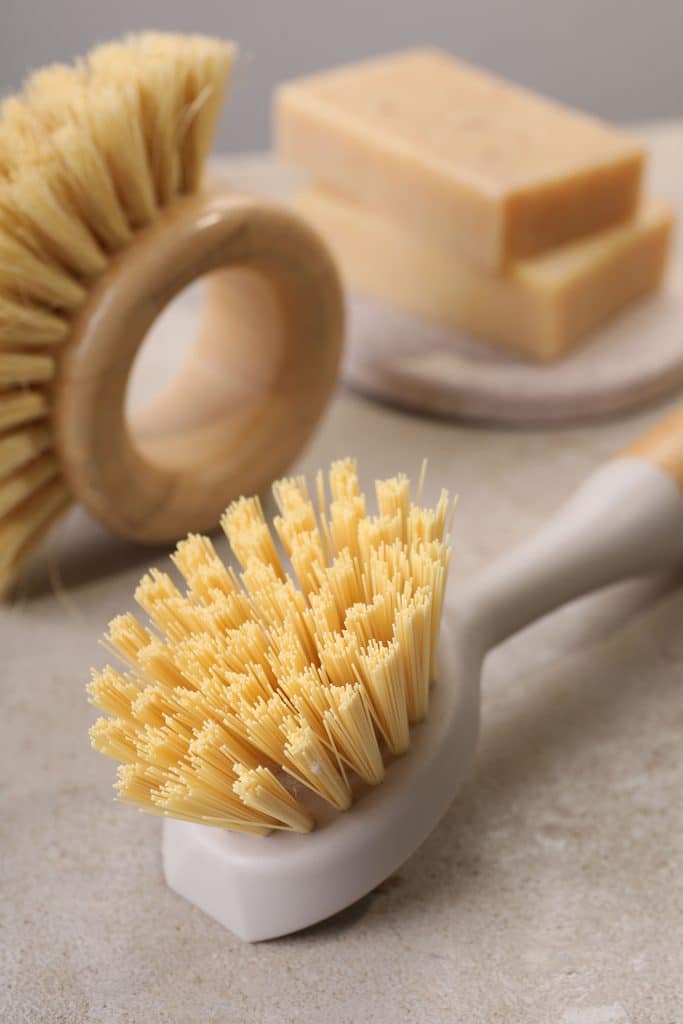
4. Plastic Dish Scrub Brushes
Scrub brush bristles are designed to wear down. That’s how they clean, and it also means fine fibers come off onto the dishes you eat from.
Synthetic sponges work the same way, crumbling a little with every scrub. Splayed, shortened, or uneven bristles are a sign a brush is wearing faster than it did when new.
A wood brush with plant-fiber bristles handles the same jobs. A quick rinse after washing takes care of any stray fibers on plates, whatever brush you use.
The Breakdown
Main drivers: abrasion
Priority: medium
Swap: wood handle with natural bristles
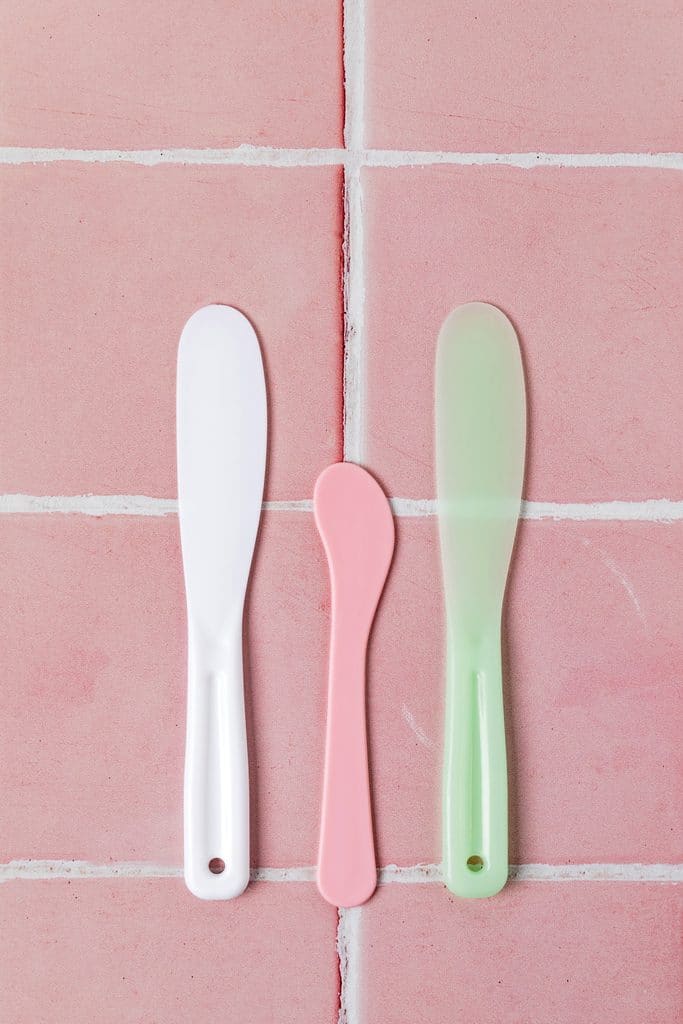
3. Worn Plastic Spatulas and Turners
Look at the edge of any plastic spatula that’s a few years old. It’s usually rounded, chipped, or feathered where it used to be crisp.
That missing material had to go somewhere, and some of it likely went into the pan. Scraping a hot surface over and over combines friction and heat, two of the conditions most associated with plastic breakdown.
Wood tools hold their shape well and won’t scratch your cookware. Silicone is the common middle ground, generally considered more heat-stable than most plastics.
The Breakdown
Main drivers: heat, friction
Priority: high
Swap: wood or stainless, with silicone as a middle option
Dig Deeper
How to Choose the Right Wood Cutting Board for Your Kitchen
Walk down a cutting board aisle and it's a wall of options that all look roughly the same. They aren't, and the...
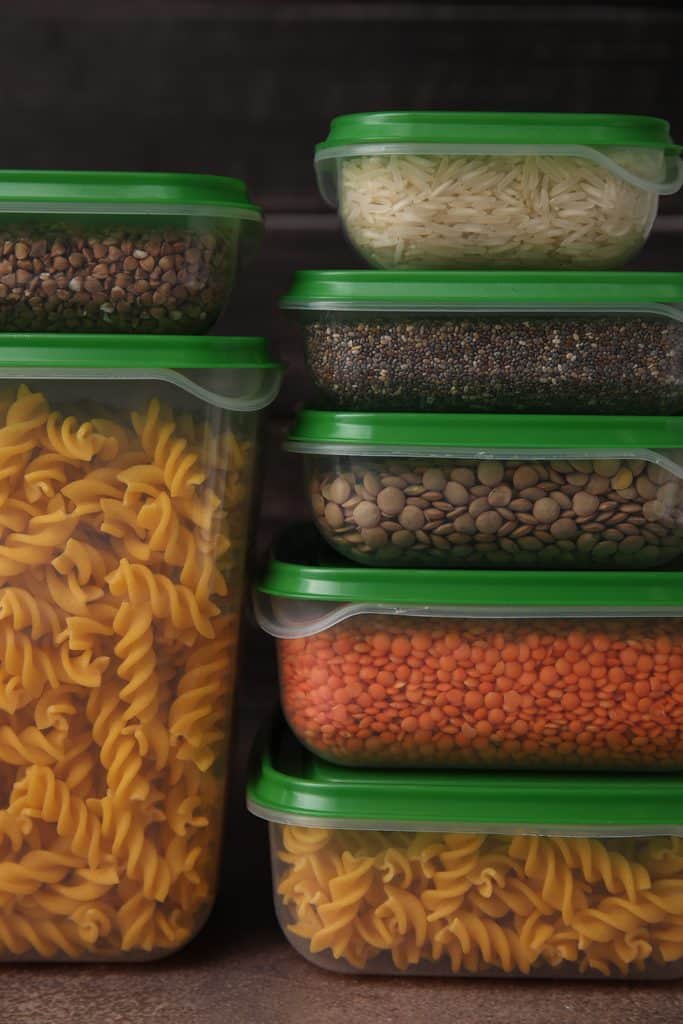
2. Flexible Plastic Storage Lids
The soft, squeezable lids on many storage containers get snapped on and off hundreds of times. Repeated flexing is the kind of stress that wears plastic down over time.
Microwaving under those lids adds heat and steam, and the condensation dripping off the lid lands right back in your food. That’s the part worth changing.
Quick fix: take the lid off before microwaving and cover the food with a plate instead. A microwave-safe label generally means the container holds up to heat without warping, and it doesn’t necessarily tell you anything about particle release. More habits like this one are in our list of everyday kitchen habits worth rethinking.
The Breakdown
Main drivers: flexing, heat, steam
Priority: high if lids go in the microwave
Swap: glass containers, or a plate as the microwave cover
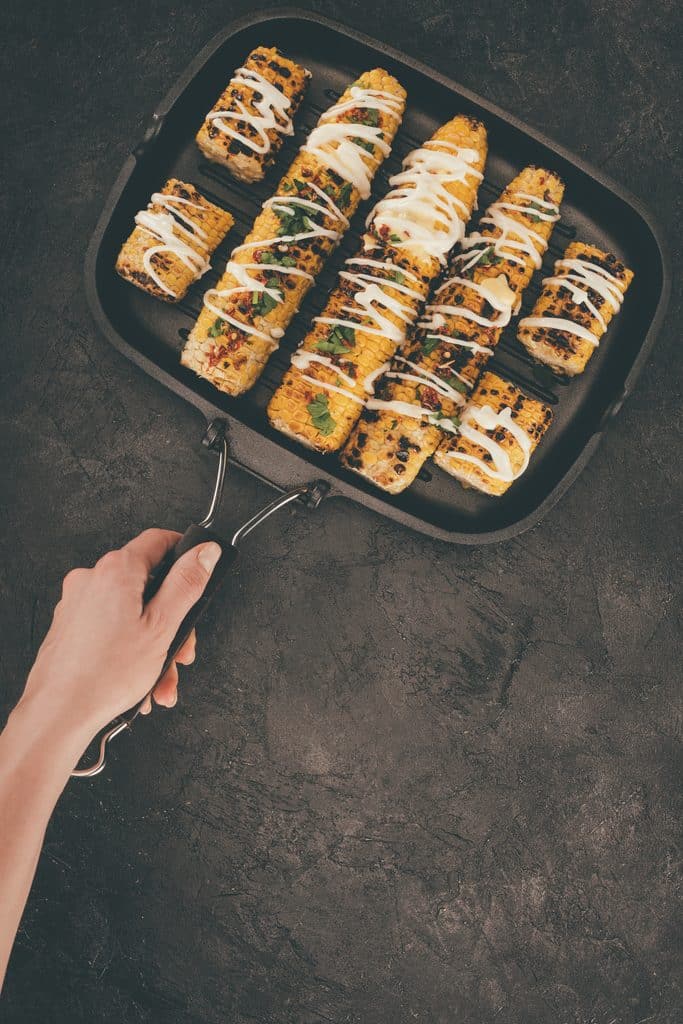
1. That Nonstick Pan You Use Every Single Day
This one surprises people most, mostly because nonstick pans don’t look like plastic. They look like metal with a dark finish.
That finish is a polymer coating, usually PTFE. It’s generally considered stable when intact and used at normal cooking temperatures, but scratches from metal utensils, overheating an empty pan, and dishwasher cycles all speed up how fast it wears.
Flaking, discoloration, or patches that have lost their slickness mean coating has come off somewhere. Some of it has likely ended up in food over the months it took to become visible.
Readers Can't Stop Opening These
★ 10 Toxic Kitchen Habits You Didn’t Know You Had
It’s also the tool people are most reluctant to give up, since nonstick is convenient. A reasonable middle ground is treating a scratched or flaking pan as done instead of stretching it another year, and using wood tools on newer pans to slow the wear.
The same check-your-surfaces logic applies to the cutting board under all that prep. Our checklist of signs a board is past its prime covers what to look for, and if you’re replacing a scarred plastic board, an end-grain wood board like the acacia ones we make at HardwoodChef tends to handle years of knife work while wearing slowly and evenly.
The Breakdown
Main drivers: heat, scratching
Priority: highest on this list
Swap: stainless or cast iron, starting with the pan you use most
The Short List
Nobody’s kitchen needs to be plastic-free by next weekend. That isn’t realistic, and it isn’t really the point.
If you only fix three things: retire the nonstick pan once it’s scratched, stop microwaving under plastic lids, and switch away from plastic mesh tea bags. Those three combine the most heat with the most direct food contact.
Everything else can be swapped as it wears out. For the bigger picture, our beginner’s guide to a non-toxic kitchen, room by room lays it all out, and our habits for making a wood board last decades cover the one tool worth buying once.