13 Non-Toxic Kitchen Upgrades That Cost Less Than You Think

“Non-toxic kitchen” sounds like a phrase that comes with a big receipt. New cookware, new storage, maybe a contractor.
Most of that reputation is undeserved. Plenty of the changes that matter cost less than a dinner out, and the pricey ones can be spread across a year.
This list mixes cheap fixes with a few bigger purchases, and it says so plainly when something isn’t worth the money for your kitchen. Every price is a rough range, since brands and stores vary a lot.
If you’d rather tackle this room by room, our beginner’s walkthrough of a non-toxic kitchen pairs well with it.
13 upgrades, counting down to the most expensive one, which also tends to earn its keep the fastest.
13. A Metal Ice Cube Tray or Silicone Set
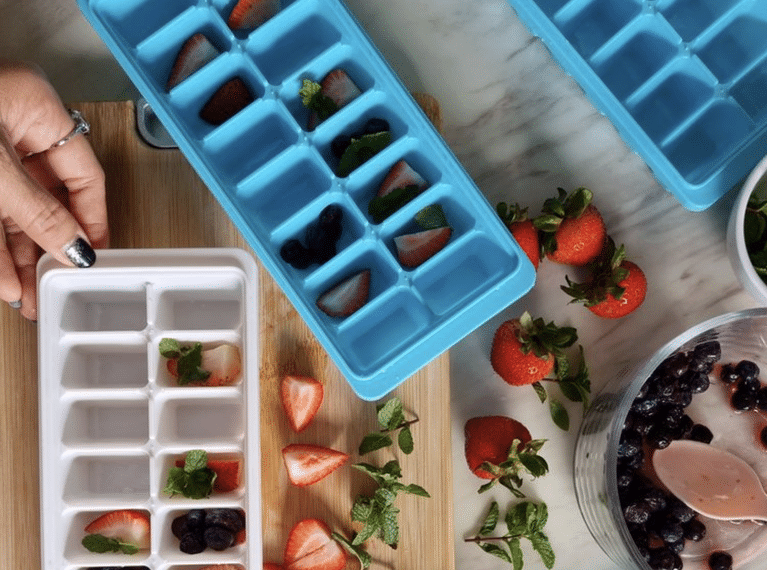
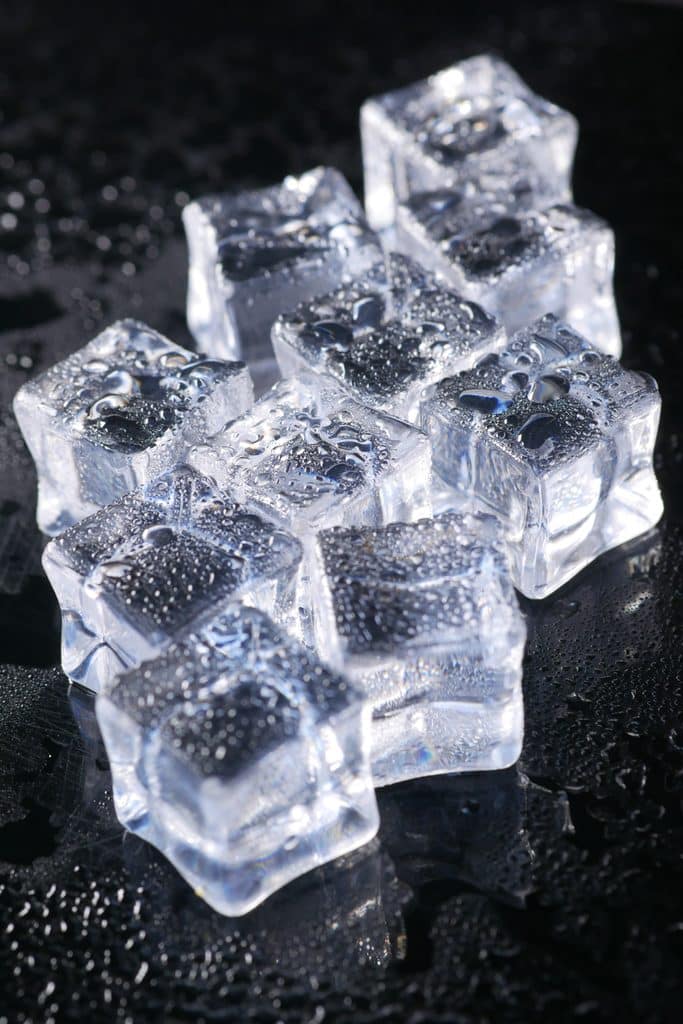
Start with the smallest one on the list. A stainless tray or a silicone set runs roughly $10 to $15, and it replaces the plastic tray that’s been cracking at the corners since two apartments ago.
To be fair to plastic, ice trays are a low-exposure item. Frozen water against plastic is a mild situation compared with anything hot, so if your current trays are intact, this one can wait until they break.
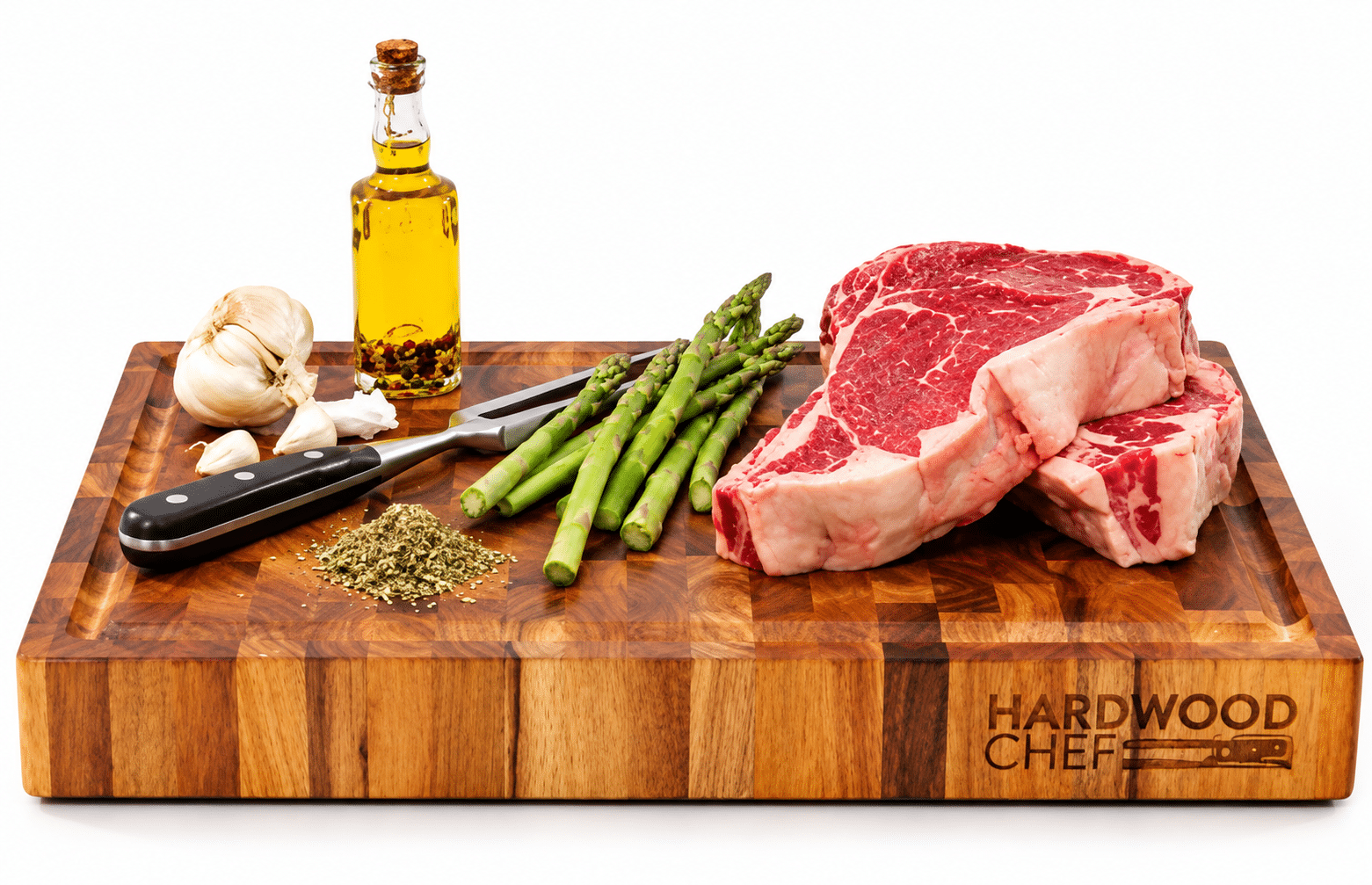
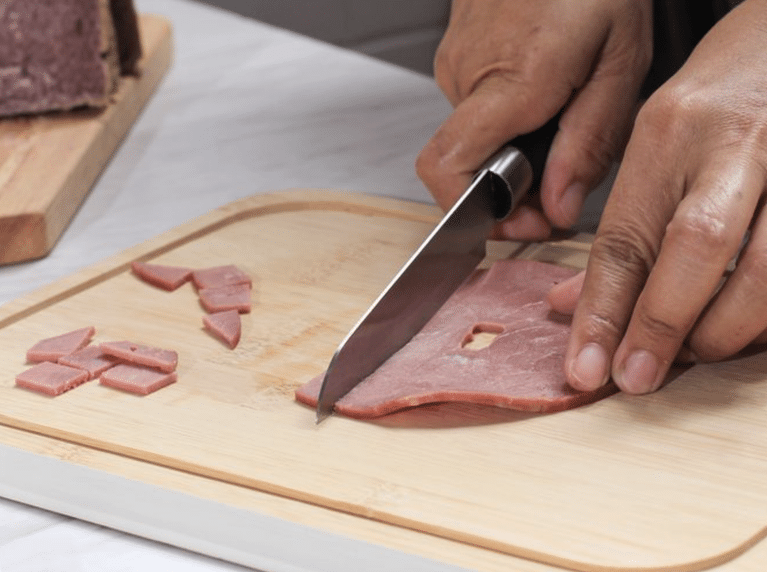
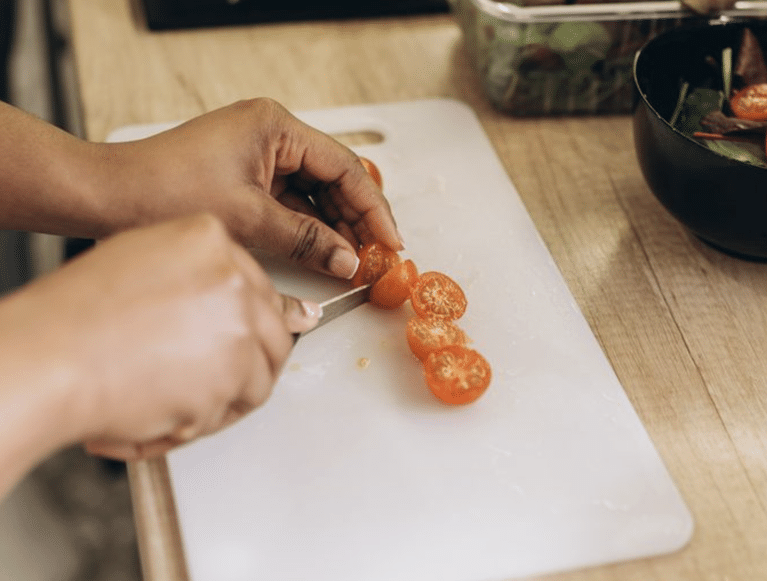
Researchers estimate plastic cutting boards can shed tens of millions of microplastic particles into food each year, and the knife grooves they build up are hard to fully clean. Our thick end grain acacia board has no plastic to shed, is gentle on your knives, and doubles as a serving board. See why it's worth switching.
See the board, now $119Regularly $179 · Arrives gift-wrapped in butcher paperSilicone gets a footnote too. It’s generally considered more stable than most plastics, but it’s still a synthetic material, so stainless is the simpler pick if you’d rather skip the question.
Fast Math
Upfront: roughly $10 to $15
Lasts: years, stainless especially
The catch: low impact, so it’s a when-it-breaks swap
12. Reusable Produce Bags
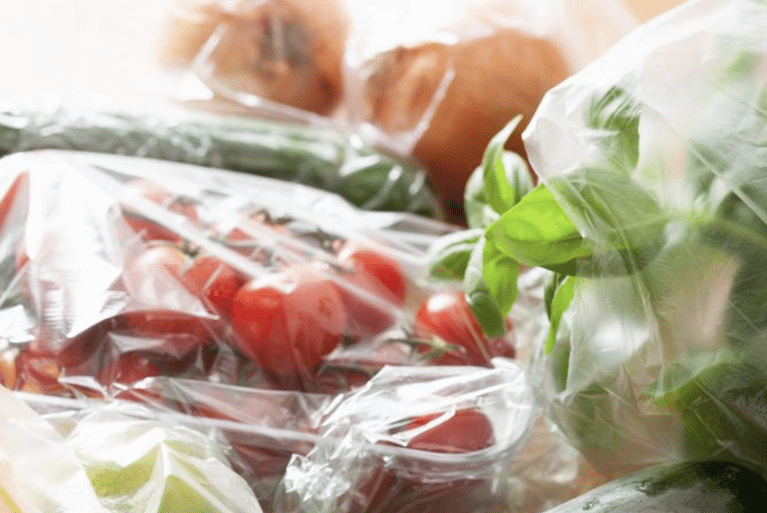
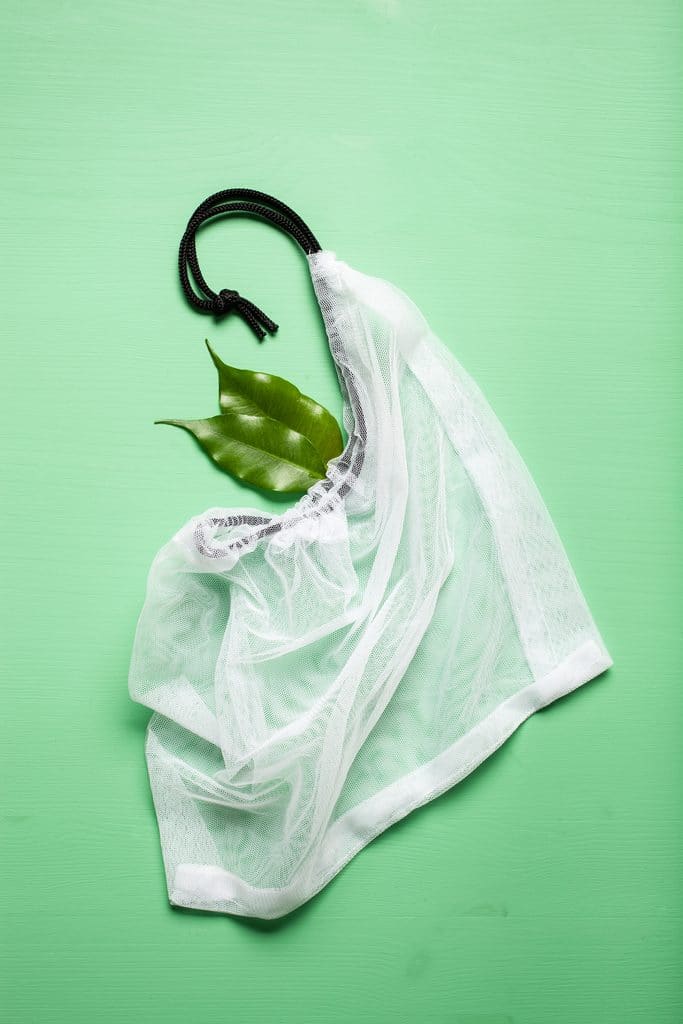
Mesh or cotton produce bags run about $10 to $20 for a set and hold up for years. They cut a surprising amount of single-use plastic if you buy loose produce every week.
The money part is easy. Remembering them is the hard part, which is why bags clipped to your shopping tote get used and bags in a kitchen drawer don’t.
Fast Math
Upfront: $10 to $20 for a set
Lasts: several years
The catch: mostly a waste win, since dry produce in a bag is low contact
11. A Stainless Steel Colander
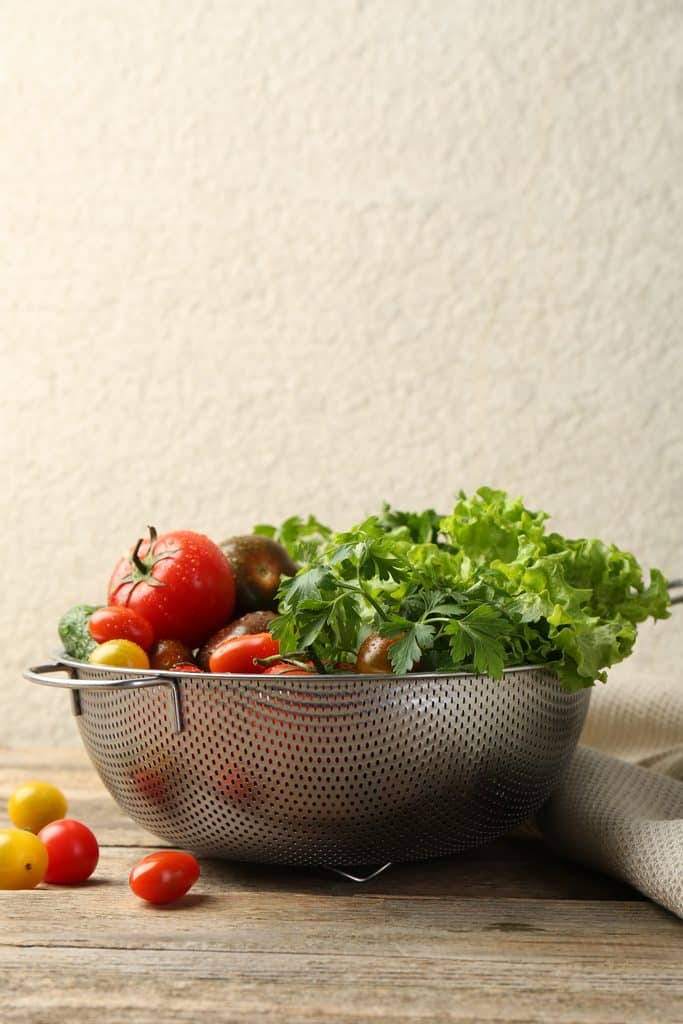
Expect roughly $15 to $30 depending on size. Once it’s in the cabinet, not much can go wrong with it short of backing the car over it.
A colander takes boiling pasta water, which is a lot of heat pouring through plastic mesh if you’re still using a plastic one. Plastic colanders also tend to crack or warp within a few years, so metal wins on both counts.
Fast Math
Upfront: $15 to $30
Lasts: decades
The catch: none worth mentioning
10. A Loose-Leaf Tea Infuser
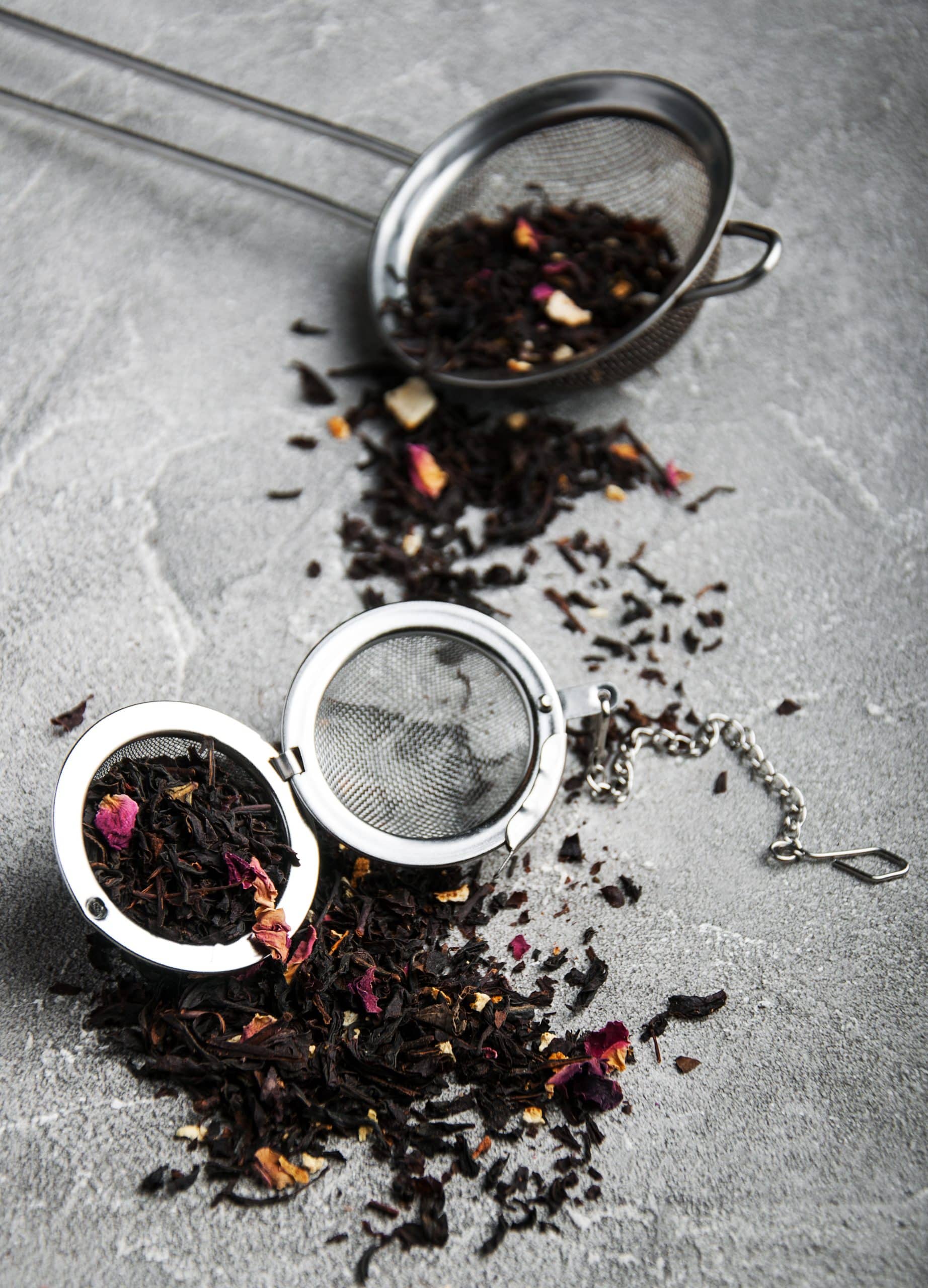
A basic metal infuser often costs under $10. Loose-leaf tea tends to run cheaper per cup than bagged tea, so this one can pay for itself if you drink tea most days.
Some pyramid-style tea bags are made from plastic mesh, and some research suggests they can release particles when steeped in very hot water. An infuser takes that question off the table, though paper tea bags are a perfectly fine middle option.
Fast Math
Upfront: under $10
Lasts: years
The catch: about thirty extra seconds of cleanup
Keep Reading
If this one is your kind of read:
→ 31 Everyday Items Leaking Microplastics in Your Home Right Now
→ How to Tell If Your Cutting Board Is Shedding Plastic (And What to Do About It)
9. A Few Glass Storage Containers
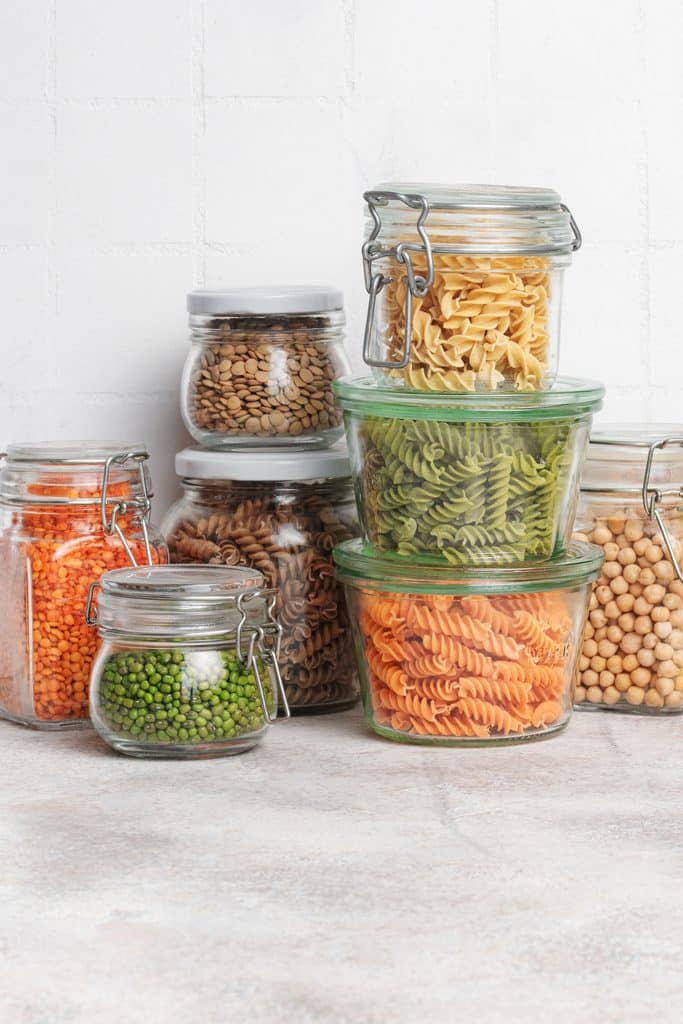
You don’t need to replace the whole cabinet. Three or four glass containers in the $20 to $35 range cover the ones that actually go in the microwave.
Keep using plastic for dry goods and cold storage where heat isn’t involved, and grow the glass collection as plastic pieces wear out. Reheating leftovers in plastic is one of those everyday kitchen habits most people never think twice about.
Even before buying anything, moving leftovers to a plate or ceramic bowl before reheating gets most of the benefit for free.
Fast Math
Upfront: $20 to $35 for a starter set
Lasts: years, until something gets dropped
The catch: heavier than plastic, and glass breaks
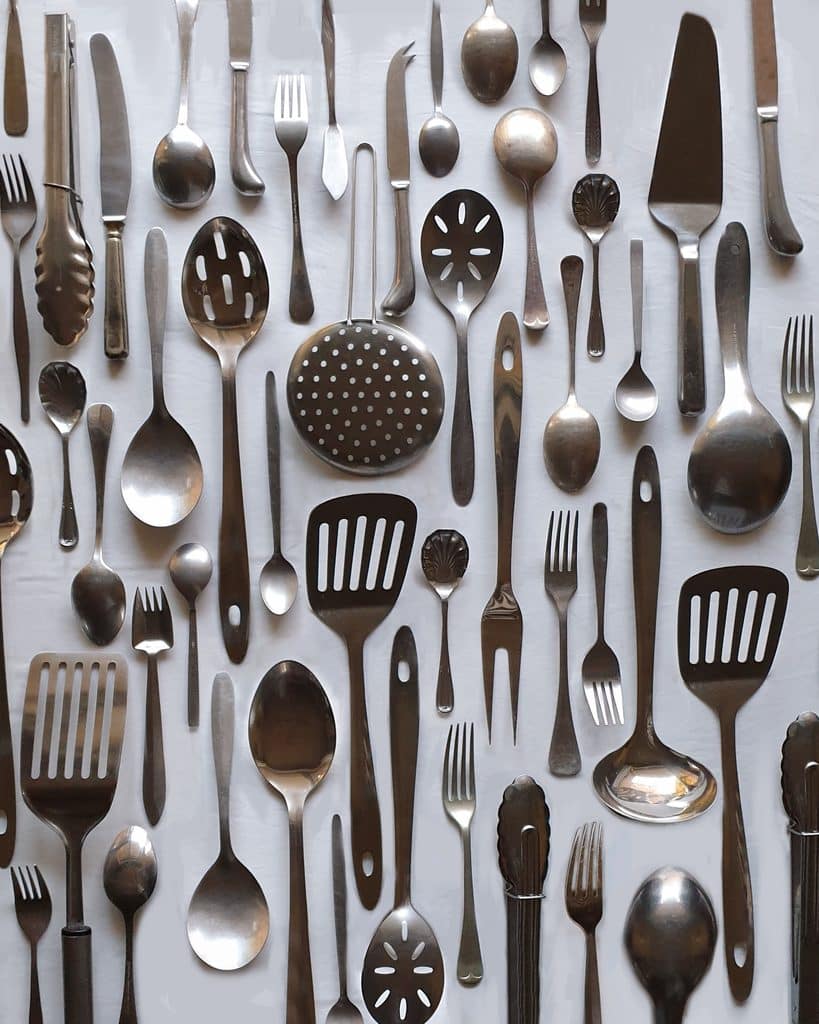
8. Wood or Metal Kitchen Utensils
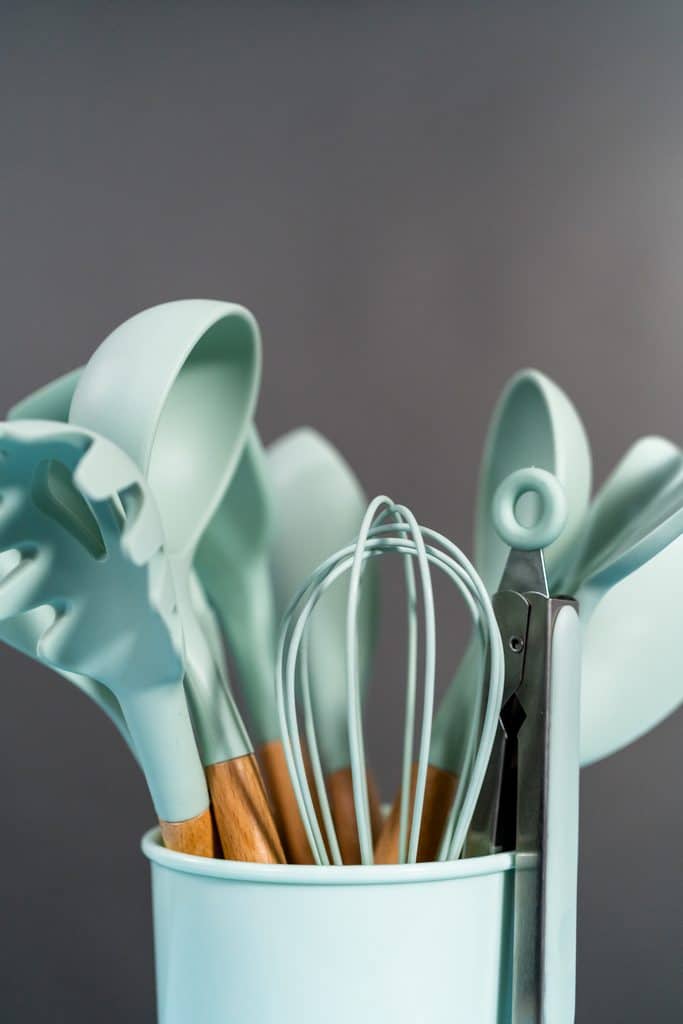
A spatula, spoon, and turner set in wood or stainless typically runs $20 to $35. That’s often less than one fancy plastic set from a specialty kitchen store.
Plastic utensils scrape hot pans every day, and they tend to round off and fray at the edges as they wear. Our list of kitchen tools that shed as they age covers why that matters.
Wood holds its shape well and won’t scratch your pans. A quick hand wash and an occasional rub of mineral oil, same as a cutting board, keeps it going for years.
Fast Math
Upfront: $20 to $35
Lasts: years with basic care
The catch: wood stays out of the dishwasher
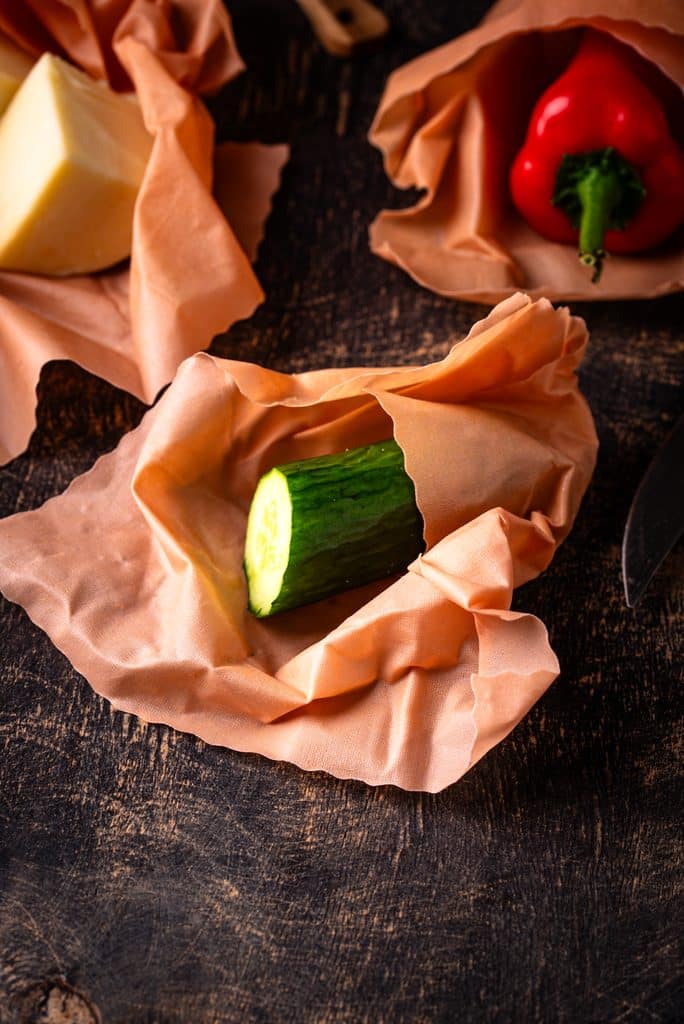
7. Beeswax Food Wraps
A starter set of three or four wraps usually lands around $15 to $25. With basic care, each one lasts roughly a year before it loses its grip.
While You're Here
15 Charcuterie Board Ideas That’ll Steal the Show at Your Next Party
A charcuterie board doesn't have to mean the same fan of salami and a wedge of brie every time. That's a fine...
They’re great for covering bowls, wrapping cheese, and holding half an onion. They’re a poor fit for raw meat, which still belongs in a sealed container.
Expectation check: wraps cover most everyday jobs, but few kitchens drop plastic wrap entirely. Cutting your use in half is a realistic goal.
Fast Math
Upfront: $15 to $25
Lasts: about a year per wrap
The catch: no raw meat, no hot water
Running Total: The first seven upgrades come to roughly $95 to $170 combined. That’s seven swaps for about the price of one nice dinner for two.
From here, prices climb, and so does how often each item meets heat and food.
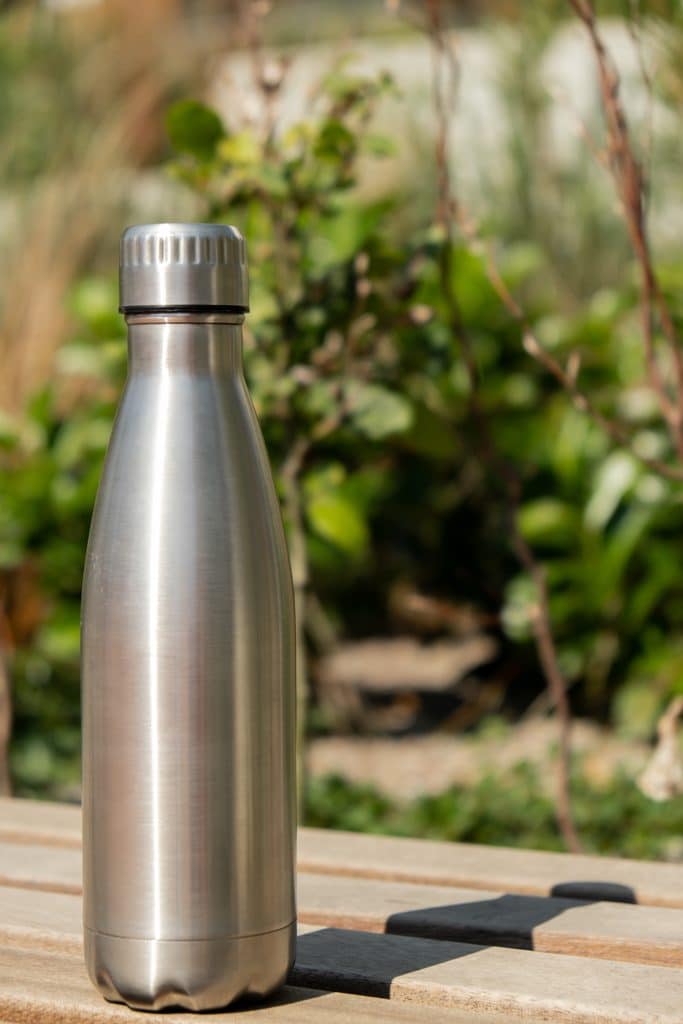
6. A Stainless Steel Water Bottle
Prices run from about $15 for a basic bottle to $40 or more for insulated versions. Even the basic ones outlast plastic bottles by years.
Few items get used more often. A bottle that’s in your hand every day, sometimes holding hot coffee or tea, is one of the better cost-per-use swaps here.
If you already own a stainless or glass bottle you like, skip this one. Most people have three more in a cupboard somewhere.
Fast Math
Upfront: $15 to $40
Lasts: many years
The catch: plenty of lids are still plastic
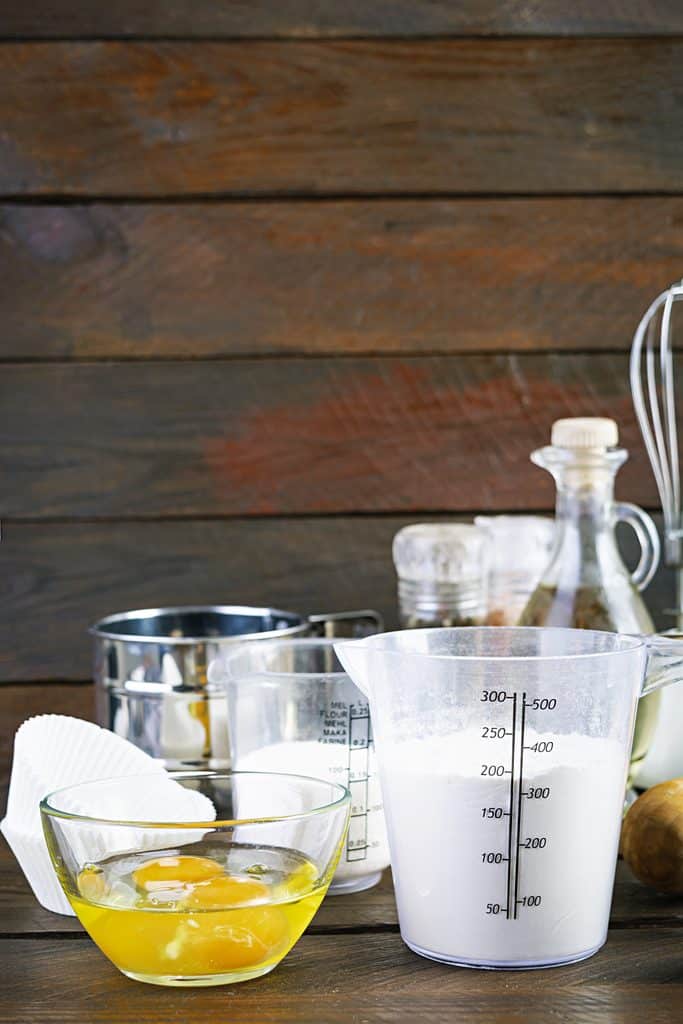
5. Glass and Metal Measuring Cups
Stainless nested cups plus a glass liquid-measuring pitcher typically come to $10 to $25 together. Neither one warps, and the markings don’t rub off the way they do on older plastic sets.

Jonathan grew up in New Jersey until his family moved to Germany, where he spent his youth in old-world butcher shops and French markets and learned that the best meals happen around a shared table. HardwoodChef started with one idea: make the board at the center of those moments.
Unlike plastic, it has nothing to shed into your food. Unlike glass or bamboo, its end grain is easy on your knives. And at nearly two inches thick, it’s sturdy enough to carve on and good-looking enough to serve straight from the board.
“Food brings people together. I wanted to make something worthy of sitting in the middle of it.”
Read Jonathan’s storyThe glass pitcher pulls double duty for melting butter or measuring hot stock, which is where plastic ones tend to cloud and stain. It’s cheap enough to fit almost any budget.
Fast Math
Upfront: $10 to $25
Lasts: decades
The catch: a glass pitcher is heavy and doesn’t love being dropped
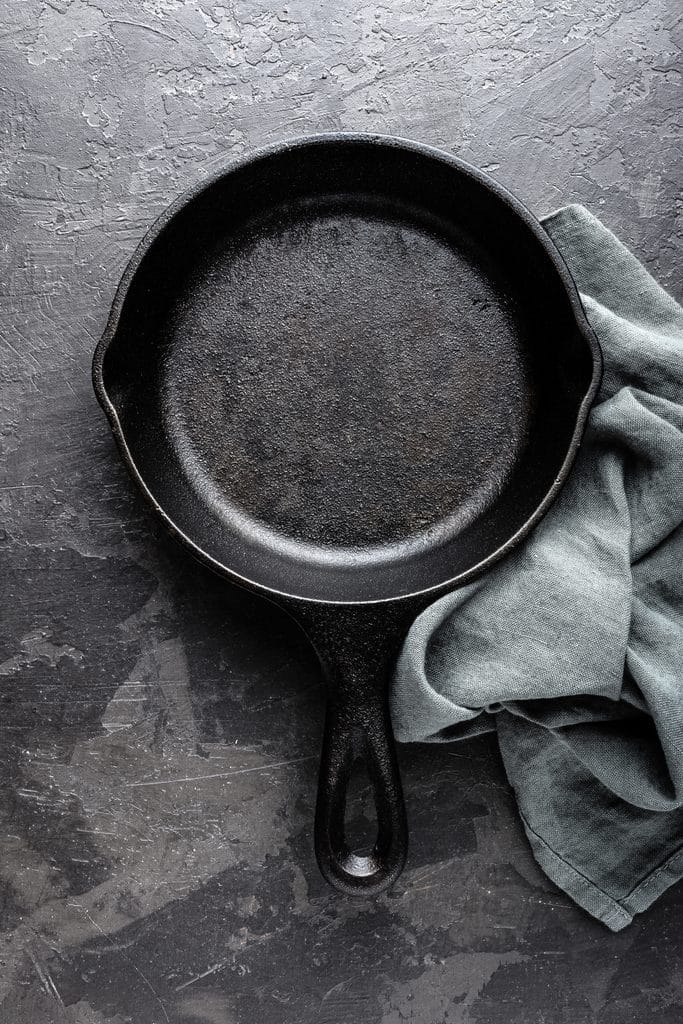
4. A Cast Iron Skillet
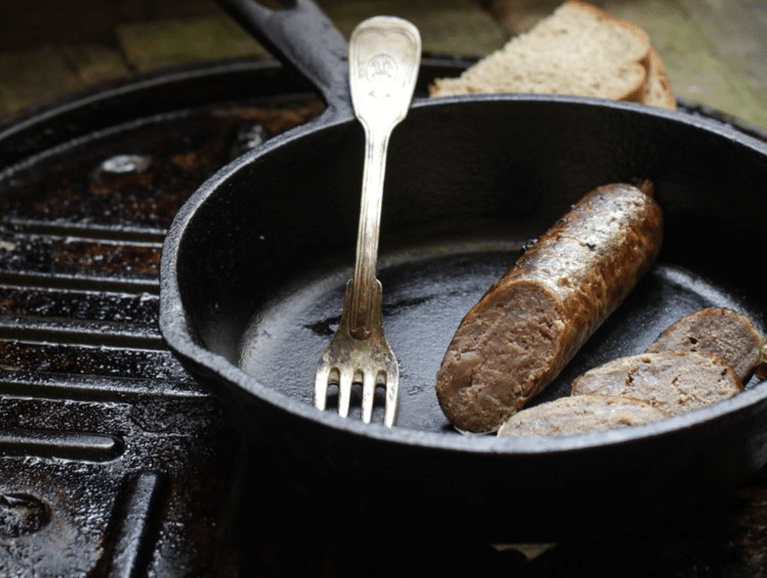
A solid cast iron skillet runs roughly $25 to $50. With basic care it can outlast every other pan in the kitchen, and plenty of them get handed down.
It isn’t a drop-in replacement for nonstick. Seasoning takes a little effort, eggs stick until you learn the heat, and it’s heavy enough to count as a forearm workout.
Still, it’s the cheapest way into cooking without a coated surface. If it doesn’t click for you, a stainless skillet is the other route.
Fast Math
Upfront: $25 to $50
Lasts: generations
The catch: weight and a learning curve
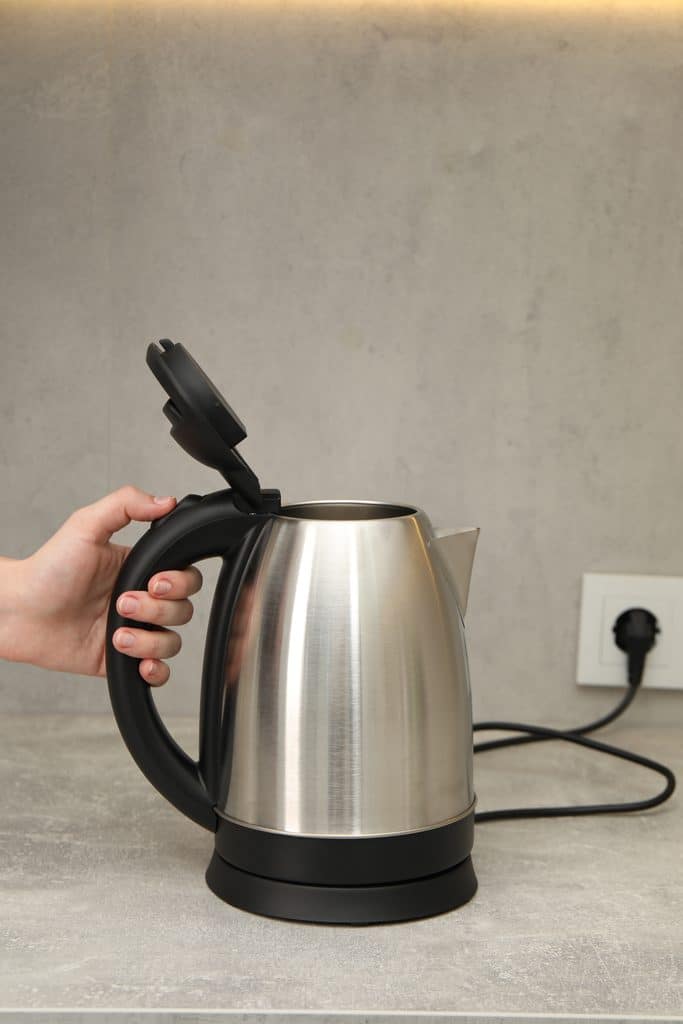
3. An Electric Kettle With a Stainless Interior
Kettles with a stainless interior usually run $35 to $60, compared with roughly $20 to $30 for basic plastic ones. The difference makes sense here, since the water boils directly against whatever the kettle is made of.
Read the details before buying. Plenty of kettles sold as stainless still have a plastic lid, water window, or filter touching the water, so look for models where steel or glass does most of the work.
If tea or coffee is a daily thing, this swap touches your routine more than almost anything else on the list.
Dig Deeper
The Complete Beginner’s Guide to Building a Charcuterie Board
Charcuterie boards look intimidating from the outside, like there's a secret ratio or technique everyone else learned somewhere. There isn't, really. This...
Fast Math
Upfront: $35 to $60
Lasts: several years
The catch: product listings don’t always mention the plastic parts
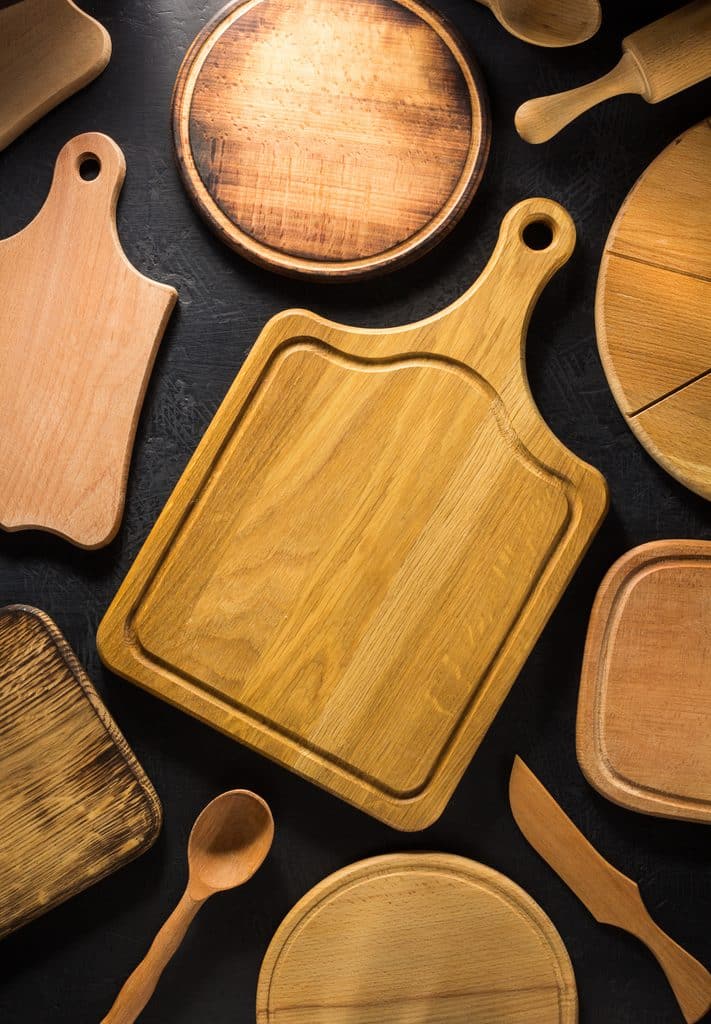
2. A Mid-Size Wood Cutting Board
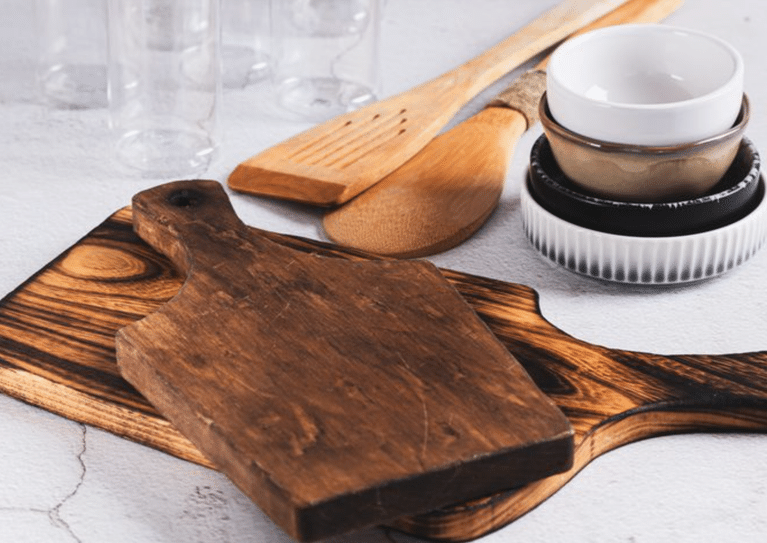
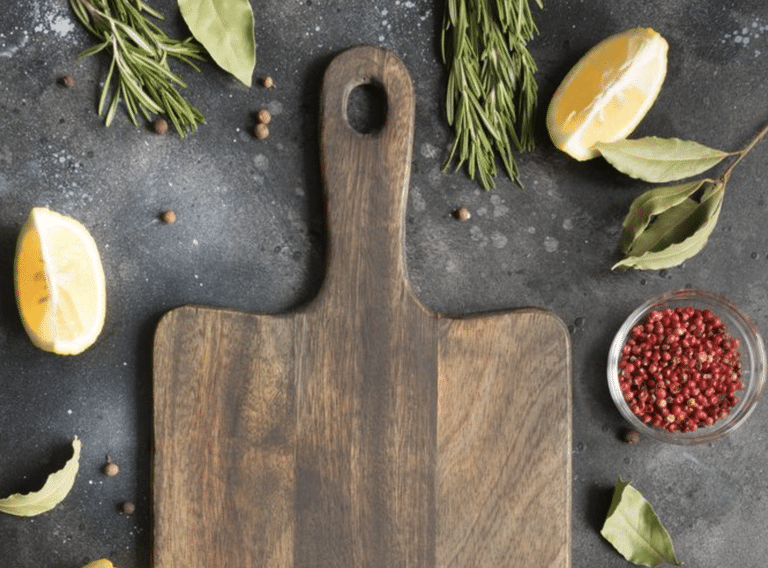
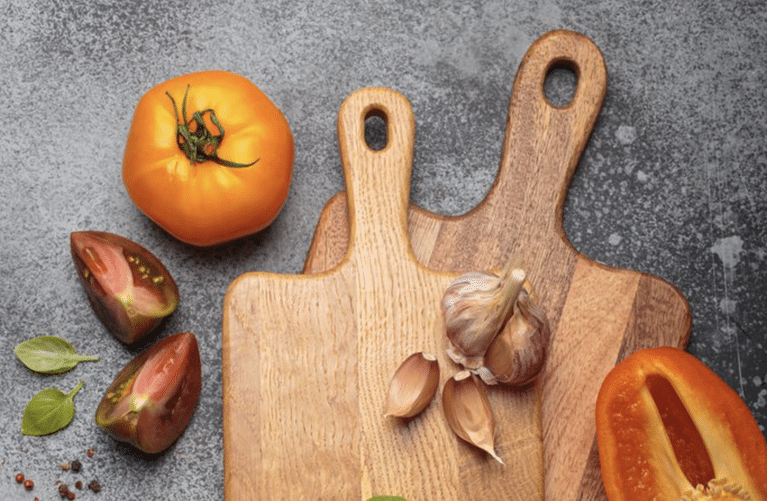
Here’s where costs start climbing. A solid hardwood board typically runs somewhere around $50 to $200 depending on size, wood, and whether it’s end grain, compared with $10 to $20 for basic plastic.
The gap shrinks once you factor in lifespan. Plastic boards often get replaced every year or two once they’re heavily scored, while a well-kept wood board can last decades, so the cost per year lands closer than the price tags suggest.
If you’re going to spend on one board, end grain is the style built for daily knife work. The acacia end-grain boards we make at HardwoodChef are designed for exactly that, and our simple oiling and cleaning routine covers all the upkeep they need.
Fast Math
Upfront: roughly $50 to $200
Lasts: decades with care
The catch: hand wash only, plus oil now and then
1. Replacing Your Nonstick Cookware
This is the priciest item on the list, and there’s no point pretending otherwise. A full stainless or cast iron set can run $150 to $300 or more, depending on quality and how many pieces you’re replacing.
It’s also the one that tends to matter most. Cookware sees daily heat and daily food contact, and heat is the factor that comes up most often in research on plastics and coatings, as our look at what the kitchen microplastics research shows so far explains.
Nonstick coatings are generally considered stable when intact and used at normal temperatures. The concern usually centers on overheating and on scratched, flaking pans, so a worn pan is the first one to retire.
Readers Can't Stop Opening These
★ 10 Toxic Kitchen Habits You Didn’t Know You Had
Nobody needs to do this all at once. Start with the pan you use most, usually a skillet, which runs roughly $30 to $80 for a good stainless one, and let the rest follow as pieces wear out.
Pans in good shape don’t need to go in the trash tomorrow either. Replacing as things wear spreads the cost over a year or two, and one good stainless skillet ends up handling most of the daily cooking anyway.
Fast Math
Upfront: $30 to $80 for one skillet, $150 to $300 or more for a set
Lasts: decades
The catch: stainless takes some practice before eggs stop sticking
What It All Adds Up To
Add up all 13 and you land somewhere around $380 to $850, including a full cookware set. Swap the set for one good skillet and the range drops to roughly $260 to $630, spread over however long you want to take.
How these numbers work: Every figure here is a rough US retail range as of 2026, based on typical prices for basic to mid-range versions. Brands, sales, and what you already own will move your total a lot.
If you only do a few: get a handful of glass containers for anything you microwave, retire your most-scratched cutting board, and replace the nonstick pan you reach for most. Those three cover the heaviest heat and wear in most kitchens.
For the priority logic behind this list, our guide to which plastic-free swaps to make first sorts everything by heat, wear, and food contact. Shopping for a board? Our guide to board sizes and wood types and our wood, plastic, and bamboo comparison cover the details.