The Complete Guide to Microplastics in the Kitchen: What the Research Actually Shows

Microplastics show up in plenty of headlines and not much context. This guide is the context.
It isn’t here to tell you the sky is falling, and it isn’t here to wave the whole thing off either. What follows is what the research shows so far, what it doesn’t, and where the real gaps still are.
One framing note up front: this is a summary of the general direction of published research, not medical advice. Anyone with specific health concerns is better served by a doctor than a kitchen website.
What Microplastics Are
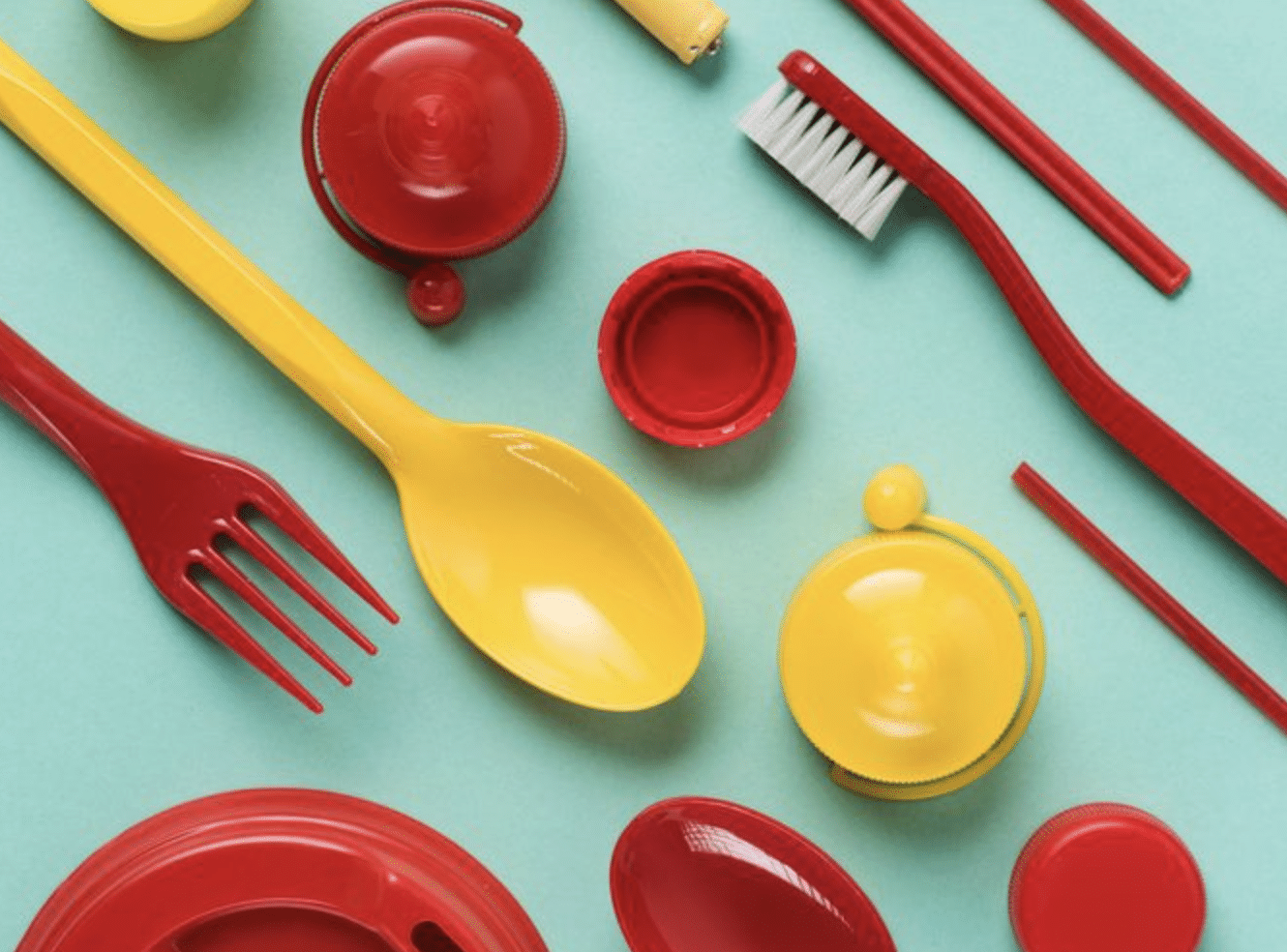
The usual definition is plastic particles smaller than 5 millimeters. Particles below roughly one micrometer are often called nanoplastics, and they’re much harder to detect and measure.
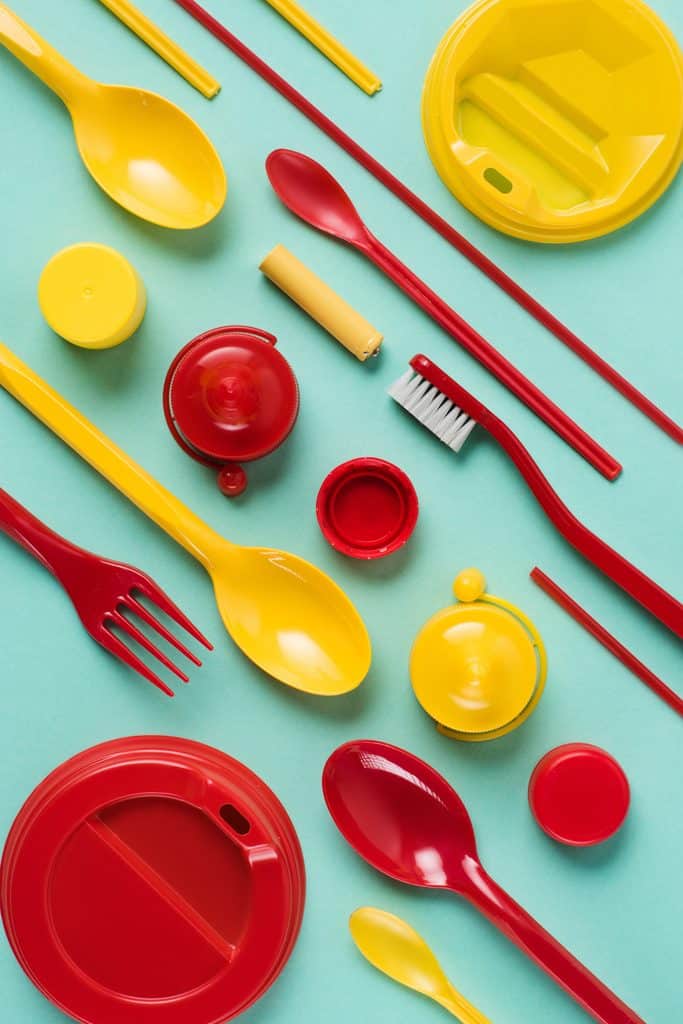
Some are made small on purpose, like the microbeads once common in cosmetics. Most of what ends up in food, though, comes from larger plastic items breaking down over time.
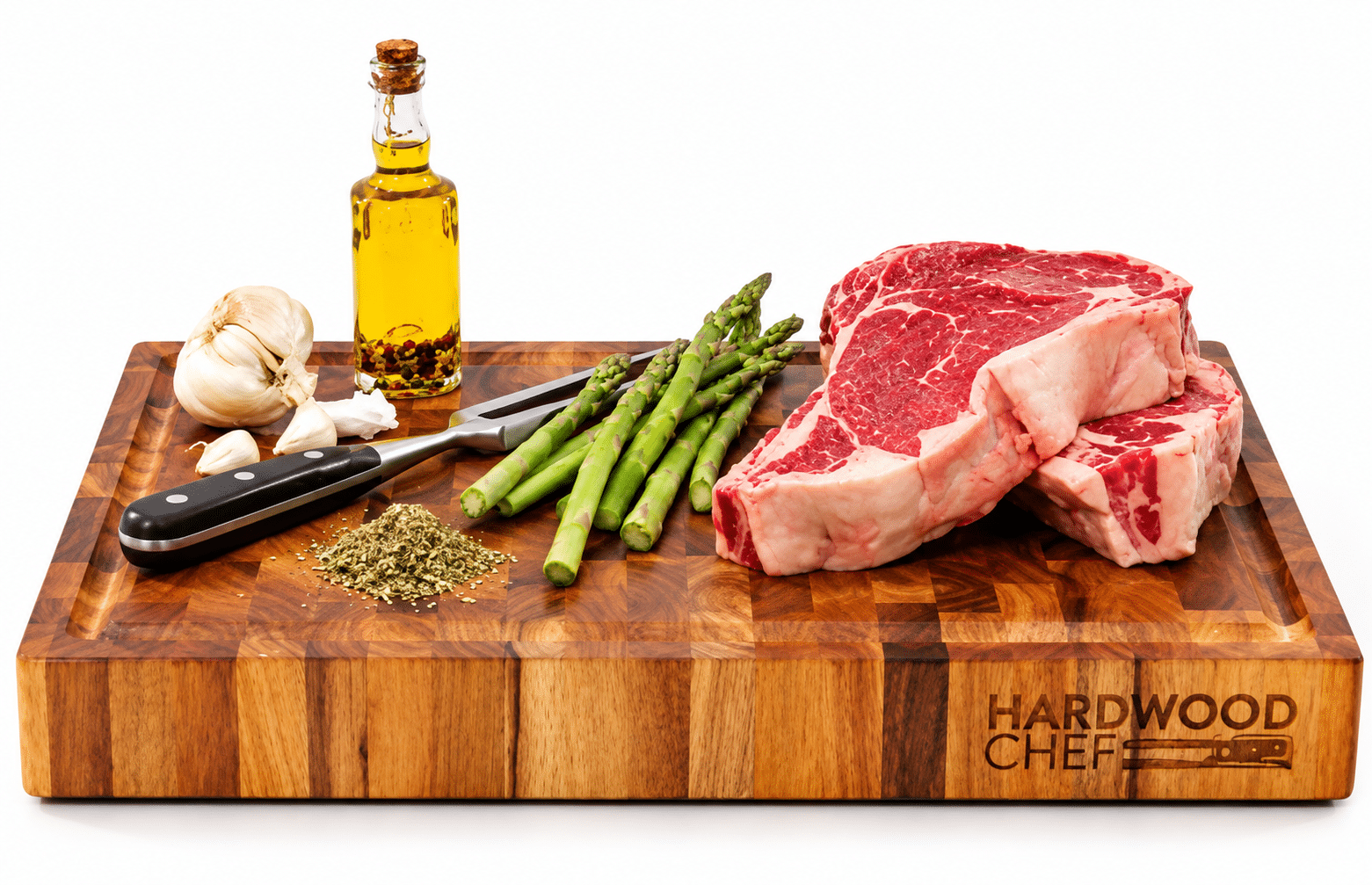
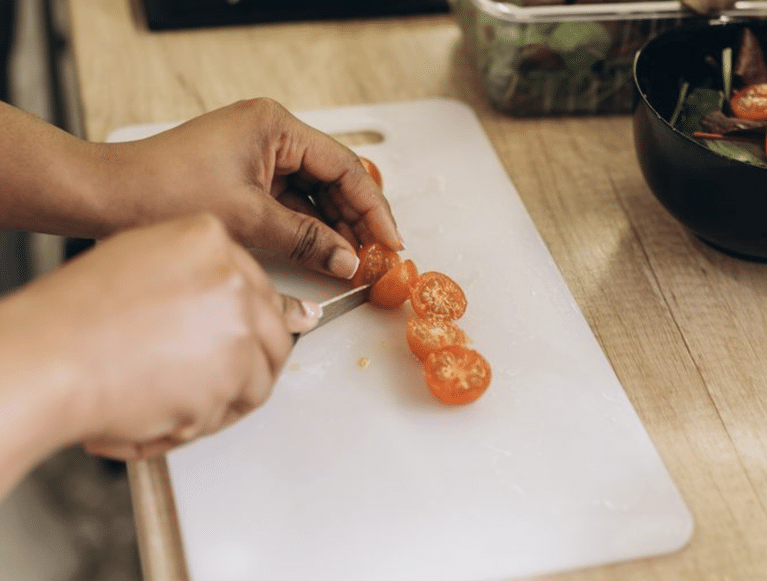
Researchers estimate plastic cutting boards can shed tens of millions of microplastic particles into food each year, and the knife grooves they build up are hard to fully clean. Our thick end grain acacia board has no plastic to shed, is gentle on your knives, and doubles as a serving board. See why it's worth switching.
See the board, now $119Regularly $179 · Arrives gift-wrapped in butcher paperIn a kitchen, that breakdown is mostly physical: knives scoring boards, utensils scraping containers, lids flexing, and heat softening plastic surfaces. Outdoors, sunlight also breaks plastic down chemically, which is part of why particles turn up in soil, water, and the food grown or caught there.
What the Research Shows
Researchers have found microplastics in a wide range of foods and drinks, including bottled and tap water, salt, seafood, honey, and some produce. That part is well established across many independent studies.
Studies looking at cutting boards have found that plastic boards release particles during normal chopping, and that worn, heavily scored boards tend to release more. Exact amounts vary widely from study to study, but the more-wear, more-shedding pattern shows up consistently.
Heat comes up again and again. Studies on plastic containers, bottles, and tea bags have generally found that hot liquids and microwaving increase particle release compared with cold use.
Microplastics have also been detected in human blood, lung tissue, placenta, and other parts of the body in a growing number of studies. The detection itself is well documented at this point.
A note on numbers: particle counts in these studies vary enormously depending on how researchers measured, the smallest particle size they could detect, and the conditions they tested. Treat any specific figure you see cited, here or elsewhere, as a rough indication rather than a precise measurement.
What’s Still Uncertain
This is the part that gets skipped in a lot of coverage. Finding something in the body isn’t the same as understanding what it does there.
Keep Reading
If this one is your kind of read:
→ Plastic-Free Kitchen Swaps: What to Replace First
→ Wood vs. Plastic vs. Bamboo: A Complete Material Safety Comparison
Far less settled is what happens to particles once they’re inside the body, at what exposure levels effects might begin, and how much of any effect comes from the particles themselves versus the chemicals that travel with them.
Some lab and animal research suggests possible links to inflammation and cellular stress. Human evidence at typical dietary exposure levels is much thinner, and the long-term studies that could settle the question are still years away by most accounts.
Major international health agencies have generally concluded that current evidence isn’t strong enough to set a safe intake level, and they’ve called for more and better research. Anyone presenting the health effects as settled, in either direction, is getting ahead of the science.
Particles vs. the Chemicals in Plastic
Two related concerns often get blended together. One is the particles themselves, and the other is chemical additives used in some plastics, such as certain plasticizers and bisphenols, which can migrate into food, especially with heat or fatty foods.
These are studied separately, and they don’t always move together. A plastic labeled free of one additive can still shed particles, and a container that sheds very little can still raise chemical questions, which is part of why heat and wear come up as practical factors for both.
The Evidence at a Glance
Here’s how the main questions stack up, based on the general direction of published research.
While You're Here
The Complete Beginner’s Guide to Building a Charcuterie Board
Charcuterie boards look intimidating from the outside, like there's a secret ratio or technique everyone else learned somewhere. There isn't, really. This...
| Question | What the research generally shows | How settled |
|---|---|---|
| Are microplastics in food and drinks? | Yes, across many food types and in drinking water | Well established |
| Do plastic cutting boards shed? | Yes, chopping releases fragments, and more wear tends to mean more shedding | Consistent pattern, amounts vary |
| Does heat increase release from plastic? | Generally yes, in studies of containers, bottles, and tea bags | Fairly consistent |
| Are microplastics found in the human body? | Yes, in blood, lungs, placenta, and other tissues | Well documented |
| Do they harm health at everyday levels? | Lab and animal studies suggest possible effects like inflammation, while human evidence is limited | Unsettled |
| Is there an established safe intake level? | No, and health agencies describe the data as insufficient | Not established |
How this table was put together: it summarizes the overall direction of research published through 2026 rather than any single study. The confidence labels are editorial judgments about how consistent the findings have been, not formal scientific ratings.
Where Kitchen Exposure Mostly Comes From
Of the routes researchers have looked at, a few come up repeatedly as meaningful contributors.
Heat is the most consistent factor. Microwaving in plastic, pouring hot liquid into plastic, and steeping plastic mesh tea bags all tend to increase release compared with cold use.
Wear is the second. A heavily scratched cutting board, a scraped spatula, or a container lid snapped on and off for years tends to release more than a newer one, since a damaged surface has more loose material to give up.
Contact time, fat, and acid seem to play a role too. Oily or acidic food stored in plastic for days is a different situation from a dry apple in a produce bag.
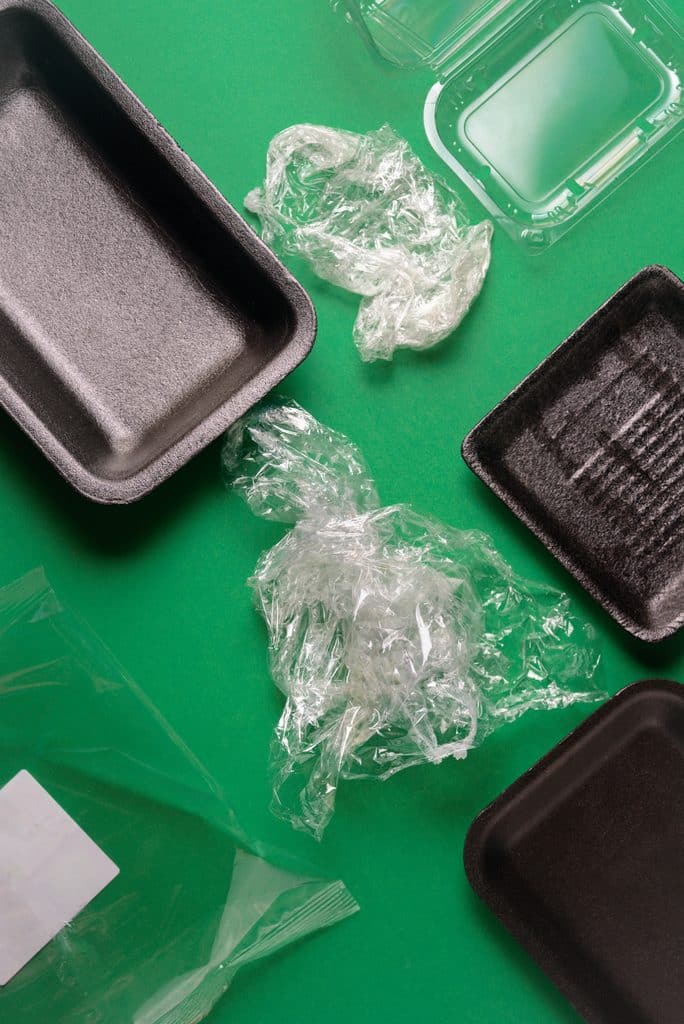
Packaging is the route that’s largely out of your hands, since it happens before food reaches your kitchen. Even a kitchen with no plastic tools at all will see some dietary exposure, and our roundup of everyday household items most likely to contribute covers the parts you can control.

Jonathan grew up in New Jersey until his family moved to Germany, where he spent his youth in old-world butcher shops and French markets and learned that the best meals happen around a shared table. HardwoodChef started with one idea: make the board at the center of those moments.
Unlike plastic, it has nothing to shed into your food. Unlike glass or bamboo, its end grain is easy on your knives. And at nearly two inches thick, it’s sturdy enough to carve on and good-looking enough to serve straight from the board.
“Food brings people together. I wanted to make something worthy of sitting in the middle of it.”
Read Jonathan’s story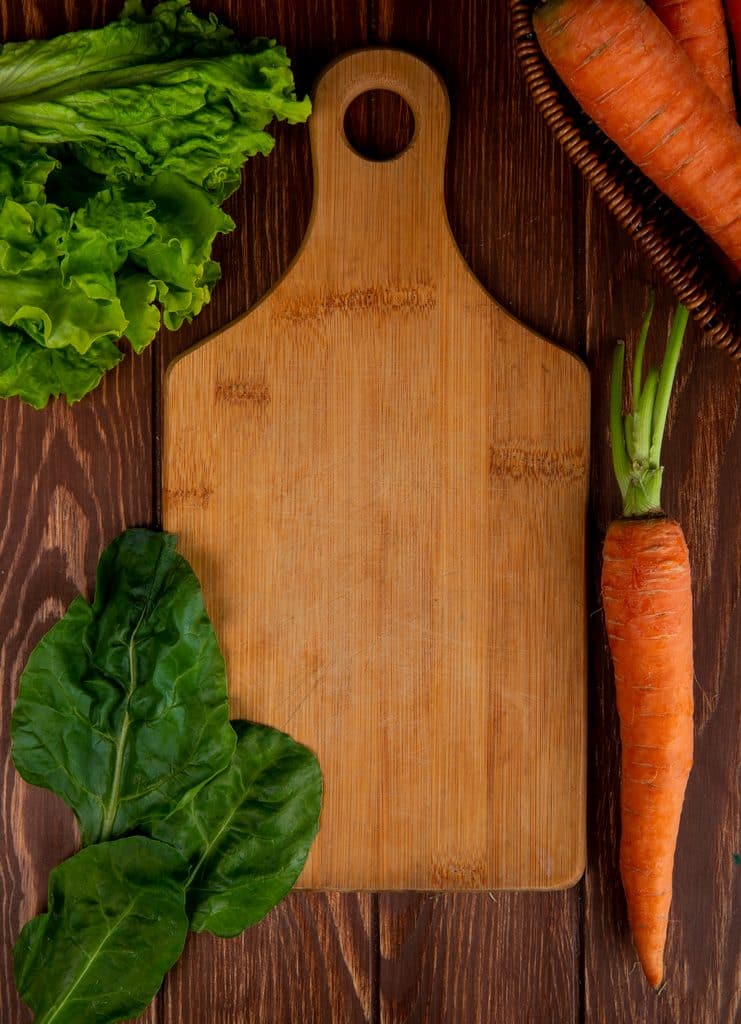
How Wood and Plastic Compare
The wood itself isn’t plastic, so it doesn’t shed plastic particles the way a plastic board does. Multi-piece wood boards are glued at the joints, but the cutting surface is wood fiber.
Wood carries its own tradeoffs, mostly around care. Research comparing bacteria on wood and plastic boards has produced mixed results over the years, and the common thread is that a well-maintained board of either material tends to do better than a neglected one.
A cracked, never-oiled wood board and a deeply grooved plastic one both give moisture and residue places to hide. The comparison is less one-sided than a lot of pro-wood content suggests, and it depends heavily on how each board is cared for.
If you’re weighing this for your own kitchen, our full material comparison covers durability and care burden alongside safety. And if you want to check how badly your current plastic board is wearing, here’s a five-minute way to check.
From the HardwoodChef Shop: Our acacia end-grain boards are made for daily knife work with a simple routine of hand washing, drying on edge, and oiling about once a month. If you’re replacing a worn plastic board, that routine is the main tradeoff to plan for.
How to Read a Microplastics Headline
Coverage of this topic swings between alarming and dismissive, often based on the same handful of studies. A few questions help sort it out.
Dig Deeper
How to Tell If Your Cutting Board Is Shedding Plastic (And What to Do About It)
Plastic cutting boards don't come with a warning light. There's no single moment where one flips from fine to worn out. It...
Is it about detection or harm? Many headlines report that particles were found somewhere new. That’s useful information, but on its own it says nothing about effects.
Was it people, animals, or cells in a dish? Lab and animal studies often use doses far higher than everyday exposure. They’re important for raising questions, but they don’t translate directly to a person eating dinner.
Is it one study or many? A single striking result is a starting point. Findings that hold up across several independent groups using different methods carry more weight.
Does it show cause or just a link? An association between particles and a health outcome doesn’t establish that one caused the other. Separating those takes more work, which is part of why the human picture is still unsettled.
A Reasonable Way to Think About It
Given what’s known and what isn’t, a middle-ground approach tends to make more sense than either extreme.
Readers Can't Stop Opening These
★ 31 Everyday Items Leaking Microplastics in Your Home Right Now
Cutting back on unnecessary plastic contact, especially heat and heavily worn items, is a low-cost, low-downside move however the science eventually settles. Treating it as a crisis that calls for replacing every plastic item this weekend isn’t supported by where the evidence stands.
For a practical starting point, our guide to which plastic-free swaps to make first sorts the common changes by heat, wear, and contact. And our beginner’s guide to a non-toxic kitchen lays out the same reasoning room by room.
Worth Knowing: if a scratched-up plastic board is on your list, a solid wood board is one of the longer-lasting replacements, as long as it gets an occasional oiling. Our guide to choosing one covers what matters when picking a first board.
The Bottom Line
Microplastics in the kitchen are real, measurable, and worth some attention. Based on current evidence, they aren’t a reason for alarm about any single meal or tool.
The most defensible approach is a gradual one. Start with the things that see the most heat and wear, like cutting boards, containers you microwave, and tools you use daily, and let the rest happen at a pace that fits your budget.