10 Toxic Kitchen Habits You Didn’t Know You Had

You could replace every plastic item in your kitchen and still be doing half the things on this list. That’s the part most non-toxic kitchen content skips.
Much of it comes down to how you use what you already have. The small, automatic moves you make a dozen times a week add up.
Habits are free to change, which is the good news. Most of these take seconds to fix once you notice them.
One expectation-setter: research on plastics and food is still early, so treat these as reasonable precautions rather than emergencies. A couple of them also matter less than you’d think, and we’ll say so.
10 habits, counting down to the one almost everyone does without a second thought. For the product side first, our roundup of 31 everyday items worth a closer look covers what’s in the cabinets.
10. Letting Food Sit in the Pan After Cooking
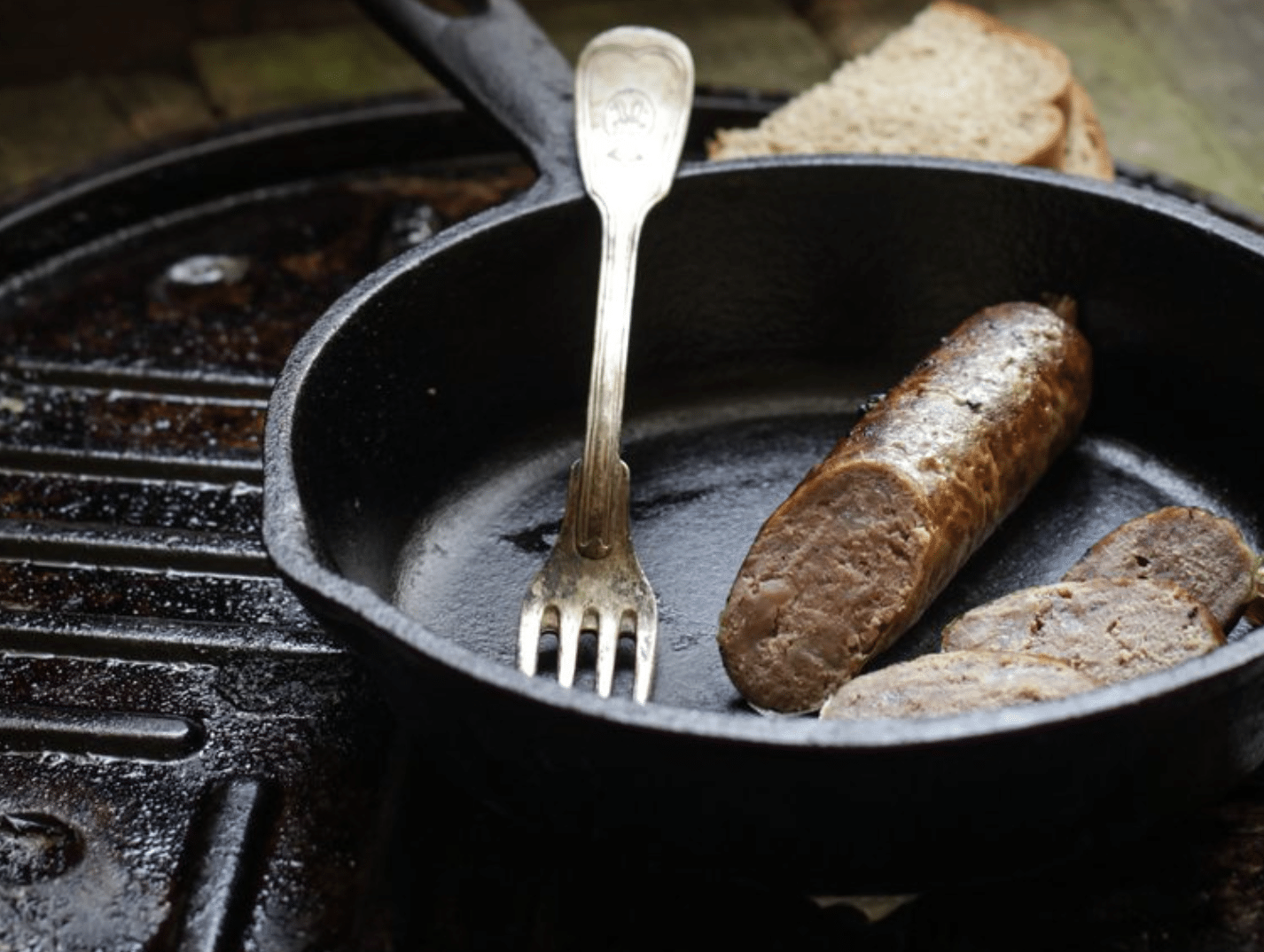
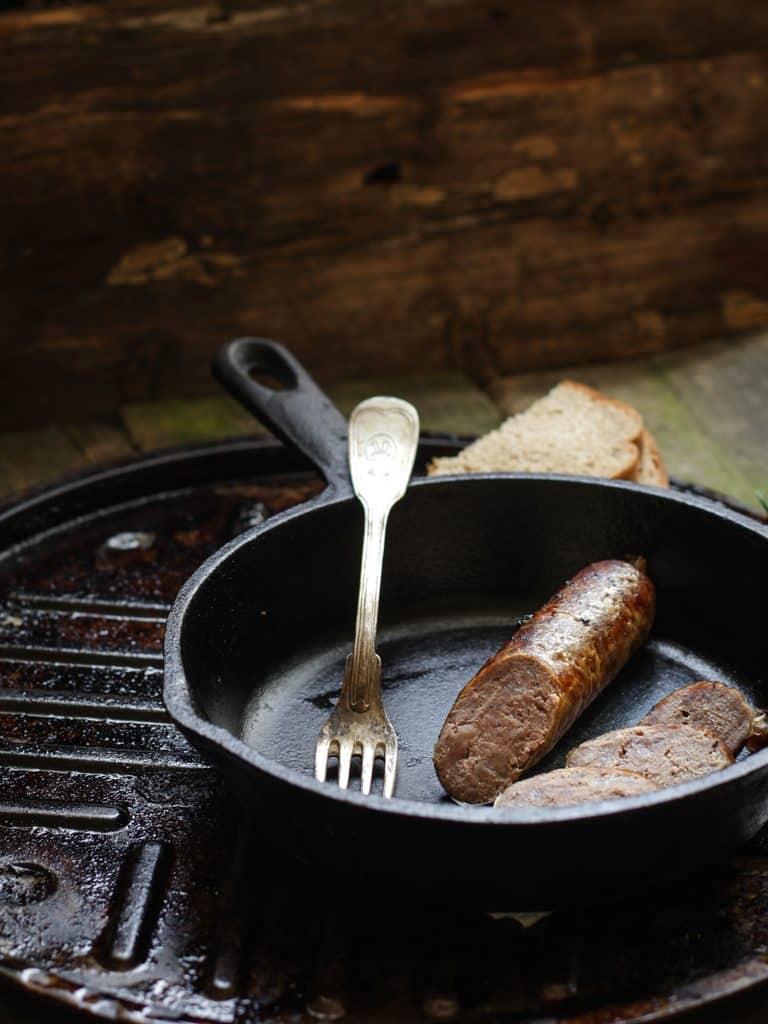
Dinner’s done, the pan becomes the serving dish, and leftovers sit on the stovetop until someone gets around to them. Familiar scene.
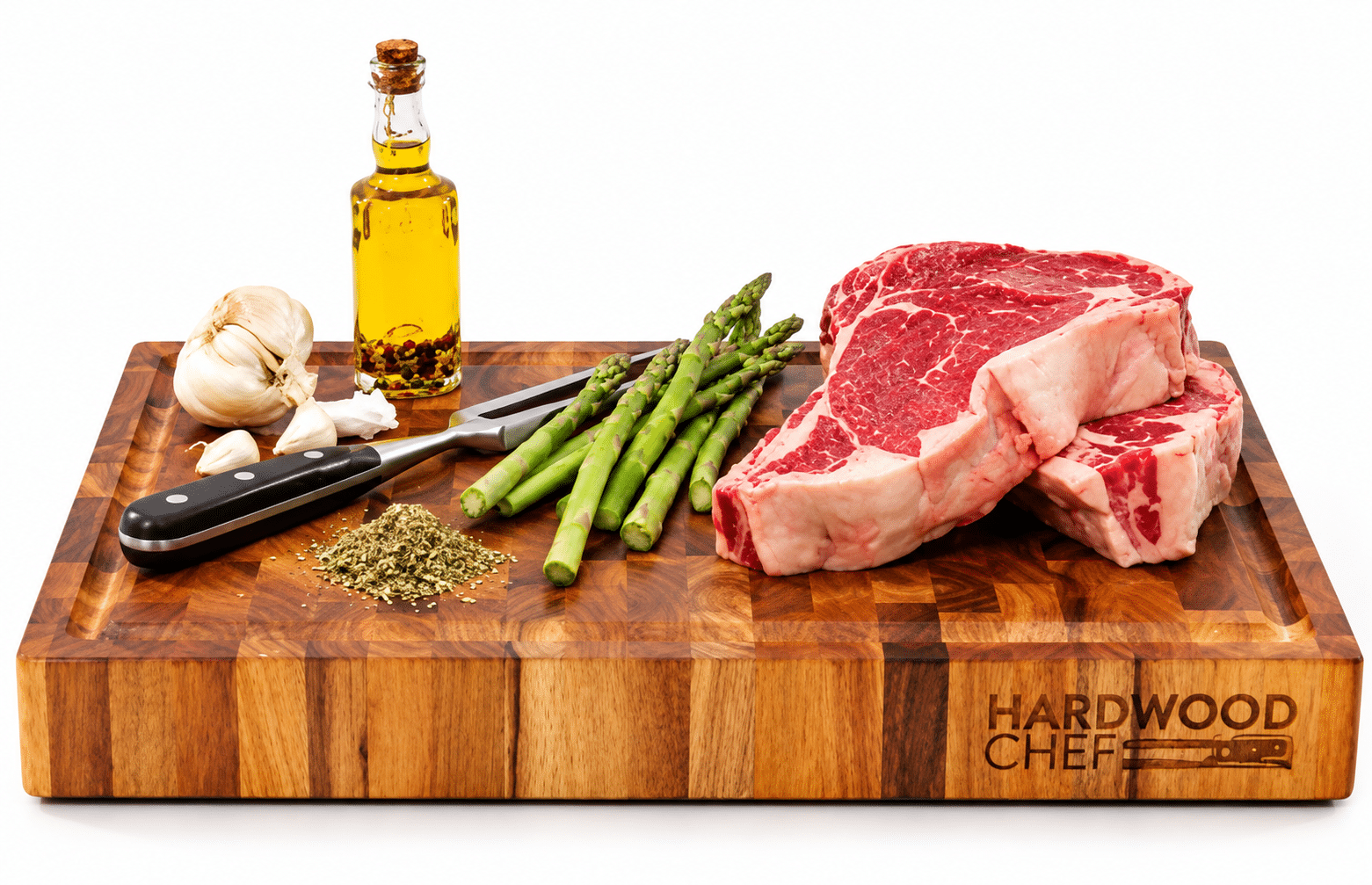
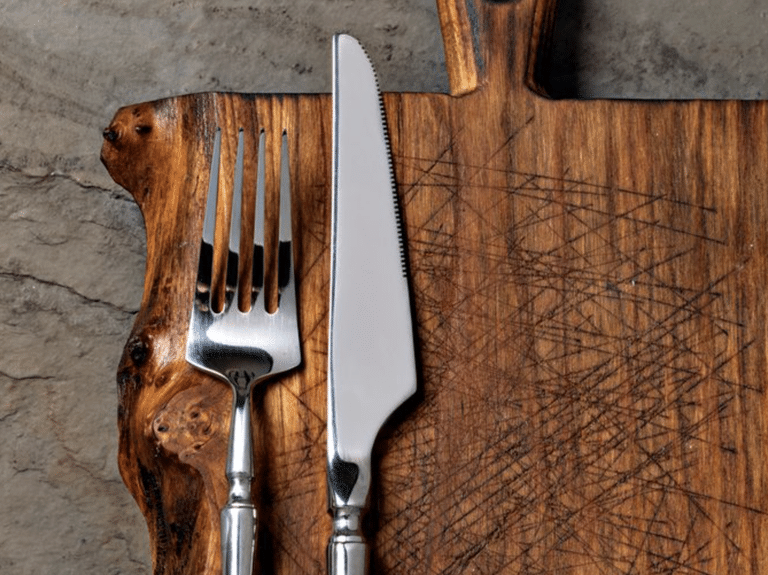
Researchers estimate plastic cutting boards can shed tens of millions of microplastic particles into food each year, and the knife grooves they build up are hard to fully clean. Our thick end grain acacia board has no plastic to shed, is gentle on your knives, and doubles as a serving board. See why it's worth switching.
See the board, now $119Regularly $179 · Arrives gift-wrapped in butcher paperIf the pan is stainless or cast iron in good shape, the exposure angle here is minor. With a scratched nonstick pan, it’s extra contact time with a surface that’s already wearing, and acidic food like tomato sauce left in cast iron can pick up a metallic taste.
The bigger reason to move food is food safety. General guidance is to get leftovers into the fridge within about two hours, and a pan left on the stove makes that easy to forget.
The fix: move food to a dish or container once it’s off the heat, especially out of worn nonstick.
9. Running Everything Through the Dishwasher on Hot
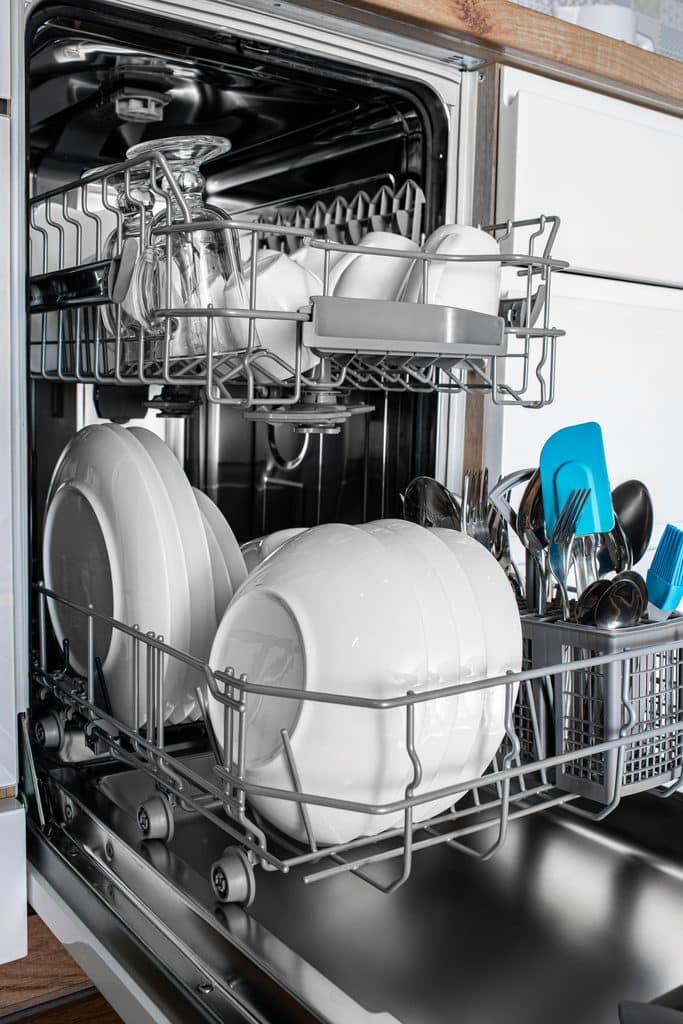
Convenient, sure. High heat, water pressure, and strong detergent are hard on plastics, though, and they tend to wear down nonstick coatings faster too.
In many machines, the bottom rack sits closest to the heating element, which is why so many plastic containers come out warped. Cloudy, rough, or bent plastic is plastic that’s breaking down.
Hand washing plastic and coated items, and saving the dishwasher for metal, glass, and ceramic, keeps the fastest-wearing pieces going longer.
The fix: if plastic goes in at all, top rack only, and skip the heated dry.
8. Storing Oil and Vinegar Right Next to the Stove
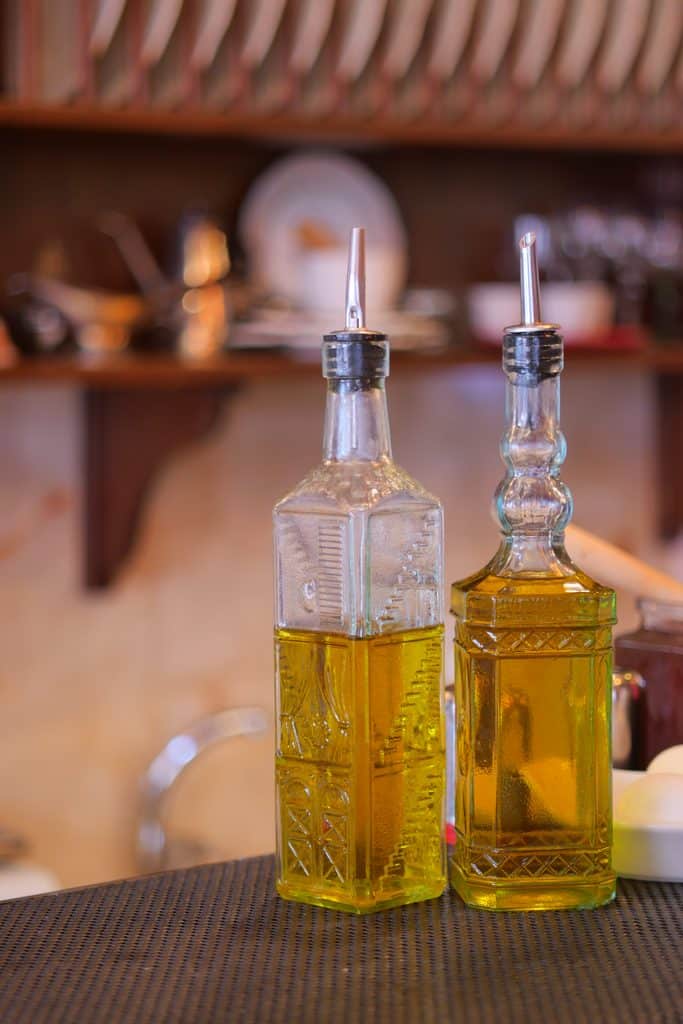
It looks nice and keeps everything within reach. Heat and light also speed up how fast oils go rancid, and a bottle parked beside the burners gets plenty of both.
If those bottles are plastic, warm storage adds the heat-plus-plastic combination that shows up throughout this list. Glass bottles in a cabinet a few feet away avoid both problems.
Keep Reading
If this one is your kind of read:
→ The Beginner’s Guide to a Non-Toxic Kitchen, Room by Room
→ 11 Kitchen Tools Quietly Shedding Microplastics Into Your Meals
Keep a small glass cruet by the stove for daily cooking and the main bottle in the pantry. Nothing about your routine changes.
The fix: glass bottles, a cool cabinet, and a small refillable cruet for the stovetop.
7. Reheating Coffee or Tea in a Plastic Travel Mug
Microwaving a plastic travel mug to rewarm this morning’s coffee is common. It also puts heat, plastic, and liquid together in one move, the combination research on plastic release keeps coming back to.
Plenty of travel mugs aren’t meant for the microwave at all, so check the bottom. Either way, pouring into a ceramic mug for the reheat and back again adds about thirty seconds.
Stainless or ceramic-lined travel mugs cut down on plastic contact overall, though most lids are still plastic.
The fix: reheat in ceramic, then pour it back.
6. Using Metal Utensils on Nonstick Pans
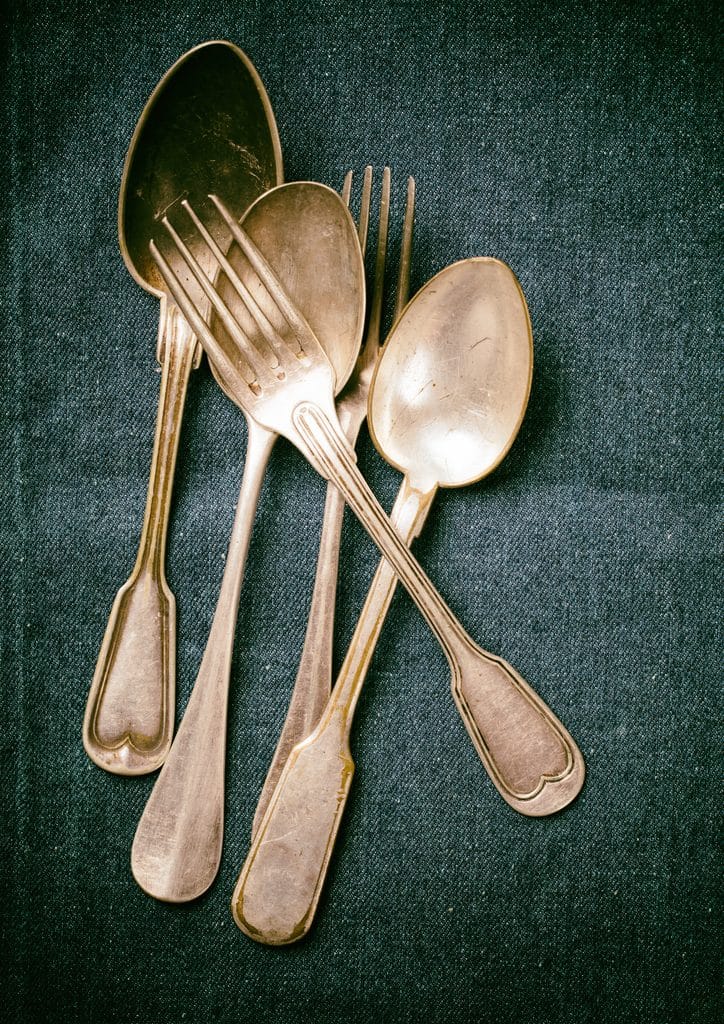
A quick scrape with a fork to break up ground beef feels harmless. Each one can leave a fine scratch, and those add up long before the coating looks obviously damaged.
Scratched coatings tend to wear and flake faster, which shortens the pan’s life and puts more of the coating in contact with food. A dedicated set of wood utensils for nonstick takes care of it.
While You're Here
17 Super Easy Fun Halloween Treats Kids and Adults Will Actually Eat
Halloween treats don't need to eat up your whole afternoon. The ones that vanish first at most parties took ten minutes and...
Plastic spatulas aren’t a great substitute, since they wear down against hot pans too. Our rundown of tools that shed as they age explains why.
The fix: wood tools for nonstick, metal for everything else.
Pro Tip: For a quick habit audit, watch where heat goes for one day. Every time something hot meets plastic, whether it’s a container, a lid, a utensil, or a cup, you’ve found a candidate for a new habit or a swap.
5. Cutting Directly on the Counter “Just This Once”
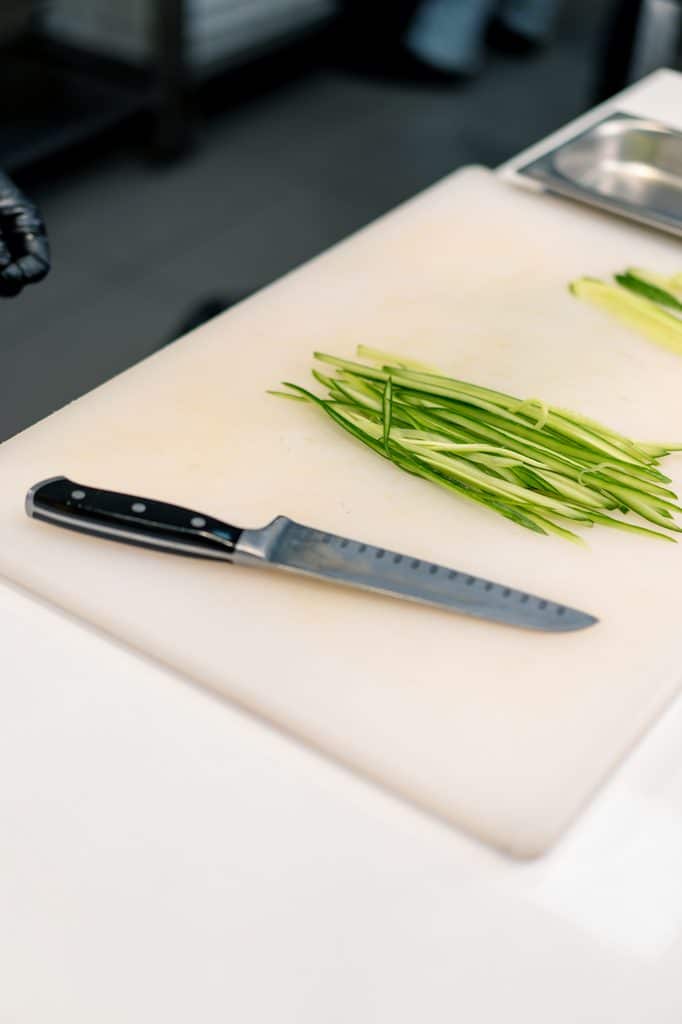
Skipping the board for one lime seems minor. The real issue is what was on the counter before the lime got there.
Most counters get wiped with all-purpose sprays, and many of those cleaners call for a rinse before the surface touches food. Cutting straight onto it skips that step, and knife scratches in laminate or wood counters give residue and crumbs a place to settle.
It’s rough on your knife too, especially on stone or quartz. A small board that lives on the counter makes the shortcut unnecessary, and our checklist of signs a board needs attention helps make sure that board is in good shape.
The fix: keep a small board out for quick jobs.
4. Storing Acidic Leftovers in Plastic
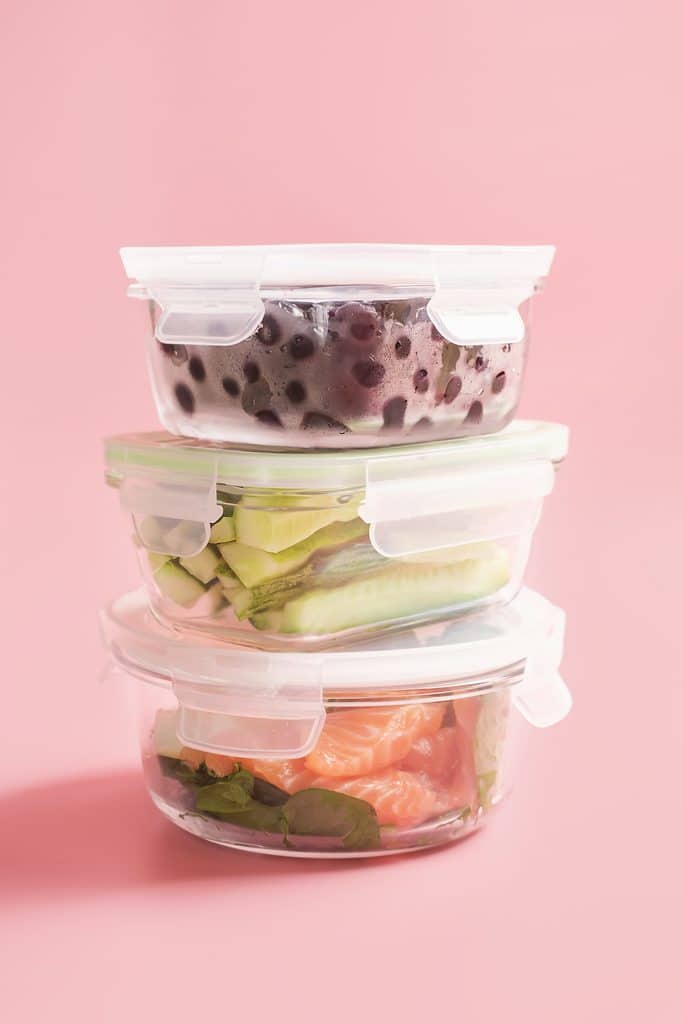
Tomato sauce, citrus, vinaigrettes, anything pickled. Some research suggests acidic and fatty foods may draw more out of plastic than neutral ones, especially over days of storage.

Jonathan grew up in New Jersey until his family moved to Germany, where he spent his youth in old-world butcher shops and French markets and learned that the best meals happen around a shared table. HardwoodChef started with one idea: make the board at the center of those moments.
Unlike plastic, it has nothing to shed into your food. Unlike glass or bamboo, its end grain is easy on your knives. And at nearly two inches thick, it’s sturdy enough to carve on and good-looking enough to serve straight from the board.
“Food brings people together. I wanted to make something worthy of sitting in the middle of it.”
Read Jonathan’s storyThe orange stain tomato sauce leaves behind is a visible reminder of how readily some food compounds move into plastic. If color moves in that easily, it’s fair to wonder what moves the other way.
Glass for anything acidic or oily and plastic for dry or neutral foods is a sensible dividing line if replacing everything at once isn’t in the budget. A few glass containers cost less than most people expect, as our rundown of low-cost non-toxic upgrades shows.
The fix: glass for acidic and fatty leftovers, plastic only for the dry stuff.
3. Hanging Onto a Deeply Scored Plastic Cutting Board
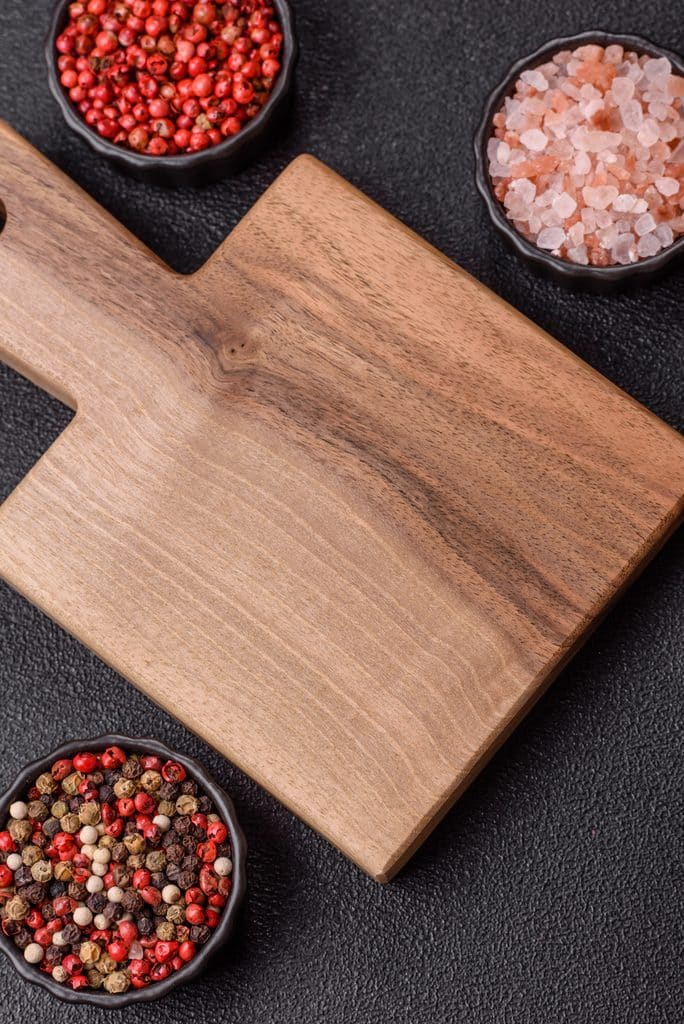
Plastic boards get sold as the easy-clean choice, and a new one does clean up well. A few years in, though, the surface is a mesh of knife grooves.
Research on plastic cutting boards has generally found that knife scoring releases small fragments, with amounts varying by board, knife, and technique. Deep grooves also hold moisture and food bits a sponge can’t reach.
Our guide to telling whether a board is shedding plastic walks through what to check. If yours is past its prime, a hardwood board is the usual replacement, and the acacia end-grain boards we make at HardwoodChef are built to handle daily knife work for years with occasional oiling.
The fix: retire a plastic board once its grooves catch a fingernail.
Dig Deeper
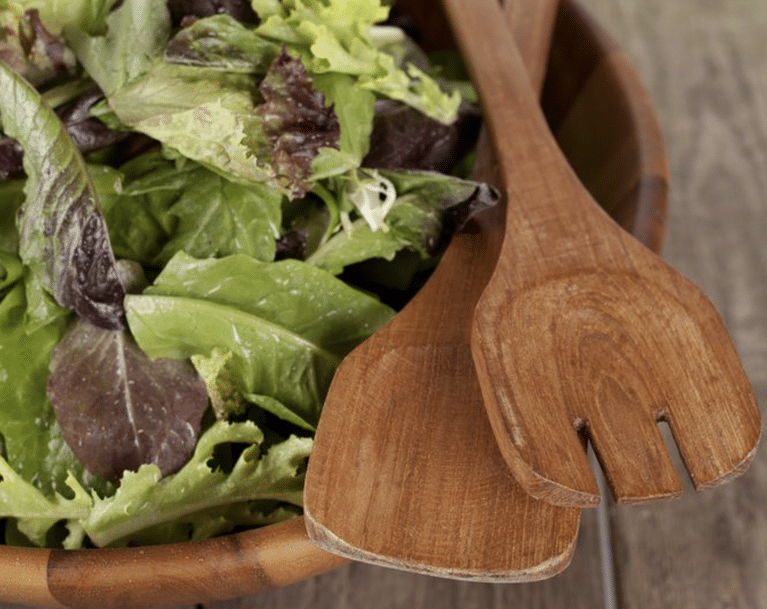
How to Choose the Perfect Salad Bowl: Size, Material & Style Guide
Salad bowls don't get the buying-guide attention that cutting boards or cookware do. That's a little odd, since the wrong one causes...
2. Leaving the Lid On When Microwaving
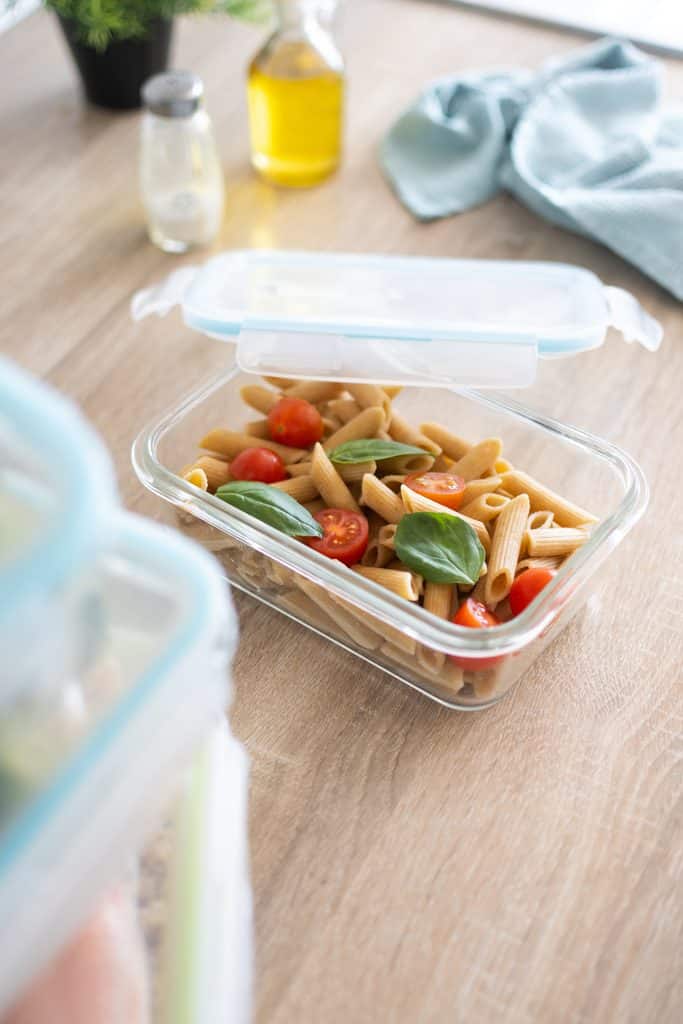
Plenty of containers say microwave-safe, and it’s natural to read that as a full green light. The label generally speaks to whether the container can handle the heat without warping or melting.
What it doesn’t necessarily tell you is how much breaks down or moves into food under heat, a separate question researchers are still studying. Steam also condenses on the underside of the lid and drips right back into the meal.
Popping the lid off and covering with a plate or a paper towel sidesteps the question. For anything you reheat often, a glass container takes plastic out of the picture.
The fix: lid off, plate on.
1. Letting Hot Liquid Sit in Plastic “Just Until It Cools”
This is the habit almost everyone has and almost nobody notices. Hot soup goes into a plastic container to cool on the counter, pasta water gets scooped with a plastic measuring cup, or coffee lands in a plastic cup for a minute.
Each moment feels like a non-decision, just somewhere to put something. Yet hot liquid in plastic is one of the most direct heat-plastic-food combinations in a typical kitchen, and it can happen several times a day without registering.
Some studies have found that hot liquids can release more particles from plastic than cool ones, though amounts vary a lot by product. Our look at what the kitchen microplastics research shows so far covers that in more depth.
Readers Can't Stop Opening These
★ Plastic-Free Kitchen Swaps: What to Replace First
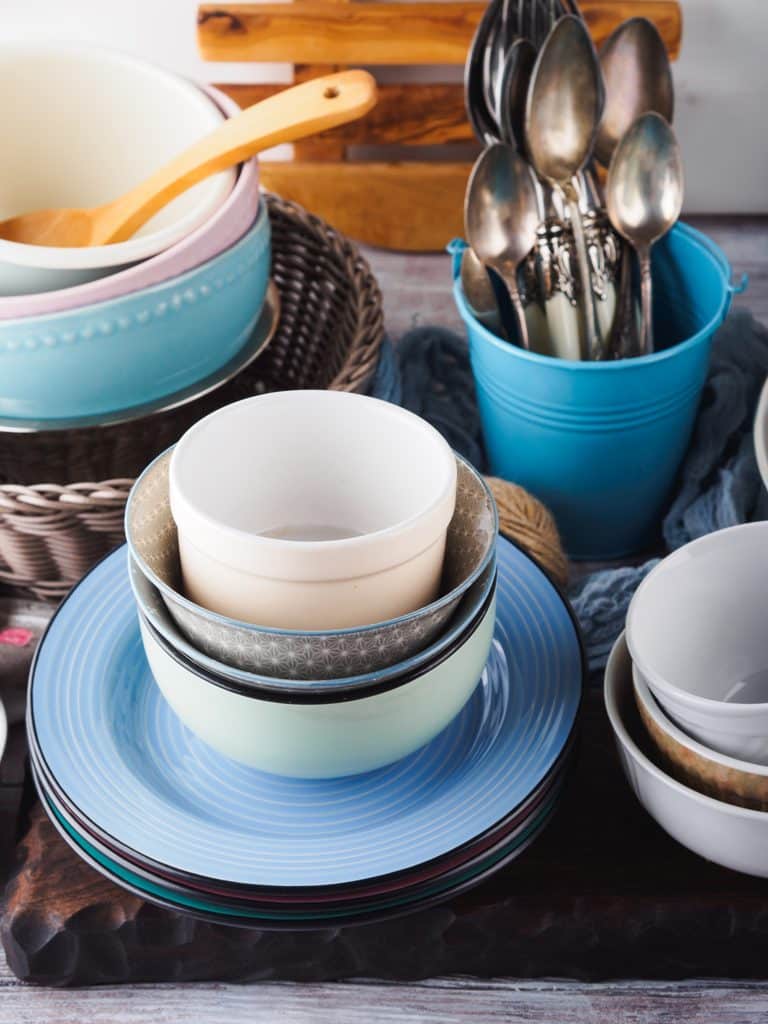
The fix costs nothing. Reach for a metal bowl, a glass measuring cup, or a ceramic dish for the cool-down step, and move food into plastic storage, if you still use it, only once it’s cooled.
Cooling soup in a wide metal pot or a shallow glass dish also brings it down to fridge temperature faster, which helps with food safety. It’s one of the rare changes that pays off on both fronts.
The fix: metal, glass, or ceramic for anything hot, every time.
Habits Over Hardware
None of these require buying anything, which is what separates this list from the swap-focused ones.
If you only fix two: take the lid off before microwaving, and stop parking hot liquid in plastic, even briefly. Those two cover the highest-heat moments on this list.
For the product side of the same topic, our guide to which plastic-free swaps to make first pairs well with these habit fixes. And our room-by-room beginner’s guide ties both into one starting plan.