Plastic-Free Kitchen Swaps: What to Replace First

Most plastic-free kitchen lists treat every swap as equally urgent. A reusable straw and a glass leftover container end up side by side, as if they do the same amount of work.
They don’t. Some plastics in a kitchen spend their lives meeting heat, knives, and hot fat, while others barely touch food at all.
This guide sorts the common swaps by what tends to drive plastic breakdown in the first place, then lays out a realistic order for tackling them. The goal is a set of changes that still hold six months from now.
The Three Conditions That Matter Most
Research on microplastics in food is still young, and results vary a lot by product and test method. Across that work, three conditions come up again and again as things that tend to increase how much plastic breaks down.
Heat
Hot food, hot liquid, and microwaving usually top the list. Some studies have found higher particle counts when plastic containers are heated than when they’re used at room temperature, though the amounts reported vary widely.
Wear
Knives, whisks, scrubbers, and metal spoons scratch plastic surfaces over time. Those grooves are where small fragments can come loose, which is why a scarred cutting board gets so much attention.
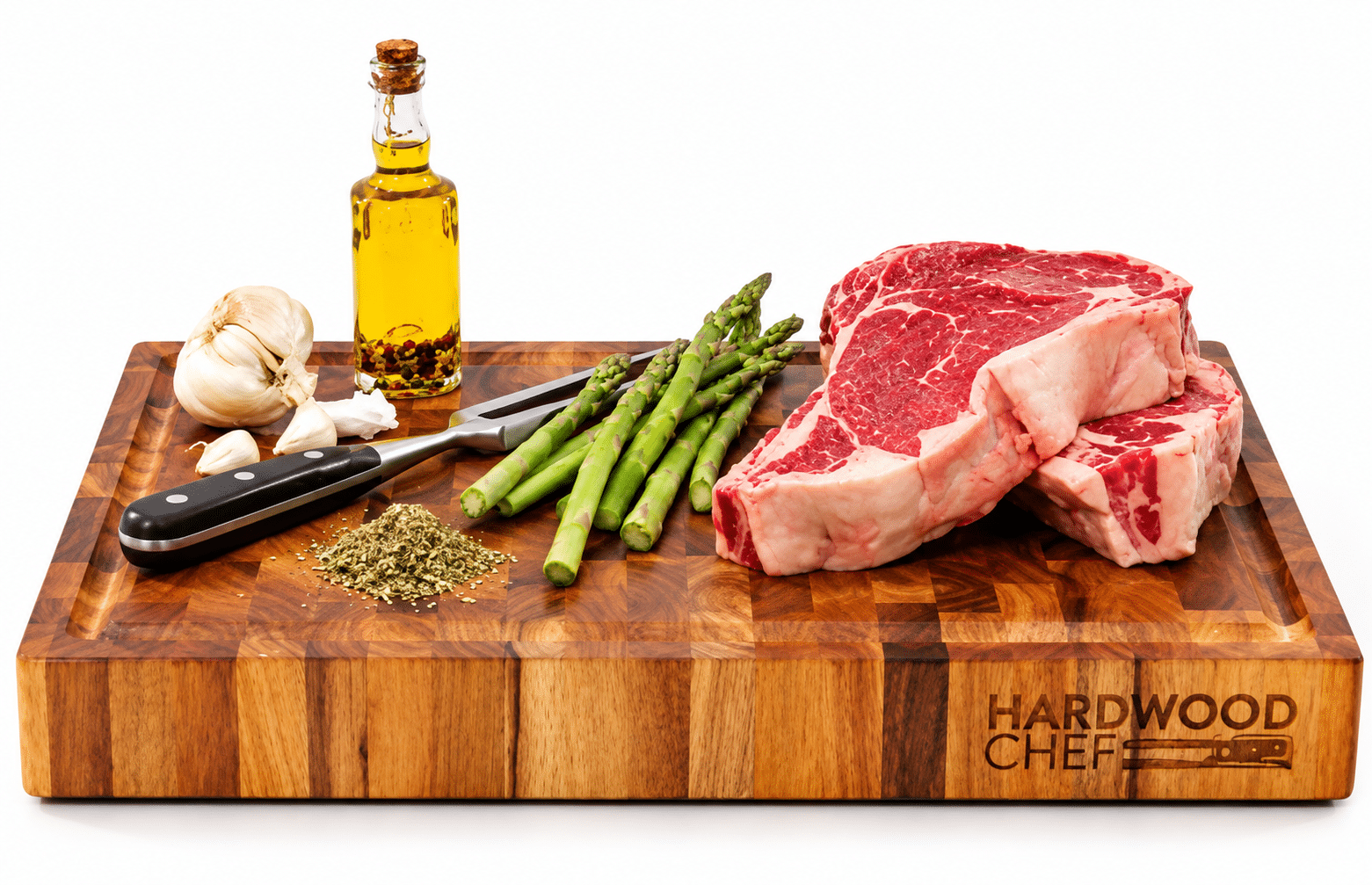
Researchers estimate plastic cutting boards can shed tens of millions of microplastic particles into food each year, and the knife grooves they build up are hard to fully clean. Our thick end grain acacia board has no plastic to shed, is gentle on your knives, and doubles as a serving board. See why it's worth switching.
See the board, now $119Regularly $179 · Arrives gift-wrapped in butcher paperContact
Fat, acid, and time all seem to play a role. Oily leftovers stored for days, or a vinegar dressing sitting in a plastic bowl through a long party, is a different situation from a dry apple in a produce bag.
Items that check two or three of these boxes are usually where a swap does the most. Items that check none come down mostly to reducing waste, which is still a fine reason, just a different one.
For a closer look at the studies behind all this, our walkthrough of what the kitchen microplastics research shows so far goes deeper.
The Priority Table at a Glance
Here’s how the common swaps sort out once each one runs through those three conditions.
| Swap | Main factor | Rough cost range | Effort | Tier |
|---|---|---|---|---|
| Containers you microwave | Heat, fat | $25 to $60 (glass set) | Low | 1 |
| Plastic mesh tea bags | Heat | $10 to $20 (infuser) | Low | 1 |
| Electric kettle | Heat | $30 to $80 | Low | 1 |
| Drip coffee maker | Heat | $20 to $50 (pour-over) | High | 1 (optional) |
| Worn nonstick pans and coated bakeware | Heat, scraping | $30 to $150 per piece | Moderate | 1 |
| Cutting boards | Knife wear | $40 to $200+ | Low | 2 |
| Spatulas and utensils | Scraping, heat | $15 to $40 (set) | None | 2 |
| Mixing bowls | Whisk wear | $20 to $50 | None | 2 |
| Blender pitcher | Blade and ice wear | $60 to $200 (new blender) | None | 2 |
| Scrubbers and sponges | Abrasion | $5 to $15 | None | 2 |
| Colander | Hot water | $15 to $35 | None | 2 |
| Grater | Wear | $10 to $30 | None | 2 |
| Storage lids | Contact | $25 to $60 (set) | Low | 3 |
| Serving and salad bowls | Acid, oil, time | $30 to $150 | Low | 3 |
| Plastic wrap | Contact | $15 to $25 | Low | 3 |
| Straws, produce bags, ice trays | Minimal | $5 to $20 each | None | 4 |
| Funnels, measuring cups, salad spinner | Minimal | $10 to $40 each | None | 4 |
| Kitchen trash can | None | $30 to $100 | None | 4 |
How this was sorted: Tiers are an editorial ranking based on how often each item typically meets heat, abrasion, or long food contact, not lab measurements of specific products. Cost ranges are rough US retail estimates as of 2026 and swing widely by brand, size, and material.
Use the ranges to compare swaps against each other, not to set a budget.
Tier 1: Where Heat Meets Plastic
This tier is short on purpose. It covers the handful of items where plastic and heat meet every day, the combination most research keeps circling back to.
Containers You Microwave
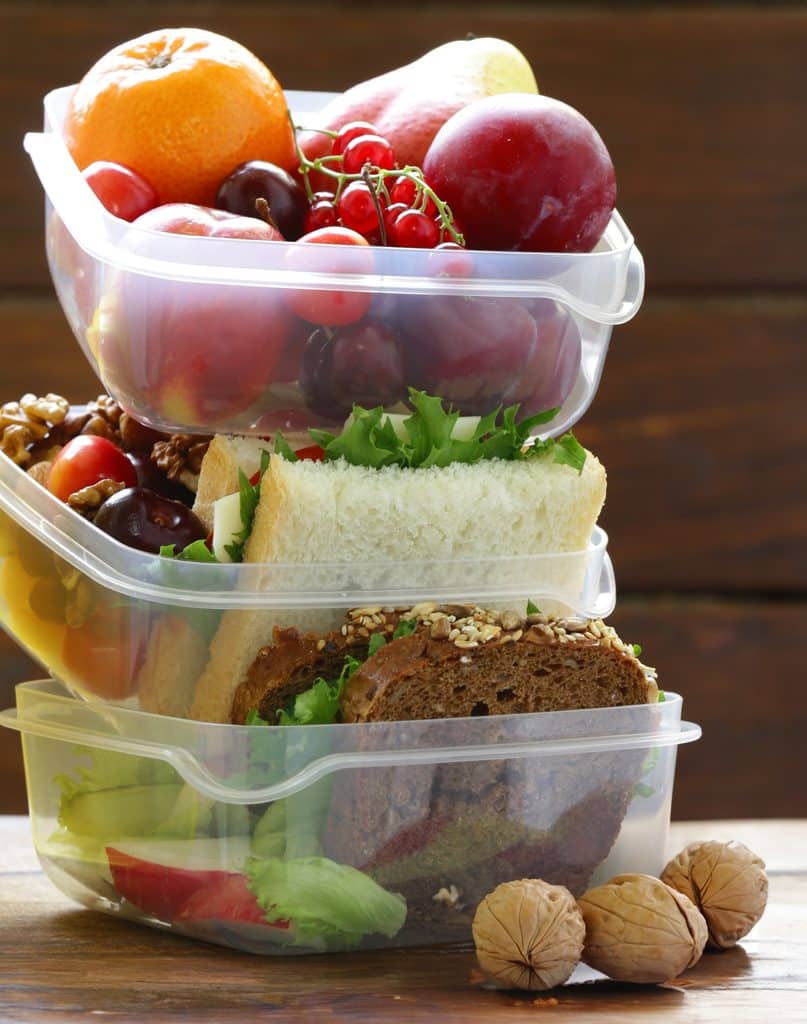
Reheating leftovers in plastic combines heat, fat, and sometimes acidic sauce all at once. Glass or ceramic containers sidestep that combination for most households.
The cheapest version of this swap costs nothing. Moving leftovers onto a plate or into a bowl before microwaving gets most of the benefit before any glass set arrives.
Plastic Mesh Tea Bags
Some pyramid-style tea bags are made from nylon or PET mesh, and some research suggests they can release particles when steeped in near-boiling water. Paper bags or loose leaf with a metal infuser avoid the question, and loose leaf tends to cost less per cup over time.
Keep Reading
If this one is your kind of read:
→ 31 Everyday Items Leaking Microplastics in Your Home Right Now
→ How to Tell If Your Cutting Board Is Shedding Plastic (And What to Do About It)
Electric Kettles
Plenty of kettles sold as stainless still have plastic lids, water windows, or filters touching the boiling water. When shopping, look for models where the water mostly contacts steel or glass, and read the product details, since this varies by model.
Coffee Makers
Drip machines run hot water through plastic reservoirs and tubing every morning, which puts them squarely in this tier. A pour-over cone or a glass-and-steel French press is the low-cost alternative.
That said, this is a real routine change, and for a lot of people it won’t last. If pour-over sounds miserable at 6am, start with the other Tier 1 items and come back to this one later, or never.
Worn Nonstick Pans and Coated Bakeware
Nonstick coatings are a type of plastic, typically PTFE. They’re generally considered stable when intact and used at normal temperatures, and the concern tends to center on overheating and scratched, flaking surfaces.
Stainless steel and cast iron last for decades but come with a learning curve, so expect a few stuck eggs. A practical middle path is replacing nonstick pans and coated sheet pans as they wear rather than all at once. Our rundown of tools that shed as they wear covers more of the scraped-coating category.
Tier 2: Surfaces That Get Cut, Scraped, and Scrubbed
Wear is the theme here. These items rarely stay hot for long, but they take a beating from blades and utensils every day.
Cutting Boards
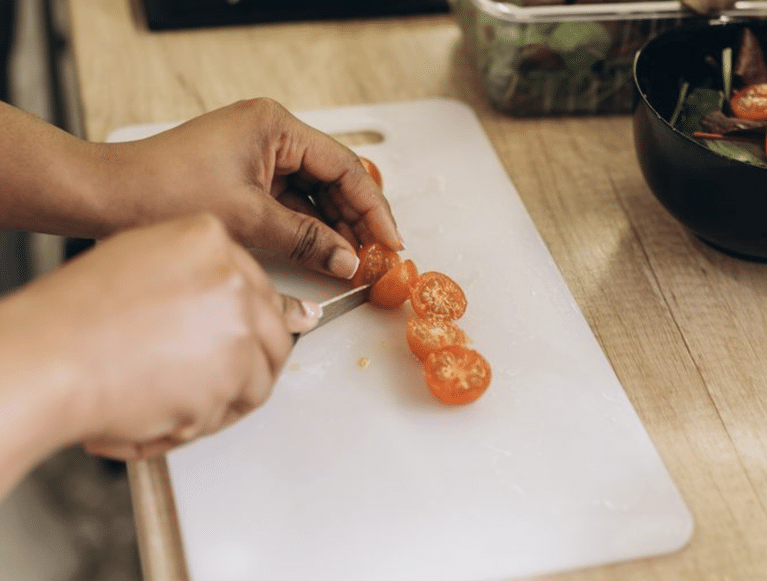
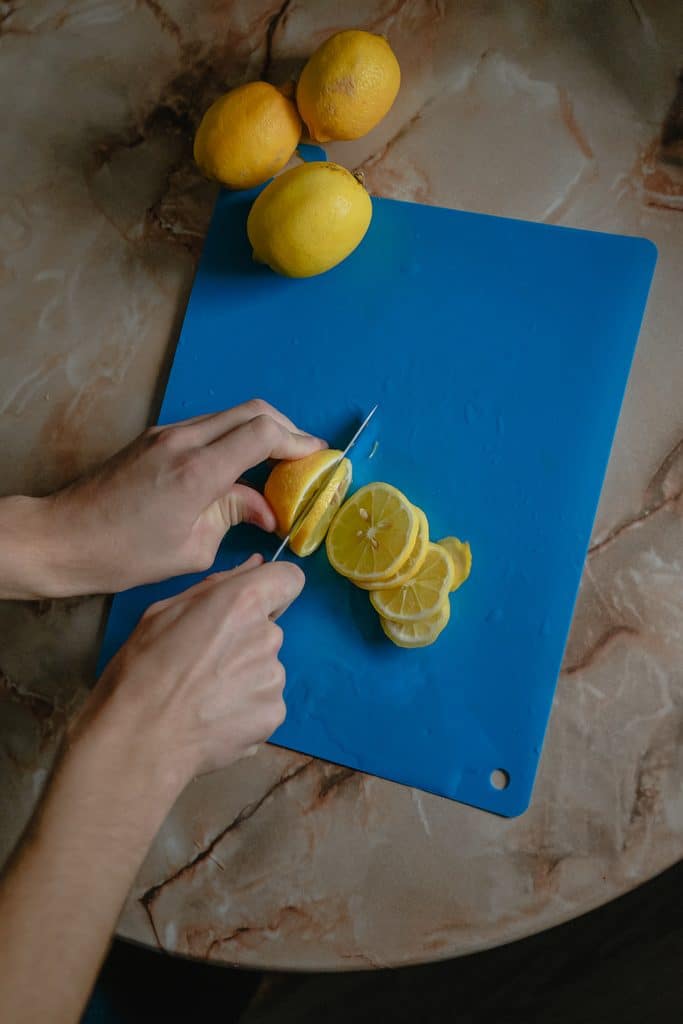
A plastic cutting board is one of the most heavily scratched plastic surfaces in a typical kitchen. Research on plastic boards has generally found that knife scoring releases fragments, with amounts varying by board, knife, and technique.
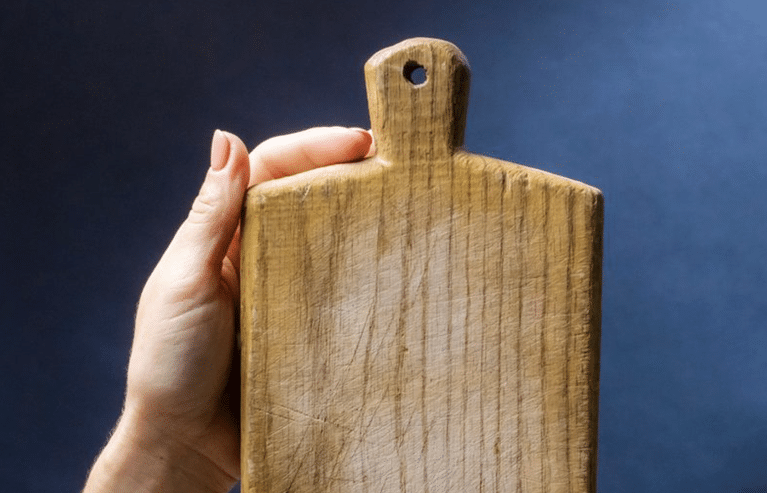
Wood is the usual replacement, and hardwood boards hold up for years with occasional oiling. Our oiling, cleaning, and storage routine covers what that upkeep looks like in practice.
While You're Here
9 Warning Signs Your Cutting Board Is Contaminating Your Food
Most people replace a cutting board when it looks bad, not when it needs replacing. Those aren't the same thing. A board...
Bamboo gets marketed as the eco pick and can be a reasonable option, but many bamboo boards are strips bonded with adhesives, and the details vary by product. Our side-by-side comparison of wood, plastic, and bamboo walks through those tradeoffs.
From the HardwoodChef Shop: Our thick acacia end-grain boards are built for daily knife work, since end grain tends to take cuts without scarring as deeply as other surfaces. They sit on the pricier end of this table, so it’s a swap you make once rather than every couple of years.
Spatulas and Cooking Utensils
Plastic spatulas scrape hot pans, which puts them partly in Tier 1 territory too. Wood or stainless utensils handle the same jobs, and a full set usually costs less than one good pan.
Silicone is the common middle ground. It’s generally considered more heat-stable than most plastics, though it’s still a synthetic material and the research on it is thinner, so wood or metal is the simpler pick when either one works.
Mixing Bowls and Blender Pitchers
Whisks and hand mixers scratch plastic bowls constantly, and blender blades grinding through ice do the same to plastic pitchers. Stainless or glass mixing bowls are inexpensive.
A glass-pitcher blender usually means replacing the whole machine, though. That one makes more sense when the current blender dies.
Scrubbers, Colanders, and Graters
Synthetic sponges and scrub pads shed as they wear down, which is more or less how they work. A wood brush with plant-fiber bristles is a direct swap for a few dollars.
Plastic colanders take boiling pasta water, so stainless is the better long-term pick. Plastic graters mostly lose on durability, since stainless holds its edge far longer.

Jonathan grew up in New Jersey until his family moved to Germany, where he spent his youth in old-world butcher shops and French markets and learned that the best meals happen around a shared table. HardwoodChef started with one idea: make the board at the center of those moments.
Unlike plastic, it has nothing to shed into your food. Unlike glass or bamboo, its end grain is easy on your knives. And at nearly two inches thick, it’s sturdy enough to carve on and good-looking enough to serve straight from the board.
“Food brings people together. I wanted to make something worthy of sitting in the middle of it.”
Read Jonathan’s story
Tier 3: Long Contact With Food
Nothing in this tier gets especially hot or scraped. What these items share is time, with food sitting against plastic for hours or days.
Storage Lids
Even glass container sets often ship with plastic snap lids. Lids usually sit above the food rather than in it, so this is lower stakes than the container itself.
Glass-lid or bamboo-lid sets exist for anyone who wants to go further. Glass lids are heavier and can chip if dropped, a real tradeoff in a busy kitchen.
Serving and Salad Bowls
A salad in vinaigrette sitting in a plastic bowl through a three-hour party combines acid, oil, and time. Wood bowls handle that job well and tend to last for years with basic care.
Size matters more than most people expect, since an undersized bowl makes tossing a mess. Our guide to salad bowl sizes, materials, and styles covers the details.
Worth a Look: HardwoodChef’s acacia salad and serving bowls are made for exactly this kind of long-sitting, dressing-heavy job. A quick hand wash and an occasional oiling keep them in good shape.
Plastic Wrap
Beeswax wraps cover bowls and wrap cheese, bread, and cut produce well, and a starter set tends to run about $15 to $25. They’re less suited to raw meat, where a sealed glass container is the better fit.
Tier 4: Fine to Swap, Low on Exposure
These are the swaps that show up on every plastic-free list. Most of them matter more for reducing waste than for exposure, since they rarely meet heat, heavy wear, or long contact.
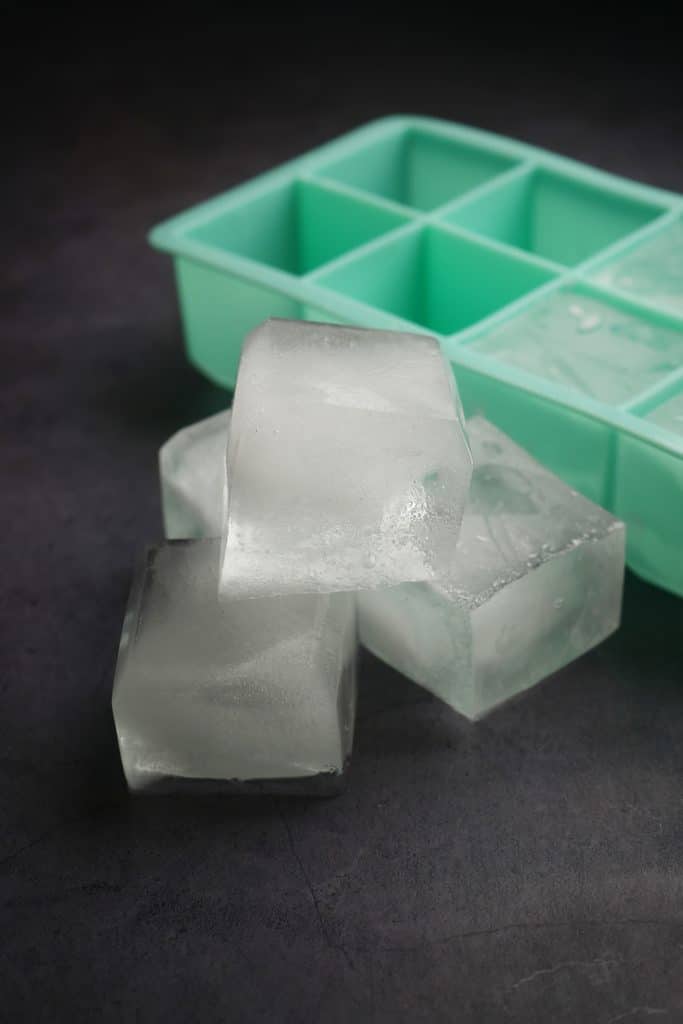
That group includes reusable straws, mesh produce bags, silicone ice trays, metal funnels, metal measuring cups, salad spinners, and a metal kitchen trash can. Any of them is a fine swap when the current one breaks, but none needs to happen first.
Dig Deeper
Wood vs. Plastic vs. Bamboo: A Complete Material Safety Comparison
Ask three kitchen sites which cutting board material is best and you'll often get three confident, contradictory answers. That usually means nobody...
The trash can sits at the very bottom. Food never touches it, so it lands last on any exposure-based list, if it lands at all.
The Swaps That Tend Not to Stick
Some swaps look great on a mood board and fade within a month. A few patterns show up often enough to plan around.
Replacing everything in one weekend is the big one. It’s expensive, it sends a pile of usable plastic to the trash, and it front-loads all the hassle, while swapping items as they wear out spreads both the cost and the adjustment.
Pour-over coffee and an all-cast-iron cookware lineup are the other common dropouts, since both change a daily routine. If either one isn’t going to happen in your kitchen, the rest of this guide still holds.
Watch for products sold as plastic-free that still have a plastic part in the food path. Marketing language and materials lists don’t always match, so the product details are worth a read before buying.
A Realistic Order of Operations
Here’s one way to sequence the whole thing, starting with what costs nothing.
This Week: Free Changes
Reheat food on plates and in bowls you already own instead of in plastic. Pull badly scratched plastic boards and containers out of rotation, and let hot leftovers cool before they go into any plastic that remains.
Readers Can't Stop Opening These
★ 21 Holiday Charcuterie Board Themes for Every Occasion
★ 15 Charcuterie Board Ideas That’ll Steal the Show at Your Next Party
This Month: The Small Buys
A glass storage starter set, a wood or stainless utensil set, and a natural-bristle dish brush cover a lot of daily contact for a modest outlay. Our roundup of non-toxic upgrades that cost less than you might expect sorts more options by price.
As Things Wear Out: The Bigger Ones
Cutting boards, cookware, kettles, and blenders are the larger purchases. Replacing each one when it gets scratched, warped, or broken spreads the cost over a year or two.
What This Guide Doesn’t Claim
The research on microplastics and food is early, and scientists are still working out how much people take in and what it means for health. This guide doesn’t make health claims about any item or material.
What it does is sort swaps by the conditions most often linked to plastic breakdown, so effort goes where it’s most likely to count. Exposure varies by product, household, and habit, and no single swap makes a kitchen plastic-free on its own.
Where to Start
If you take only a few things from this: stop heating food in plastic, replace scratched cutting boards and containers first, and let the low-exposure swaps happen as things break.
That order puts most of the effort where heat, wear, and long contact overlap. Everything else can wait for a sale.