31 Everyday Items Leaking Microplastics in Your Home Right Now

You probably think of microplastics as an ocean problem. Sea turtles, plastic islands, something happening far away from your kitchen counter.
Some research suggests a good share of everyday exposure happens much closer to home. Every time you cut, pour, microwave, or store food, plastic gets a chance to wear down a little.
That isn’t because you’re doing anything wrong. It’s what plastic tends to do under heat, friction, and time.
We pulled together 31 everyday culprits, ranked loosely by how often they touch your food and how rough that contact tends to be. A few will surprise you, a few will earn an eye roll, and we’ll say plainly which ones barely matter.
This isn’t a call to empty your cabinets tonight. It’s a list to help you notice what’s touching your food, so small swaps land where they count. The food itself is a separate conversation, and some everyday foods carry more microplastics than you’d ever guess.
We’ll start at the low end and work up to the item that probably touches your food more than anything else you own.
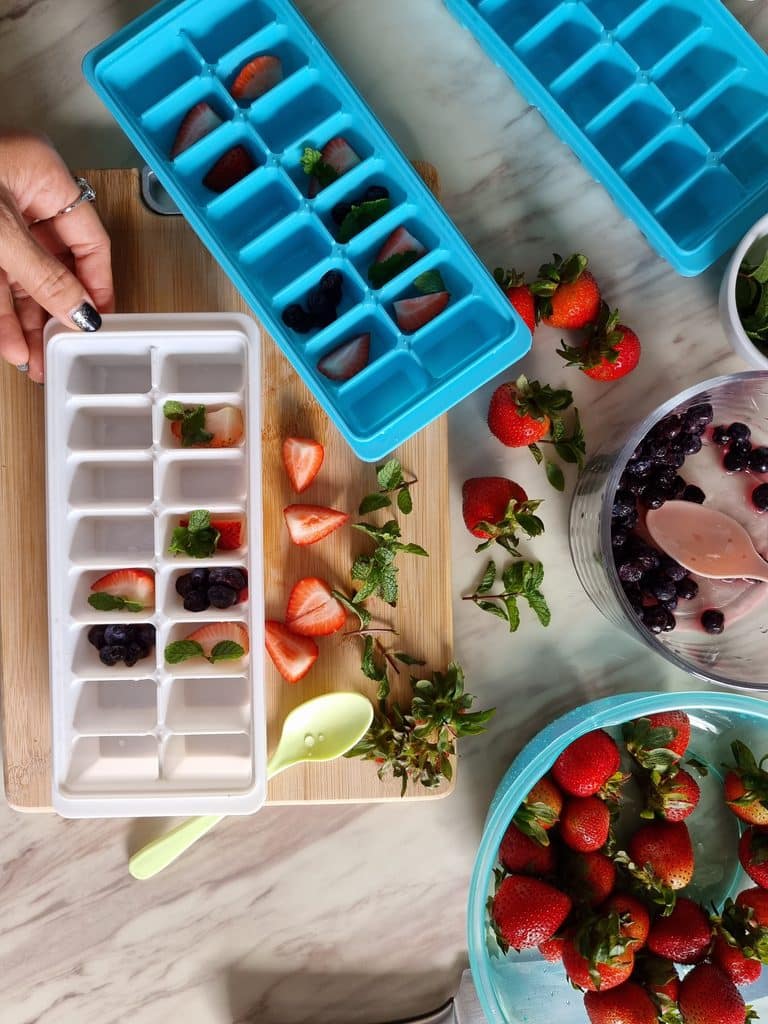
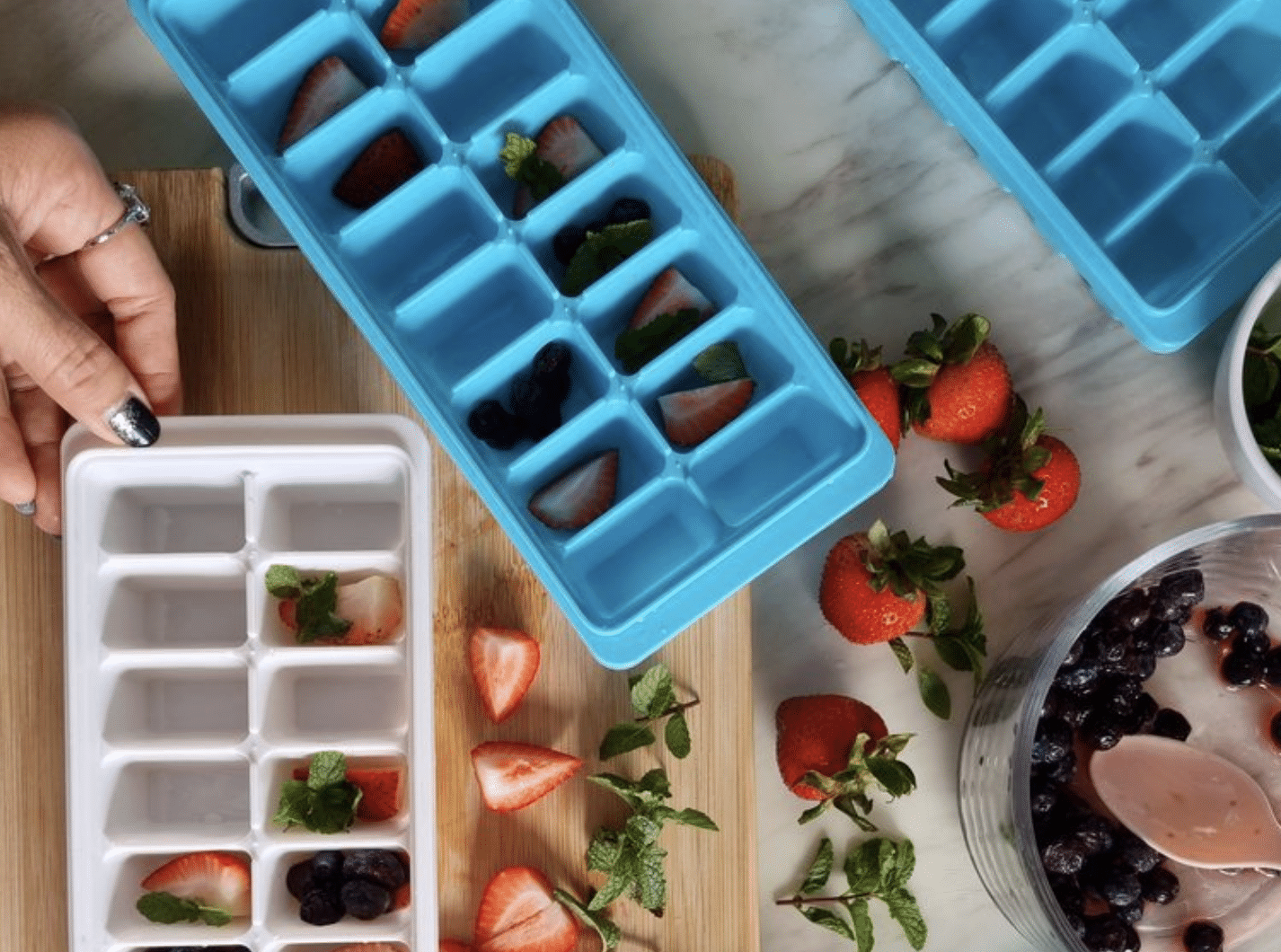
31. Plastic Ice Cube Trays
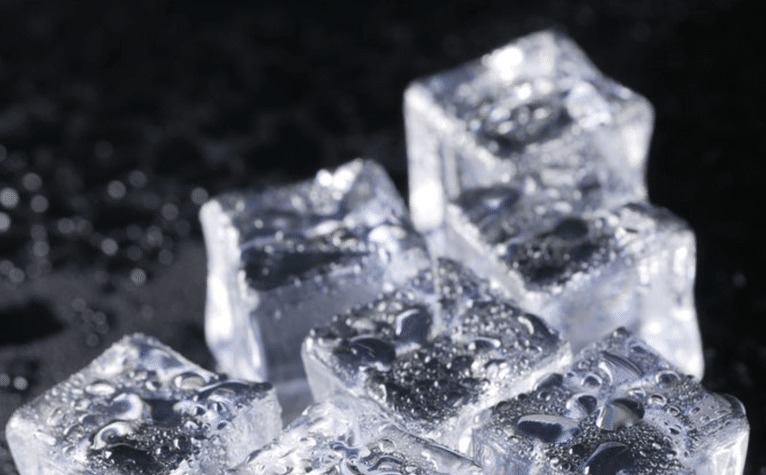
Ice trays go from freezer to glass to mouth in a pretty short trip. Repeated freeze-thaw cycles and the twist-to-release motion are rough on cheap plastic over the years.
That said, this is cold water against plastic, about as mild as kitchen contact gets. Cloudy, brittle, or cracked trays are the ones worth replacing, and intact ones can wait.
Stainless trays sidestep the question entirely. Silicone holds up well too, though it’s still a synthetic material.
Low priority. Swap when the tray cracks, not before.
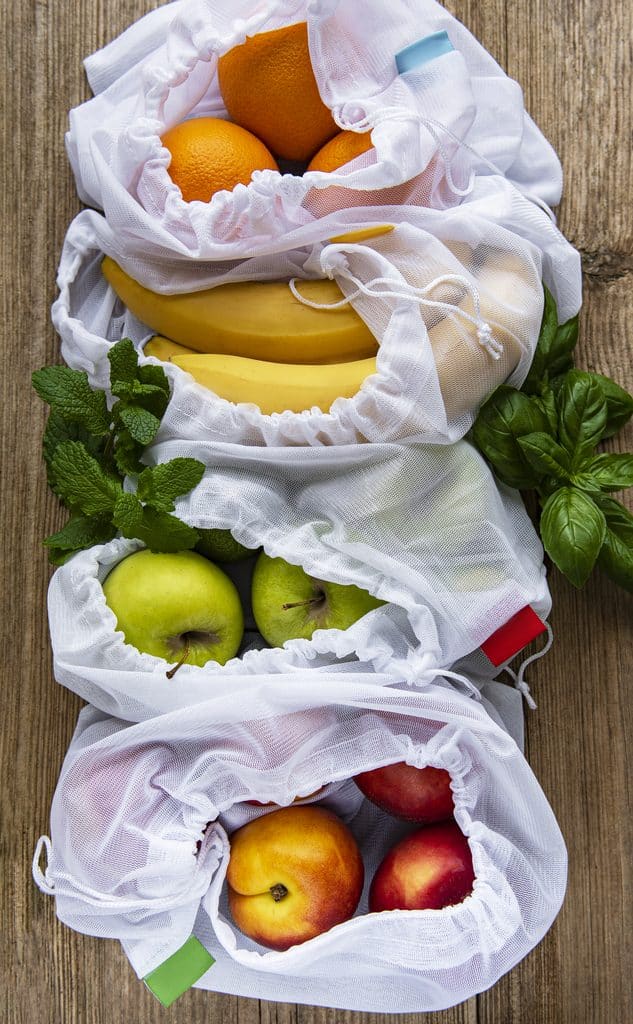
30. Mesh Produce Bags From The Grocery Store
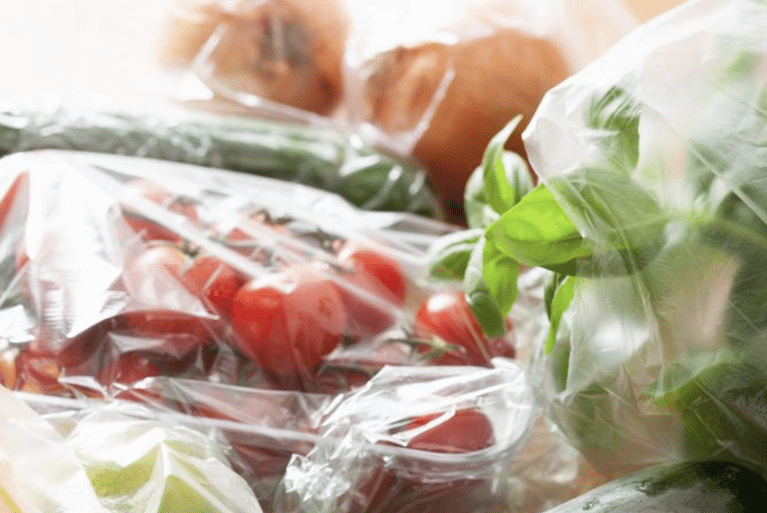
The thin mesh bags around oranges, potatoes, and onions are woven plastic, and they rub against the produce the whole time it’s bagged.
In fairness, most of what comes in those bags gets peeled, scrubbed, or cooked. It’s a low-contact item, and more of a waste issue than an exposure one.
Reusable cotton produce bags handle loose produce just as well and last for years.
Easy swap, small payoff. Do it for the waste as much as anything.
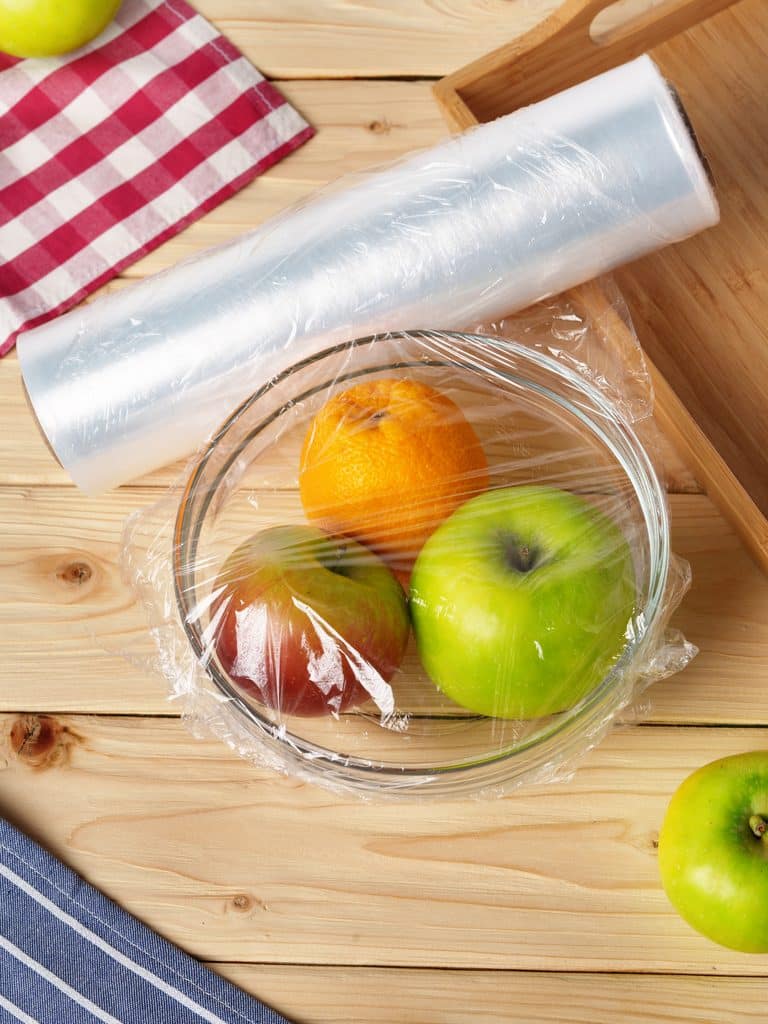
29. Plastic Wrap Pressed Directly Onto Food
Pressing cling wrap right onto leftovers, especially warm or oily ones, puts plastic in direct contact with the food surface for hours or days.
Heat and fat both tend to increase how much plastic gives up, which makes warm pasta sauce under cling wrap an unhelpful combination. Letting food cool first helps, and skipping direct contact helps more.
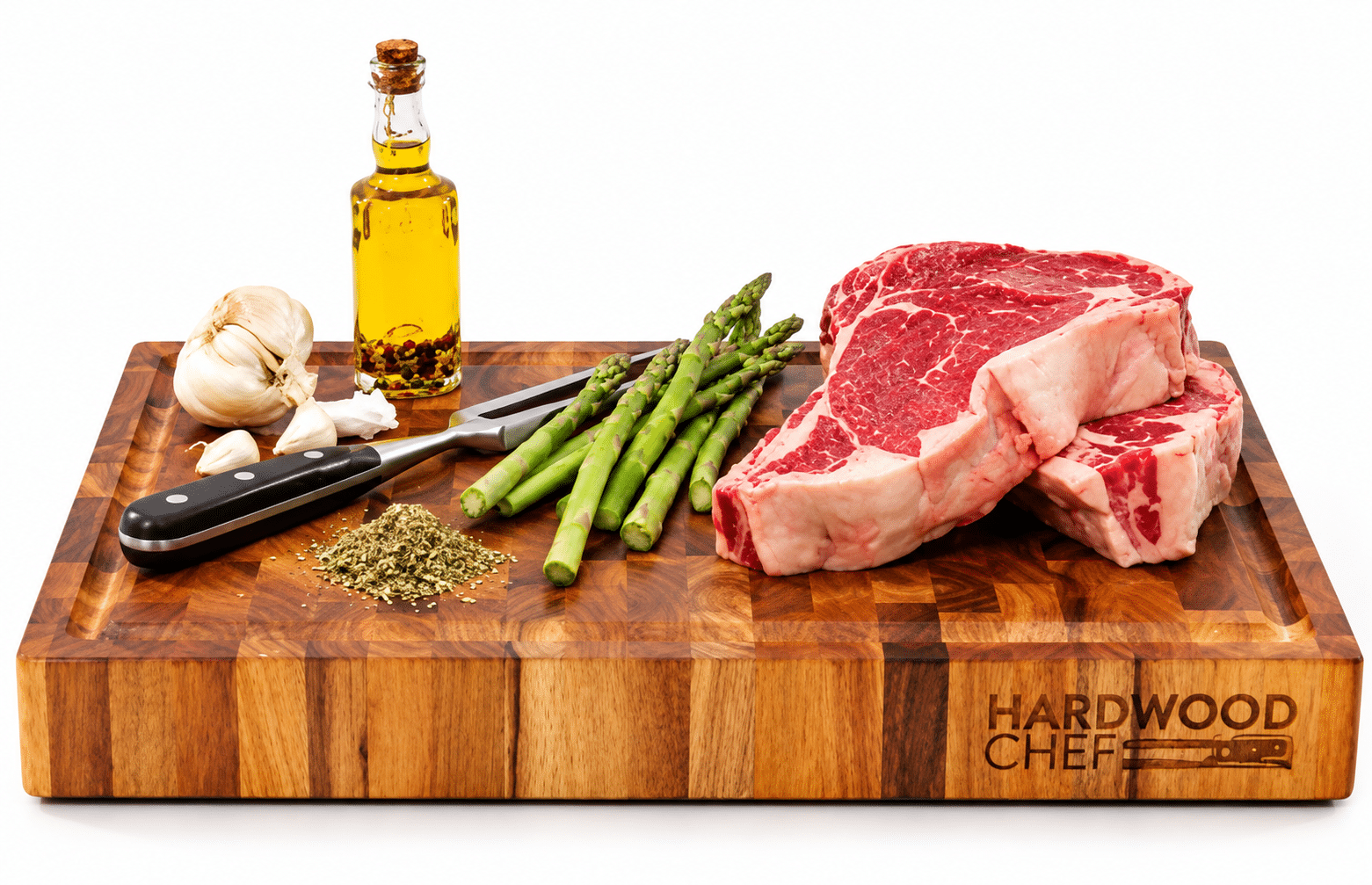
Researchers estimate plastic cutting boards can shed tens of millions of microplastic particles into food each year, and the knife grooves they build up are hard to fully clean. Our thick end grain acacia board has no plastic to shed, is gentle on your knives, and doubles as a serving board. See why it's worth switching.
See the board, now $119Regularly $179 · Arrives gift-wrapped in butcher paperA plate over the bowl or a beeswax wrap does the same job, and the plate trick is free, which puts it in good company with these weird frugal habits that actually save real money. It’s also one of several everyday kitchen habits worth rethinking.
Plate over the bowl. Free, and it works.
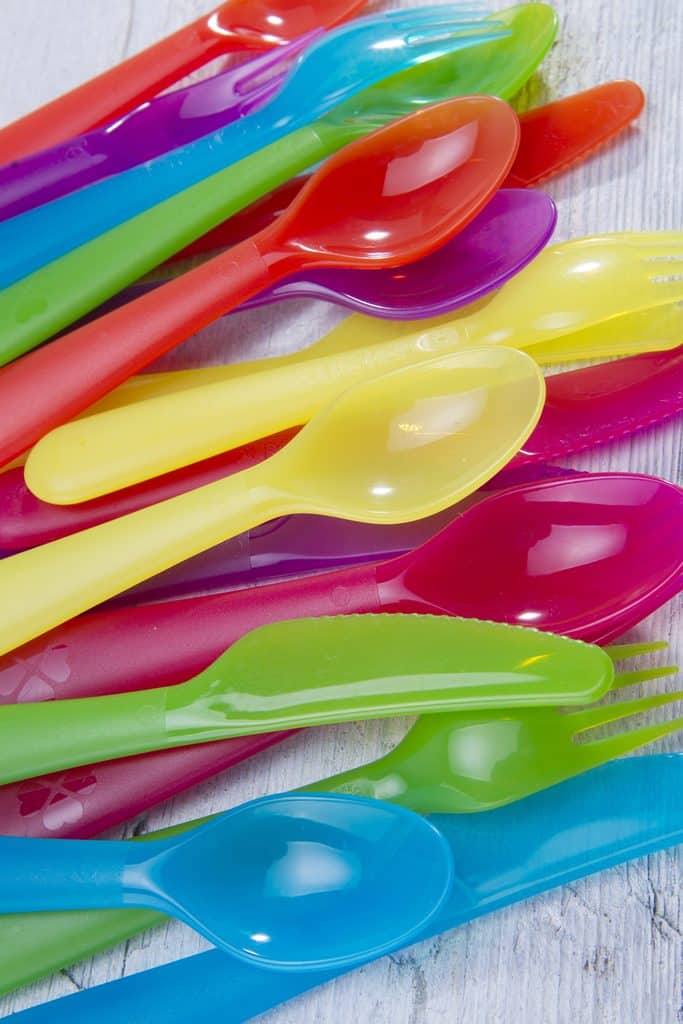
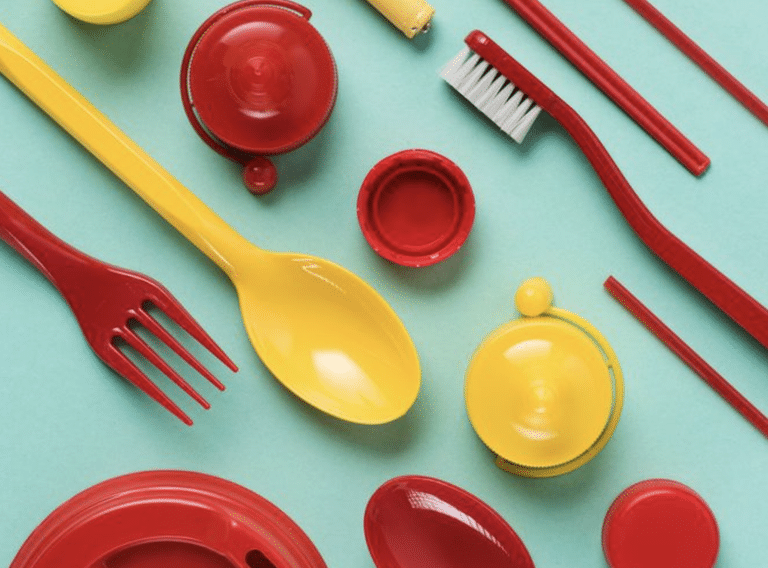
28. Disposable Plastic Cutlery
Takeout forks and knives are built to be used once and tossed, and they’re about as thin and flexible as plastic gets.
Pair them with hot food, like soup or a steaming rice bowl, and you get heat plus constant bending in one meal. Sturdier materials generally hold up to that much better.
A metal fork and spoon in your bag or desk drawer solves it. Asking the restaurant to skip the utensils is a free bonus.
Keep a real fork at work.
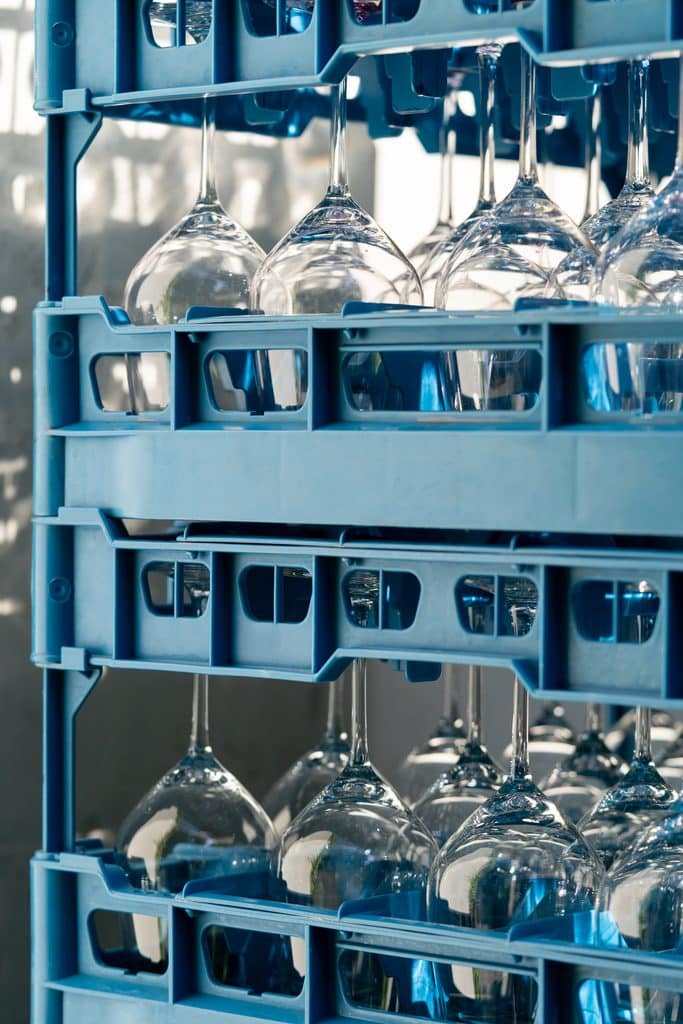
27. Plastic Drying Racks Under Wet Dishes
Wet dishes sitting on a plastic rack for hours, day after day, is a slow and steady source of contact.
This is one of the lower-priority swaps on the list. The dishes are already clean and only touch the rack at a few points, so the stronger argument for stainless is durability.
Buying once instead of every few years is the whole idea behind these household things that are actually built to last.
Low priority, but stainless outlasts plastic by years.
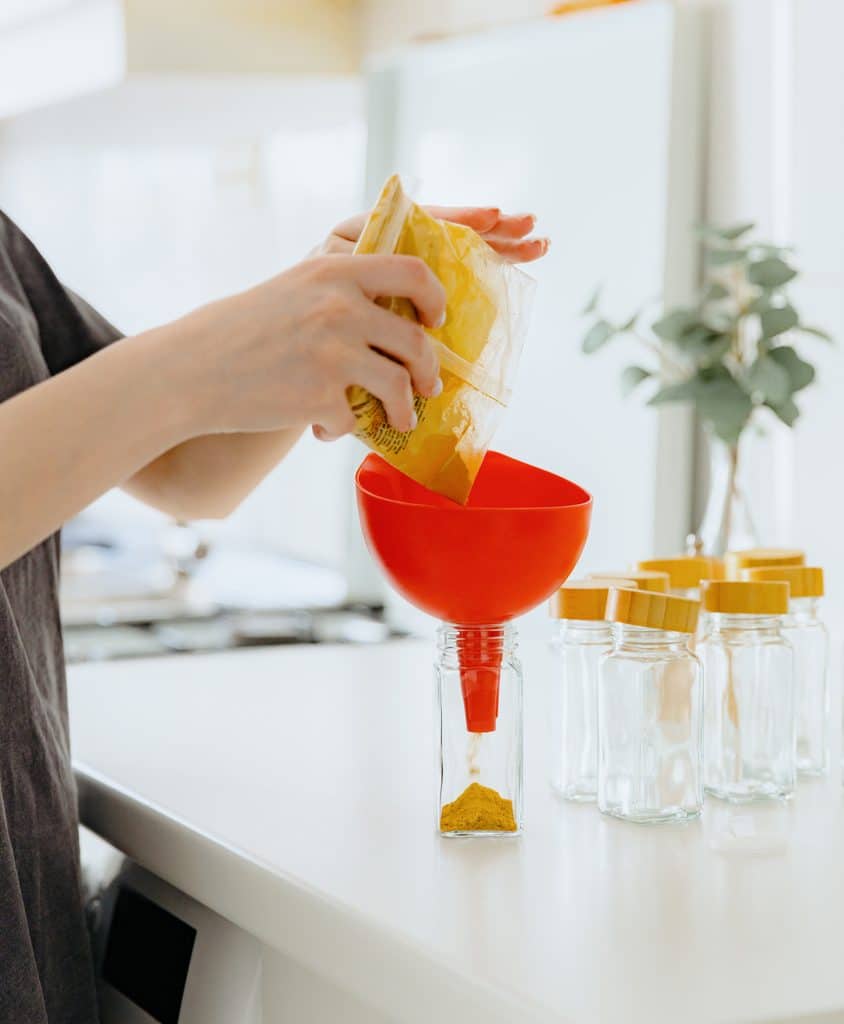
26. Plastic Funnels And Canning Tools
If you can or preserve at home, the plastic funnel moving hot jam or brine into jars is worth a second look. Hot liquid moving through plastic is a theme that keeps coming up on this list.
Stainless canning funnels and ladles cost a few dollars more and don’t care how hot the liquid gets.
The same goes for pickling and fermenting. Glass jars plus wood or stainless tools keep plastic out of most of the process, and this beginner’s guide to fermenting at home covers the basics.
Stainless for anything hot going into jars.
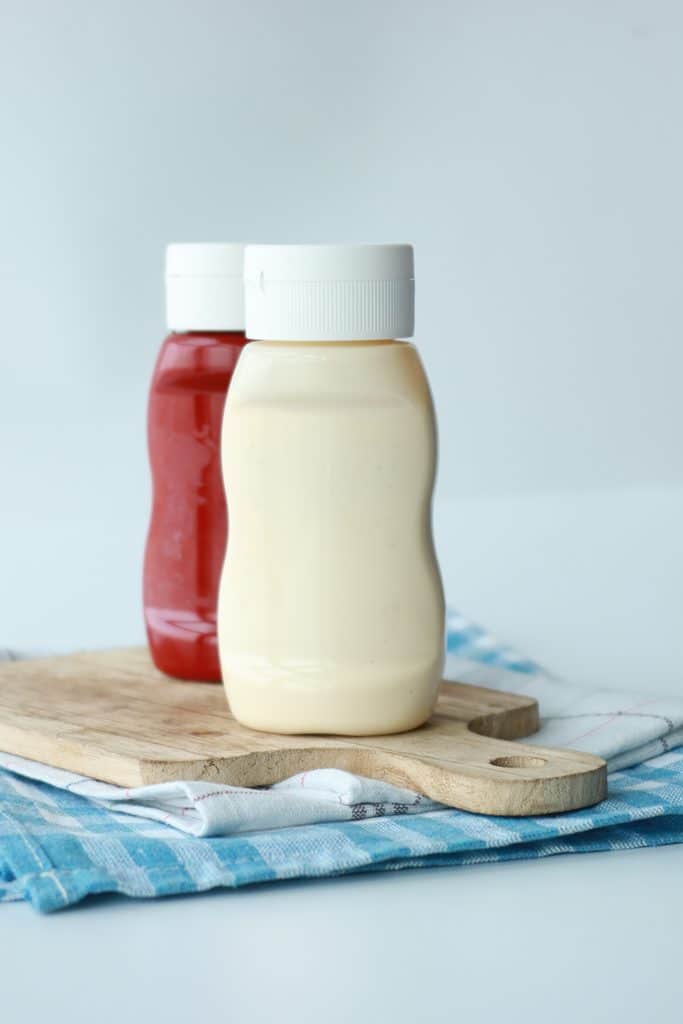
25. Bottled Salad Dressings And Condiments
Oily dressings sitting in plastic bottles for weeks or months are a slower version of the cling wrap problem.
Some research suggests fats can draw certain compounds out of plastic over time, so long storage is the part worth noticing. Glass bottles take that question off the table.
Saving a few glass jars to refill with homemade dressing is an old-school move, right in line with these things grandmothers never threw away.
Homemade dressing in a glass jar is cheaper anyway.
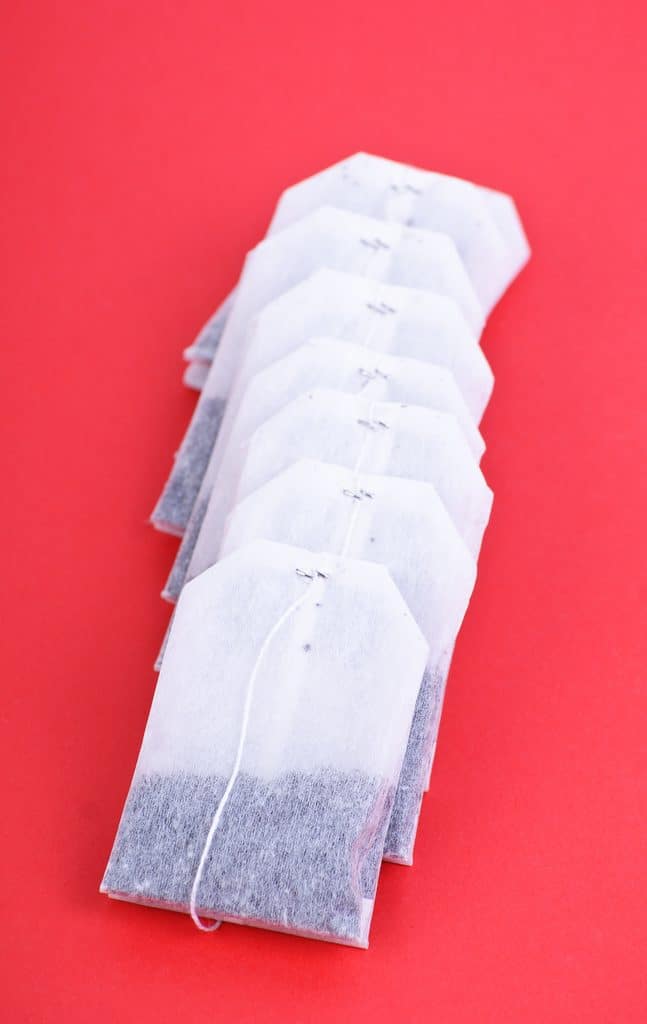
24. Tea Bags With A Plastic Mesh Weave
Not all tea bags are paper. Many of the pyramid-shaped premium bags are woven from plastic mesh, often nylon or PET.
Steeping in near-boiling water for several minutes puts heat and direct contact together in one cup. Some research suggests these bags can release particles during brewing.
Loose leaf in a stainless infuser skips the question, and paper bags are a fine middle option. Loose leaf also tends to cost less per cup.
Check the box. If the bags look silky, they’re probably plastic.
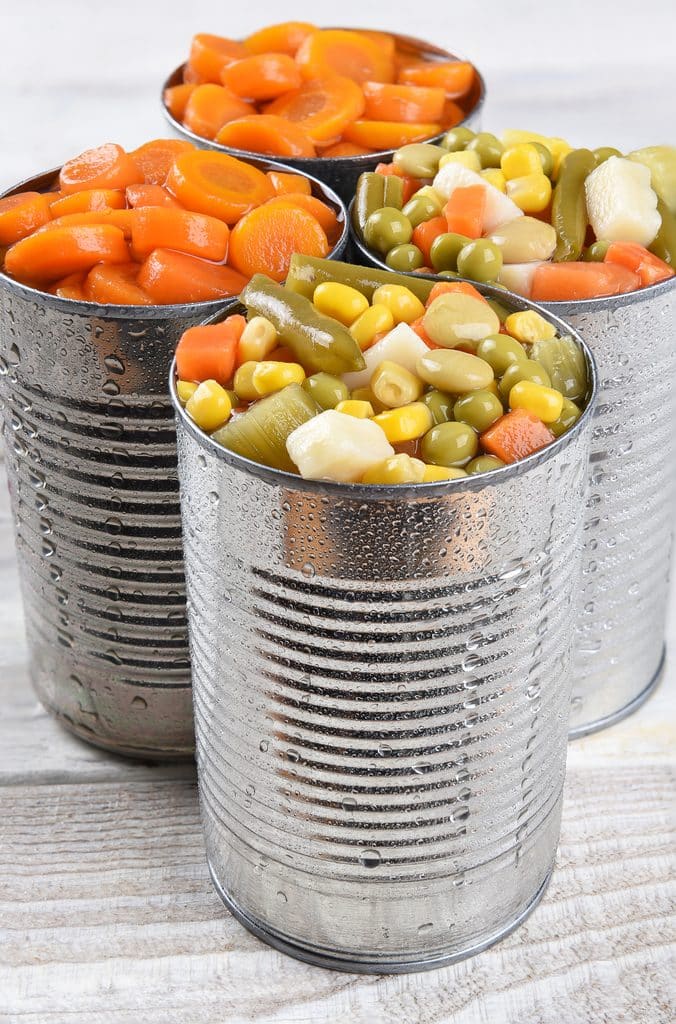
23. Canned Soup And Vegetable Linings
Most cans are lined with a thin resin coating that keeps the metal from reacting with food. Acidic foods like tomatoes are generally considered the higher-contact category, and linings marketed as BPA-free are common now, though researchers are still studying some of the replacement materials too.
This one is hard to avoid entirely if you buy canned goods at all. If you’re rethinking the kitchen room by room, tomatoes in glass jars are an easy first switch.
Dried beans, rice, and grains stored in glass sidestep can linings altogether. If you keep a deep pantry, this list of pantry foods with the longest shelf life is a good place to plan from.
Keep Reading
If this one is your kind of read:
→ The Complete Guide to Microplastics in the Kitchen: What the Research Actually Shows
→ Wood vs. Plastic vs. Bamboo: A Complete Material Safety Comparison
Tomatoes in glass, beans from dry.
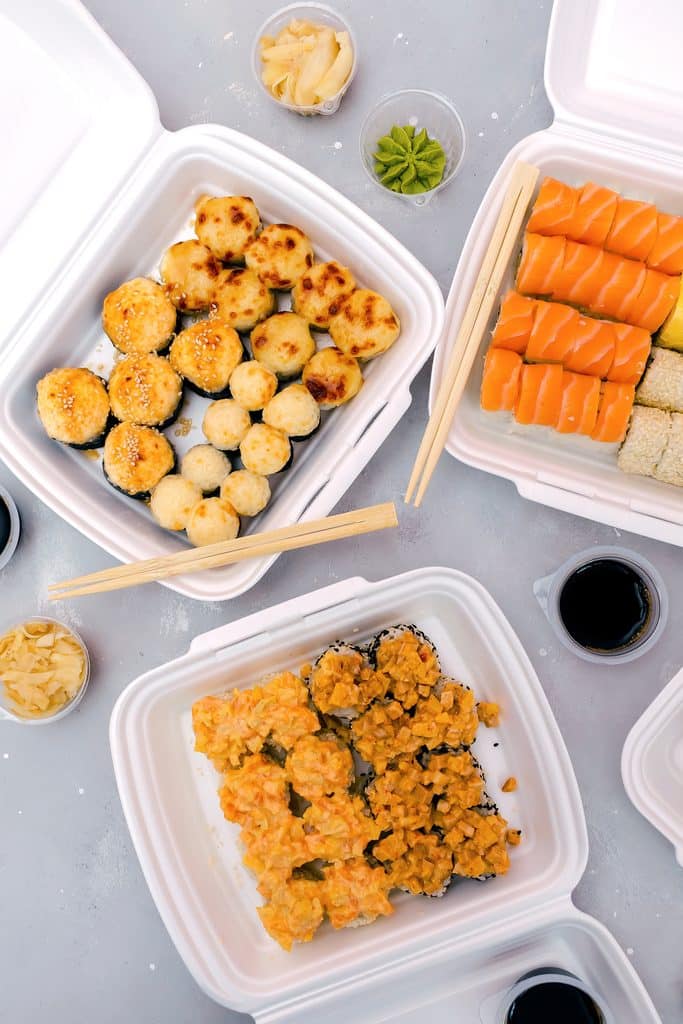
22. Take-Out Containers Reheated In The Microwave
The container your leftovers came home in often wasn’t designed for the microwave, even when it looks like ones that are.
Thin takeout plastic plus heat plus oily, saucy food checks most of the boxes this list keeps returning to. Moving leftovers to a plate or a glass dish before reheating takes about ten seconds.
Ordering in less often cuts down on the containers too, and it helps the budget. The real cost of a regular takeout habit adds up faster than most people expect.
Plate first, then microwave.
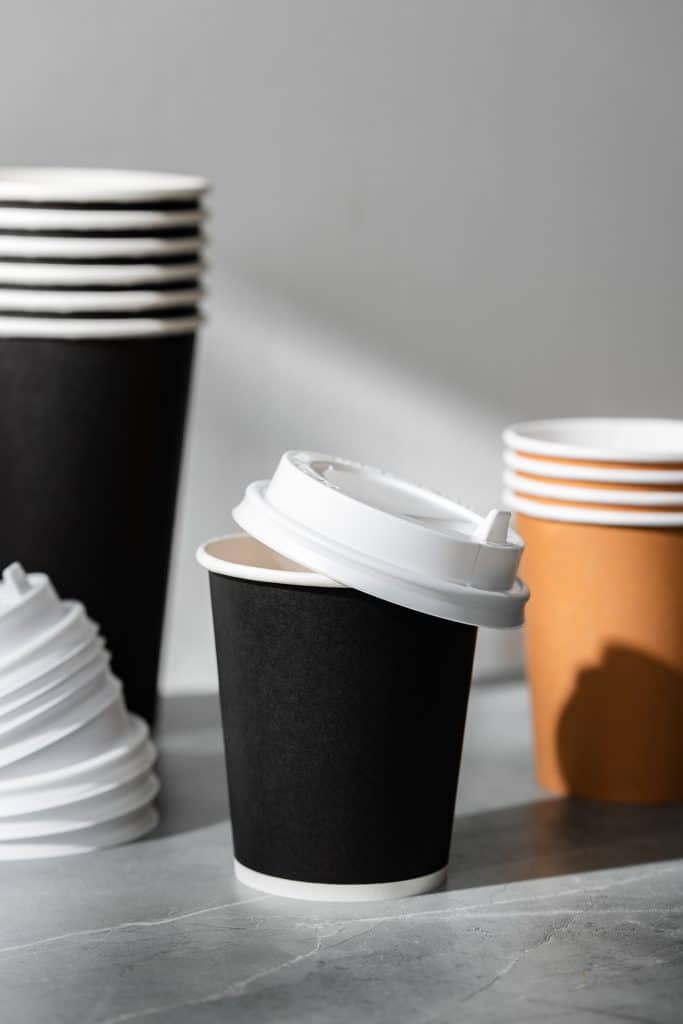
21. Paper Coffee Cups With A Plastic Inner Lining
Most paper coffee cups have a thin plastic film on the inside so they can hold hot liquid without going soggy.
Hot coffee sits against that lining for the twenty or thirty minutes it takes to finish a cup. It’s a small amount of contact, but for a lot of people it happens every single day.
A reusable stainless or ceramic mug solves this and saves money, a rare two-for-one on this list. If you’ve never added it up, here’s what a daily coffee run really costs over a year.
Bring your own mug.
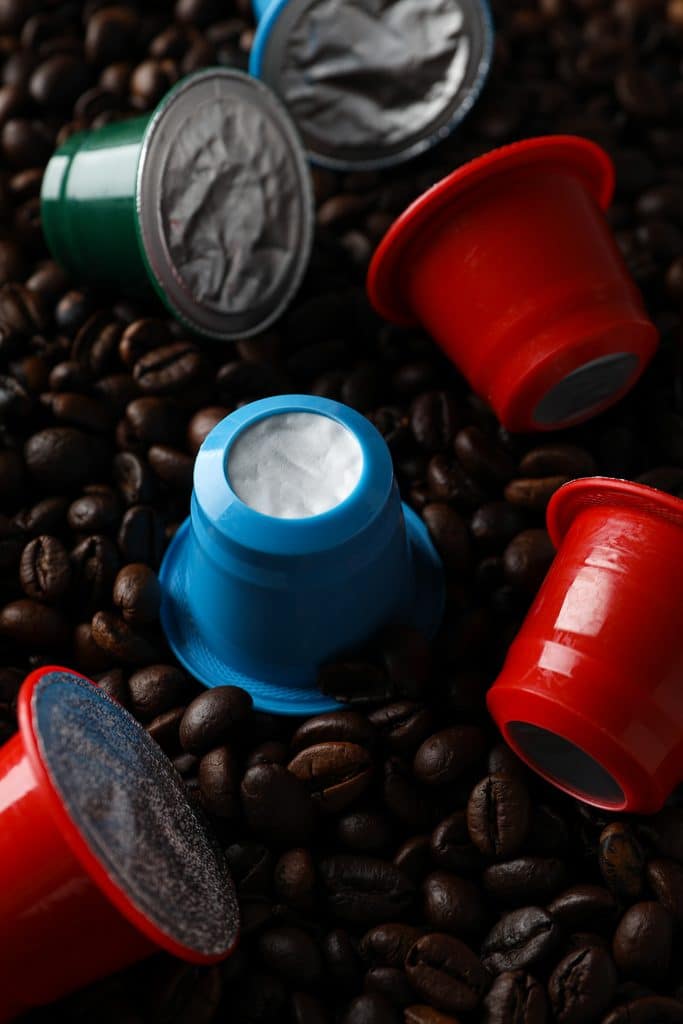
20. Single-Use Coffee Pods
Hot water pushed through a plastic pod is about as intense as home brewing gets on the plastic front.
One pod a day adds up to roughly 365 hot brews a year running straight through plastic. Aluminum pods or a refillable stainless pod filter sidestep that if you’re attached to the machine.
Pods also tend to cost more per cup than ground coffee. For more on how small daily buys stack up, see the real math on quitting common purchases.
Keep the machine, switch to a refillable metal pod.
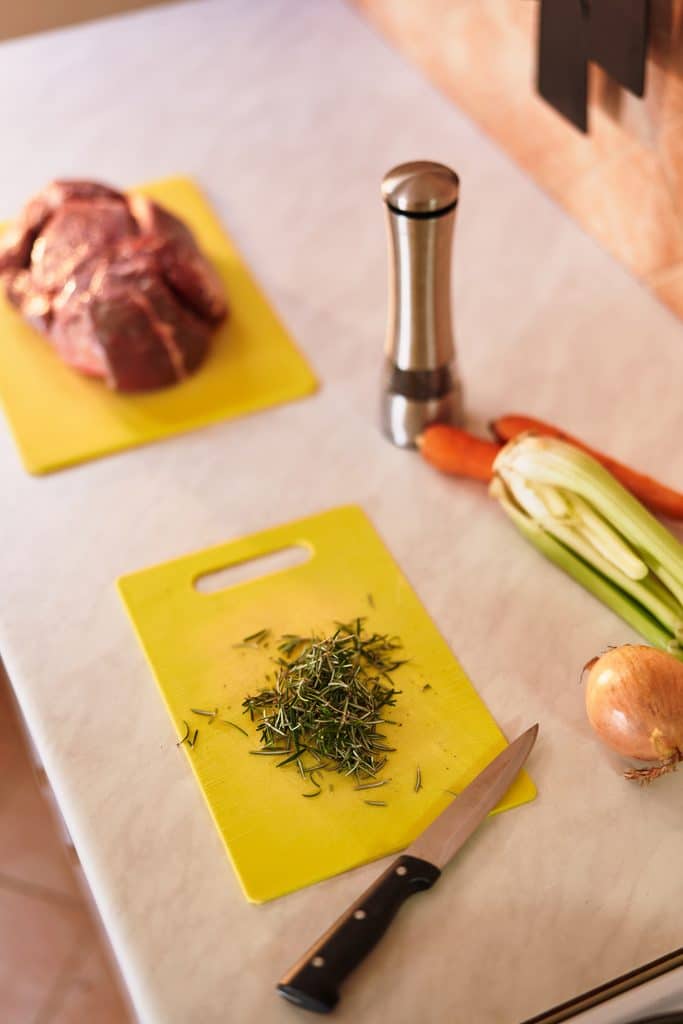
19. Thin, Flexible Plastic Cutting Mats
Bendy plastic mats that fold to funnel chopped vegetables into the pan are convenient. They also scar fast, since there’s not much material to absorb a knife.
Knife grooves are where small fragments can come loose into whatever you cut next, and thin mats tend to get covered in them within months. Learning the warning signs a cutting surface needs replacing once makes the check easy after that.
If you love the folding trick, a bench scraper does the same job off a wood board.
Replace scored mats, and let a bench scraper handle the fold.
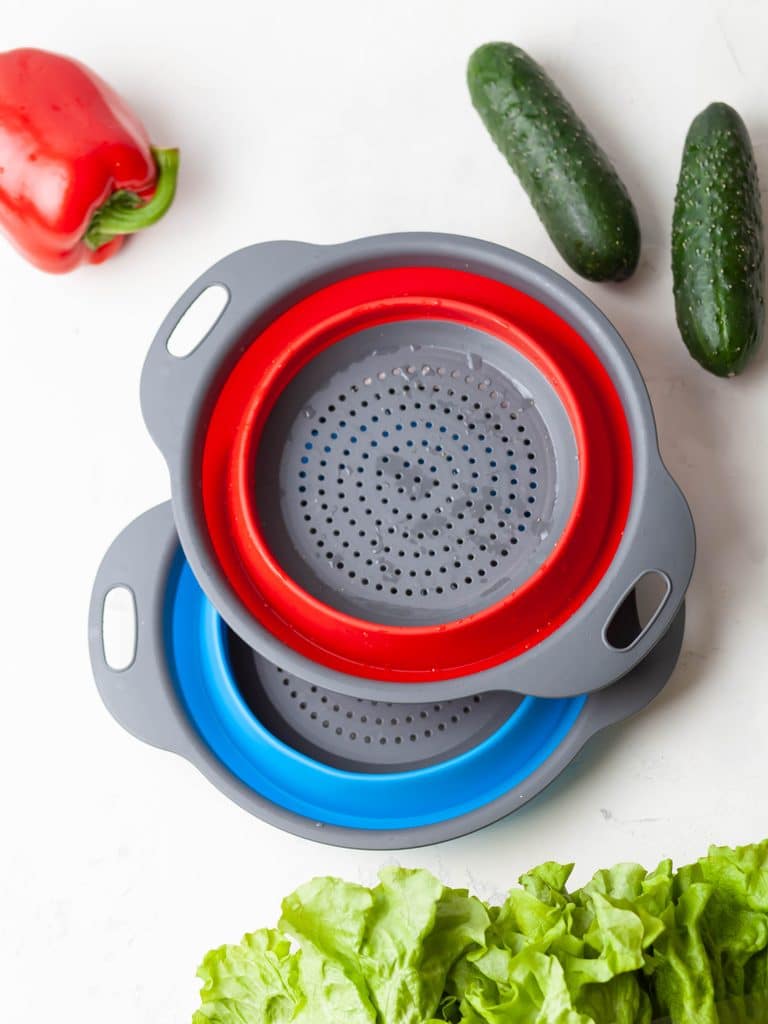
18. Plastic Colanders And Strainers
Boiling pasta water pouring through a plastic colander hits it with heat and flow at the same time.
Perforated and mesh designs have lots of surface area, and that’s where wear shows up first as clouding and rough patches. Stainless colanders cost more up front but tend to last decades.
Stainless for anything that meets boiling water.
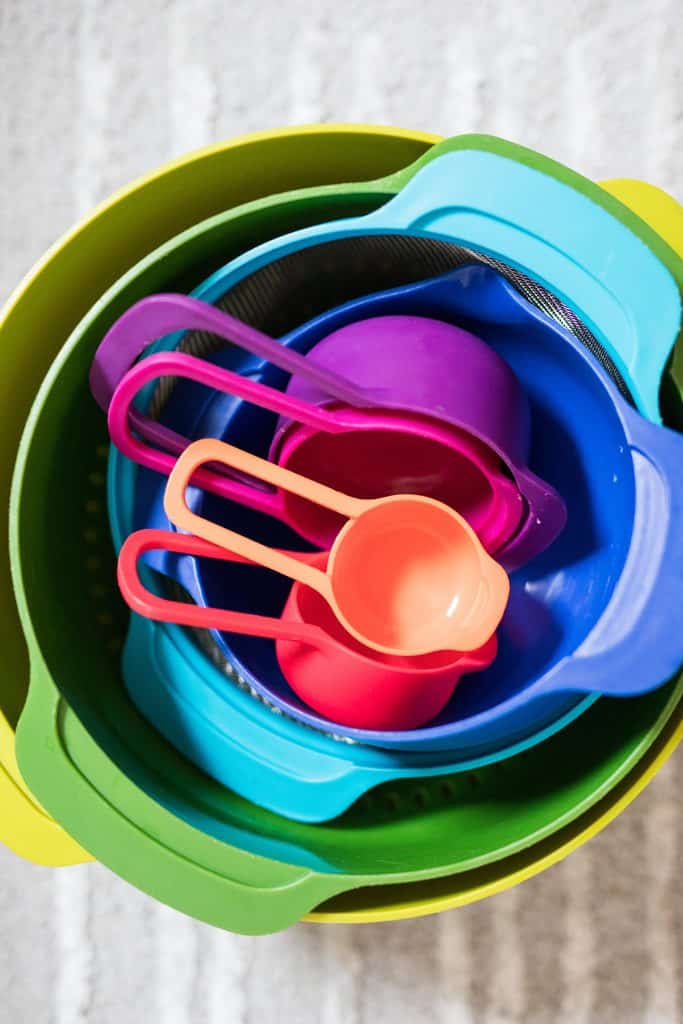
17. Plastic Mixing Bowls
Whisking and beating against a plastic bowl creates friction much like a knife on a board, just gentler and spread across more surface.
While You're Here
The Complete Wood Cutting Board Care Guide: Oiling, Cleaning & Storage
This is the reference guide, the one to bookmark instead of trying to remember the oiling routine six months from now. For...
Older bowls with a dull, scratched interior have lost material somewhere along the way. It usually isn’t visible, which is part of why this one gets missed.
Plenty of older kitchens ran on heavy glass and metal mixing bowls that lasted for decades, much like the gear in these things every 80s kitchen had.
Glass or stainless, bought once.
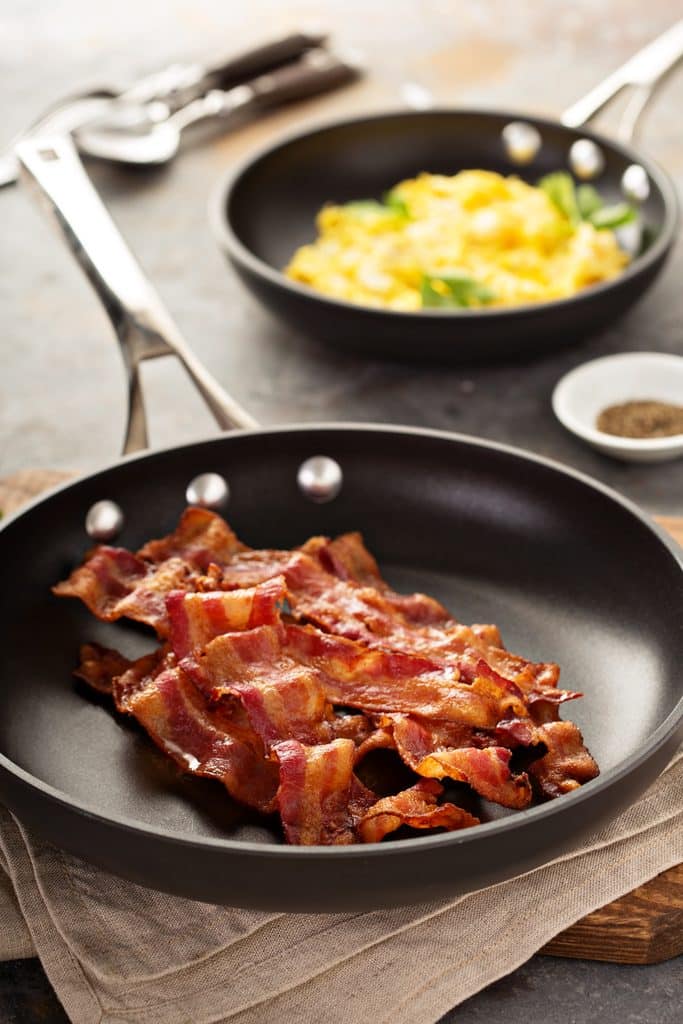
16. Nonstick Pans Once The Coating Starts Flaking
A nonstick pan in good shape is a different story from one with a scratched, peeling surface. The coating, usually PTFE, is generally considered stable when intact, so damage is the point of failure.
Metal utensils, high heat, and steel wool are the fastest ways to wear it down. Once you see flaking or deep scratches, retiring the pan is usually the sensible call, and plenty of other kitchen tools shed as they wear too.
Scratched or flaking means retired.
Halfway Check: We’re at the midpoint, and a pattern should be showing. Heat, friction, and time make plastic shed, and almost every item so far is some mix of the three.
Keep that in mind as the list moves into items with more frequent, more direct food contact.
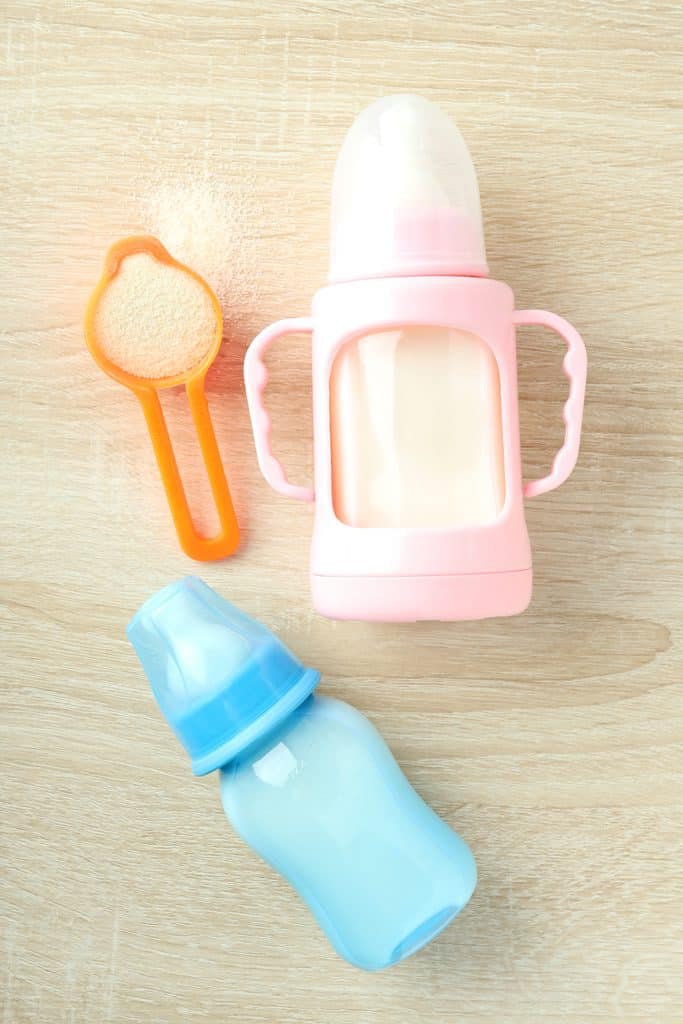
15. Baby Bottles, Sippy Cups, And Toddler Plates
This one gets attention for good reason. Plastic baby gear gets washed constantly in hot water or the dishwasher, and some research has looked specifically at plastic baby bottles and found particle release during hot-water prep and sterilizing.
Glass bottles with a silicone sleeve and stainless sippy cups are common swaps for parents who want to reduce this exposure. For feeding and formula-prep questions, a pediatrician is the right person to ask.
Once kids start school, lunch containers are the next category to look at. A simple school lunch system makes switching to stainless or glass a lot easier to stick with.
Glass or stainless where you can, and less heat on the plastic you keep.
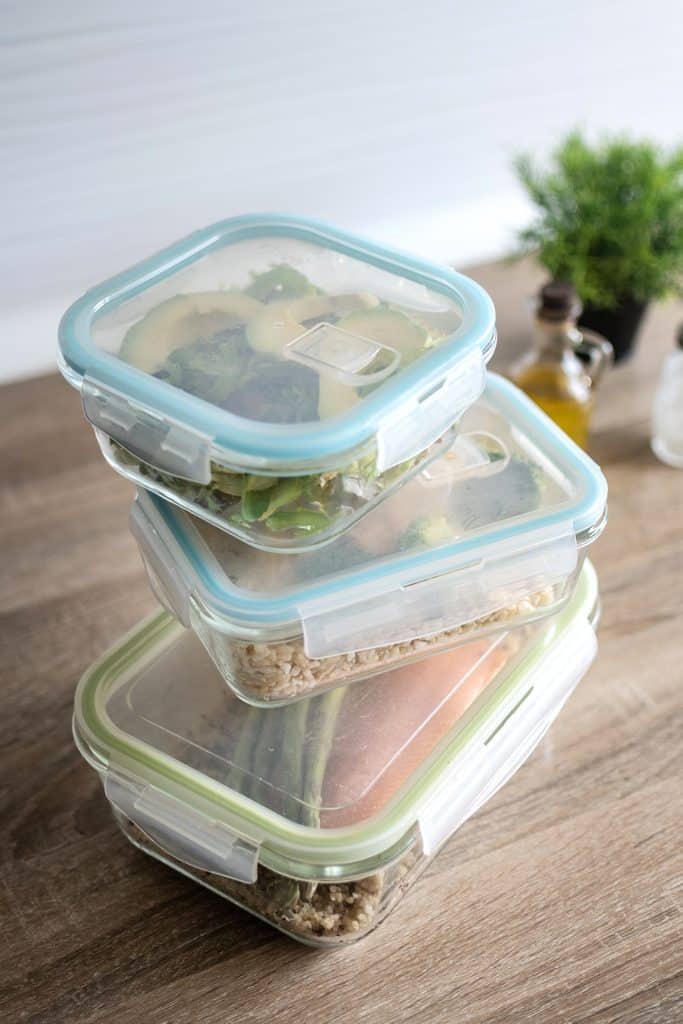
14. Everyday Plastic Food Storage Containers
The mismatched stack of plastic containers most kitchens have is probably the most-used plastic in the house. Microwaving, reheating, or storing oily food in them repeats the heat-and-fat combination meal after meal.
Glass for anything that gets reheated is the highest-value change here. Our guide to which plastic-free swaps to make first puts this drawer near the top for that reason.
Most kitchens also have far more containers than they use. Thinning the stack is a good start, and it fits right in with these things your house really doesn’t need.
Glass for reheating, plastic for dry goods.
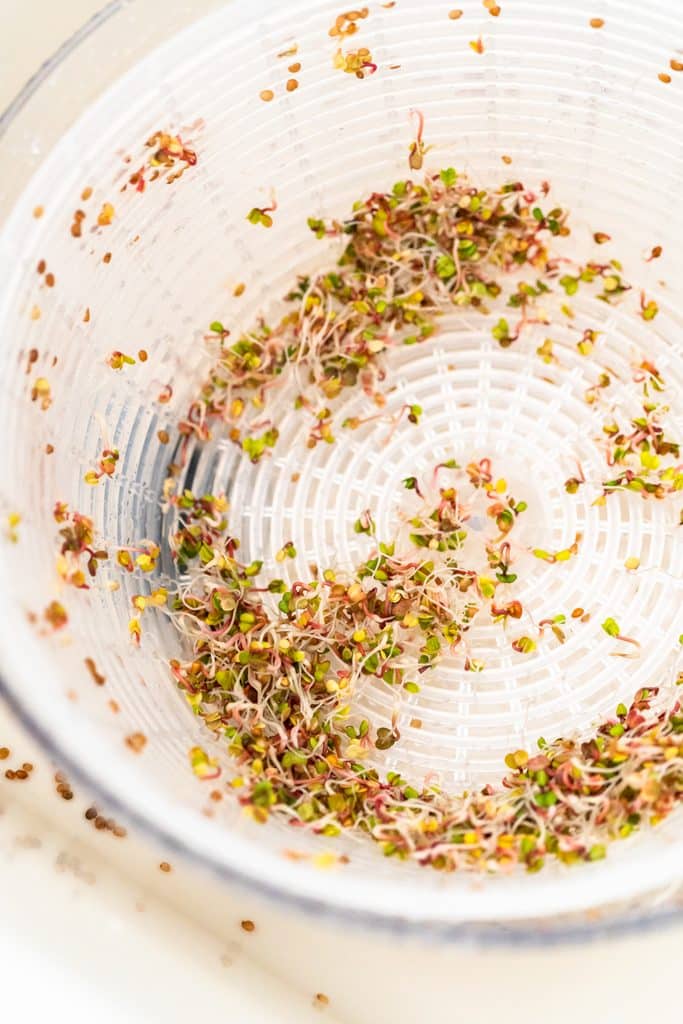
13. Plastic Salad Spinners
Salad spinners get knocked around and crammed into cabinets more than almost any other tool, and that wear adds up.
Contact here is quick, cold, and wet, which makes this a lower-stakes item than most on the list. It’s a replace-when-it-breaks swap.
Spinners with a stainless basket exist if you want one, though they’re harder to find and pricier.
Low stakes. No rush.

Jonathan grew up in New Jersey until his family moved to Germany, where he spent his youth in old-world butcher shops and French markets and learned that the best meals happen around a shared table. HardwoodChef started with one idea: make the board at the center of those moments.
Unlike plastic, it has nothing to shed into your food. Unlike glass or bamboo, its end grain is easy on your knives. And at nearly two inches thick, it’s sturdy enough to carve on and good-looking enough to serve straight from the board.
“Food brings people together. I wanted to make something worthy of sitting in the middle of it.”
Read Jonathan’s story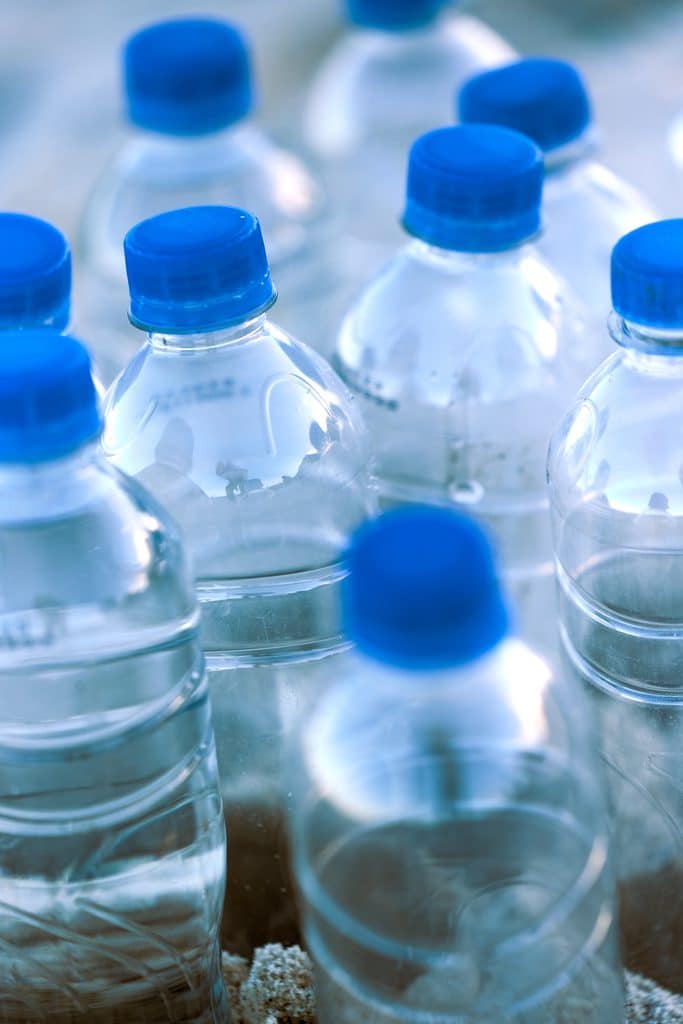
12. Reusable Plastic Water Bottles Left In A Hot Car
This is the one people forget. A bottle sitting in a hot car all afternoon is being heat-stressed for hours, not minutes.
Car interiors can climb well above the outdoor temperature on a sunny day, and some research suggests heat increases what plastic bottles release. Stainless bottles don’t share that weakness, which is part of why they’ve become standard in gym bags and lunch boxes.
The same goes for anything packed for a long drive. Stainless bottles and a few road trip snacks that travel well beat whatever’s sitting at the gas station.
Skip the bottle that baked in the car all day.
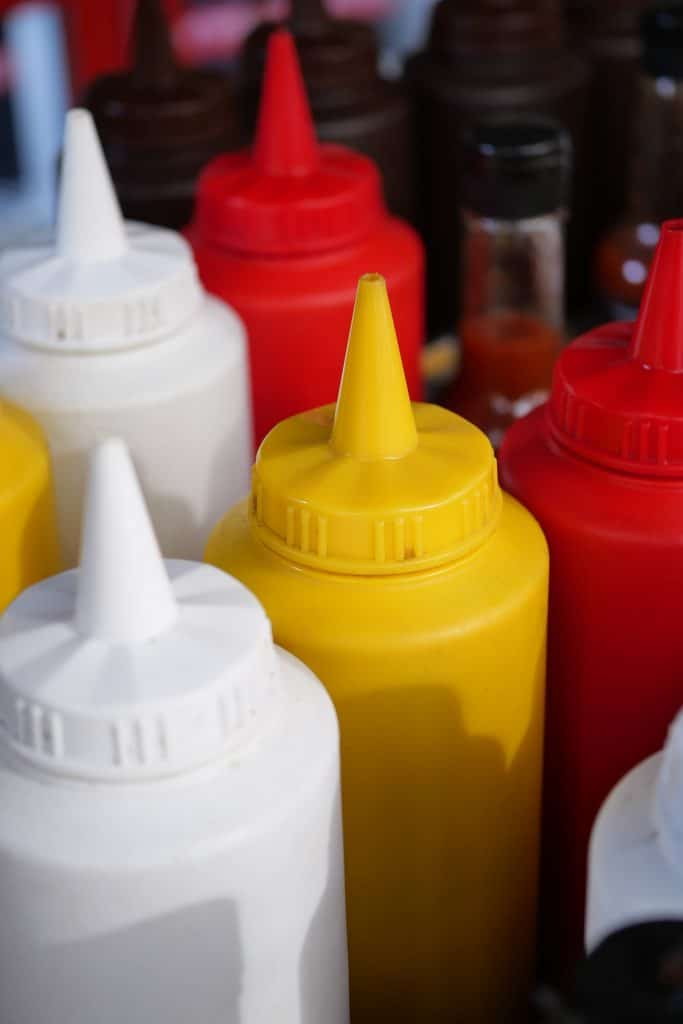
11. Squeeze Bottles For Honey, Ketchup, And Sauces
Soft squeeze bottles get compressed by hand every single use. That constant flexing is physical stress on the plastic, on top of weeks spent holding food in the fridge door.
It’s a moderate item at most. Honey in a glass jar and ketchup decanted into a glass bottle are easy swaps if you want them, but this isn’t one to lose sleep over.
Moderate priority. Glass jars for honey are an easy win.
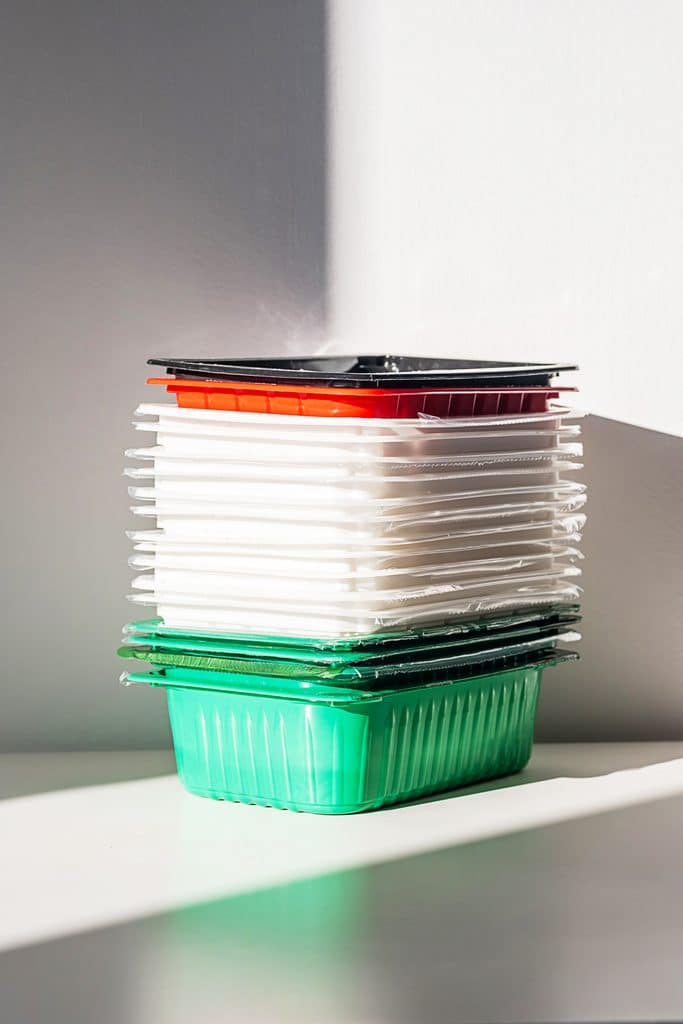
10. Frozen Dinner Trays Microwaved In Their Own Packaging
Some frozen meal trays are labeled microwave-safe and some aren’t, and it’s easy to stop checking after a while.
Even when the label says microwave-safe, that generally speaks to the tray holding its shape under heat. It doesn’t necessarily say anything about what moves into a hot, often fatty meal, so plating the food first takes plastic out of the picture where the instructions allow.
Frozen food itself isn’t the problem, and some of it holds up nutritionally better than you’d think, as these frozen foods that can beat fresh show. It’s the tray that’s worth swapping out.
Plate it before you heat it, when the box allows.
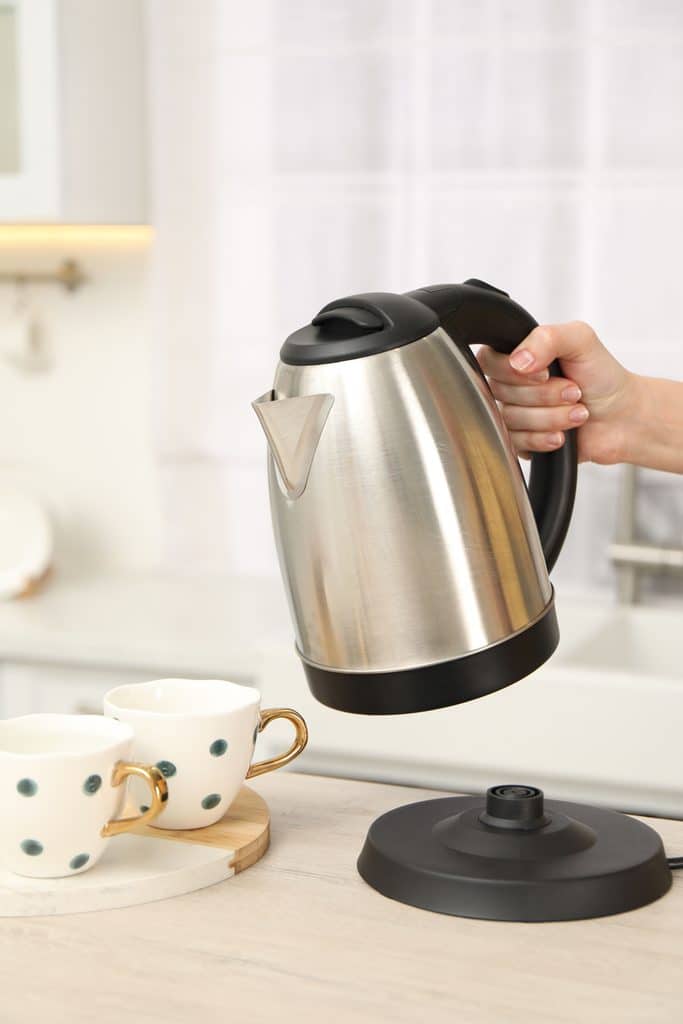
9. Electric Kettles With Plastic Interior Parts
Boiling water every day inside a kettle with plastic walls, a plastic water window, or a plastic filter puts heat and direct contact together on repeat.
Plenty of kettles sold as stainless still have plastic parts touching the water, so read the product details. Full stainless or glass kettles exist specifically to avoid this, and they’re not much pricier than plastic ones anymore.
Check the lid, filter, and window, not just the body.
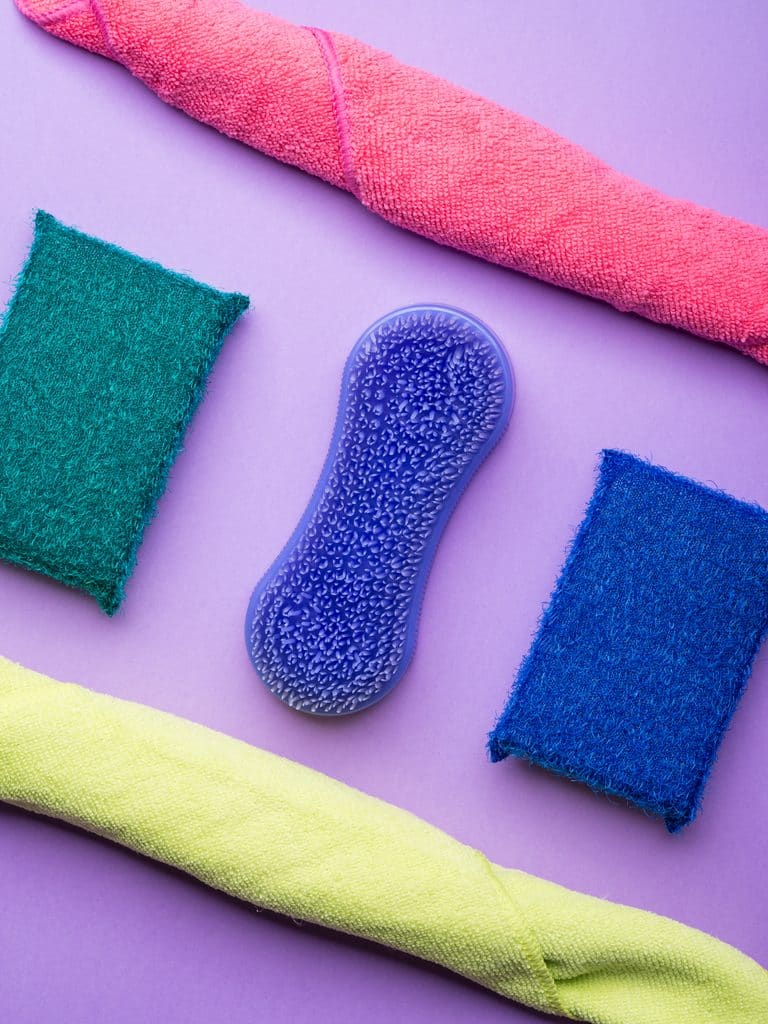
8. Kitchen Sponges With A Plastic Mesh Scrubbing Side
This one surprises most people. The green scrubby side of a standard sponge is usually synthetic plastic mesh, not a natural fiber.
You’re dragging that mesh across plates, pans, and boards, and it sheds as it wears, which is more or less how it cleans. Loosened fibers go down the drain or stay behind on the clean dish.
Cellulose sponges or a wood dish brush with plant-fiber bristles handle most of the same jobs. A wooden brush is the kind of thing grandparents used without a second thought, along with plenty of other old-school household habits worth bringing back.
Cellulose sponge or a wood brush. Same clean, less plastic.
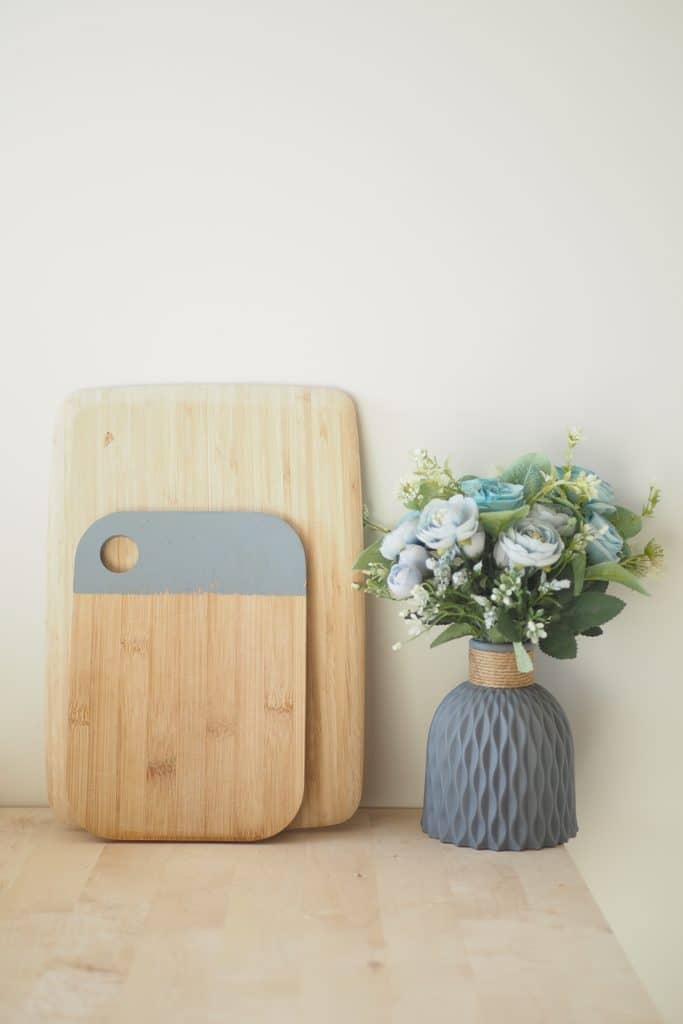
7. Bamboo Composite Cutting Boards Held Together With Plastic Resin
This one needs some nuance. Plenty of people already made the switch to bamboo, and the picture there is more complicated than the marketing suggests.
Most bamboo boards are thin strips laminated together with adhesive, and some lower-cost bamboo products are made from bamboo fiber bound with a melamine-type resin. How much binder ends up in the cutting surface varies a lot by product.
Under a knife, a resin-heavy composite can behave more like plastic than wood. It’s worth checking how a bamboo board is made before assuming it’s the cleaner choice, and our full breakdown of wood versus plastic versus bamboo covers the details.
Dig Deeper
How to Choose the Right Wood Cutting Board for Your Kitchen
Walk down a cutting board aisle and it's a wall of options that all look roughly the same. They aren't, and the...
Myth: Any bamboo board is automatically plastic-free.
Reality: It depends on how it’s made. Solid hardwood boards, including the acacia end-grain boards we make at HardwoodChef, use glue at the joints too, but the cutting surface itself is solid wood rather than a fiber-and-resin composite.
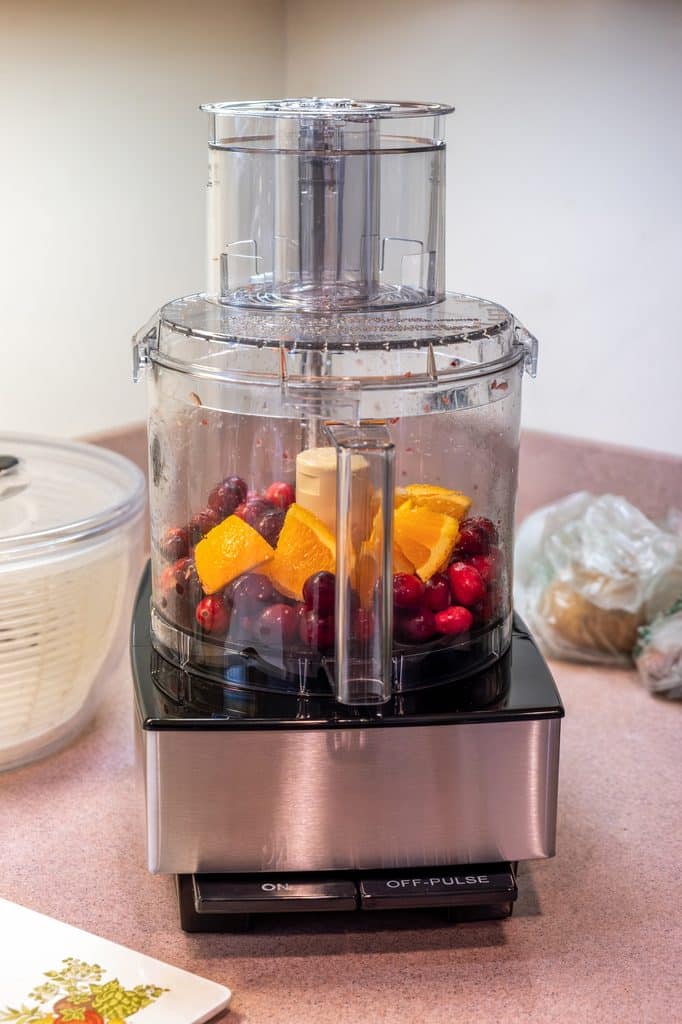
6. Plastic Blender Pitchers And Food Processor Bowls
Blades spinning at high speed inside a plastic pitcher, often against ice or frozen fruit, is about as much friction as a kitchen tool sees in normal use.
That wear shows up over time as a cloudy, scuffed interior. A glass pitcher addresses most of it, though the blade base and gasket are usually still plastic or rubber.
Since a new pitcher often means a new blender, this one makes the most sense when the current machine is due.
Go glass at replacement time.
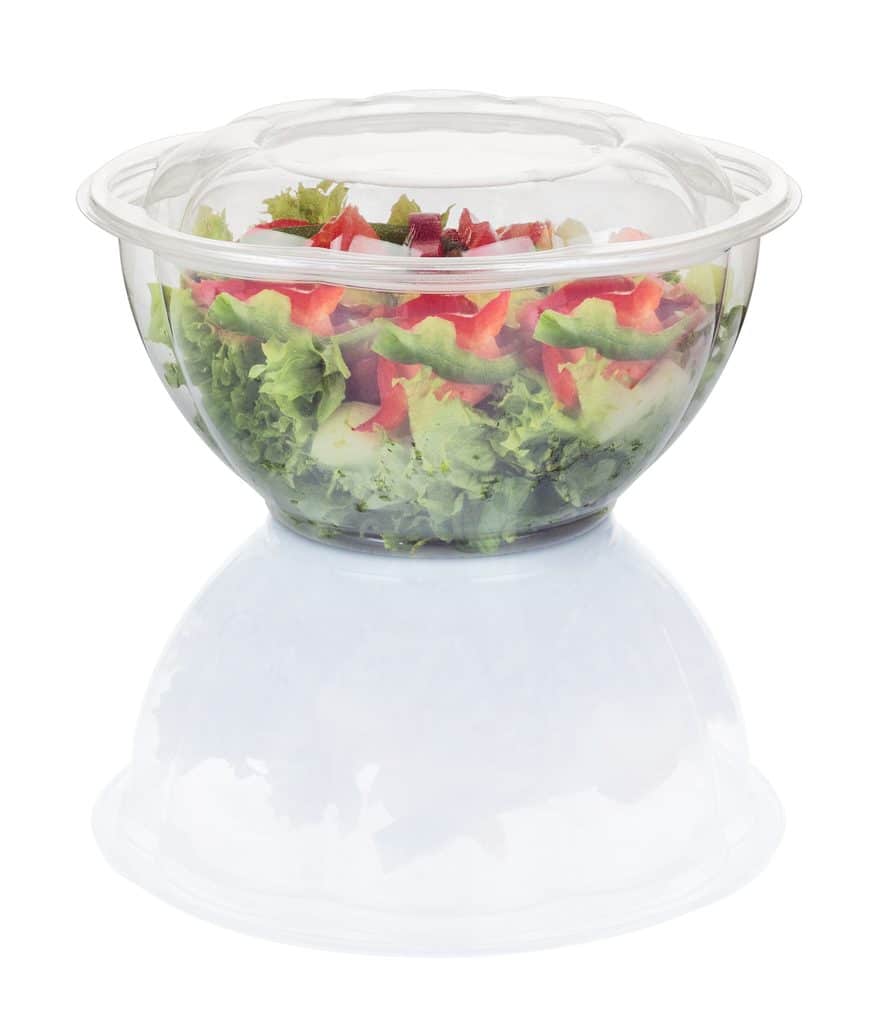
5. Plastic Salad And Serving Bowls
Tossing an oily, acidic salad in a plastic bowl combines fat and acid at once, two of the conditions this list keeps flagging.
Wood and ceramic bowls handle vinaigrette sitting against them through a long dinner without the same question. If you’re shopping for one, there’s a quick guide to matching bowl size and material to how you entertain.
Once you have a good bowl, fill it with something new. These underrated fruits and vegetables make a salad a lot more interesting than another round of iceberg.
Wood or ceramic for anything dressed.
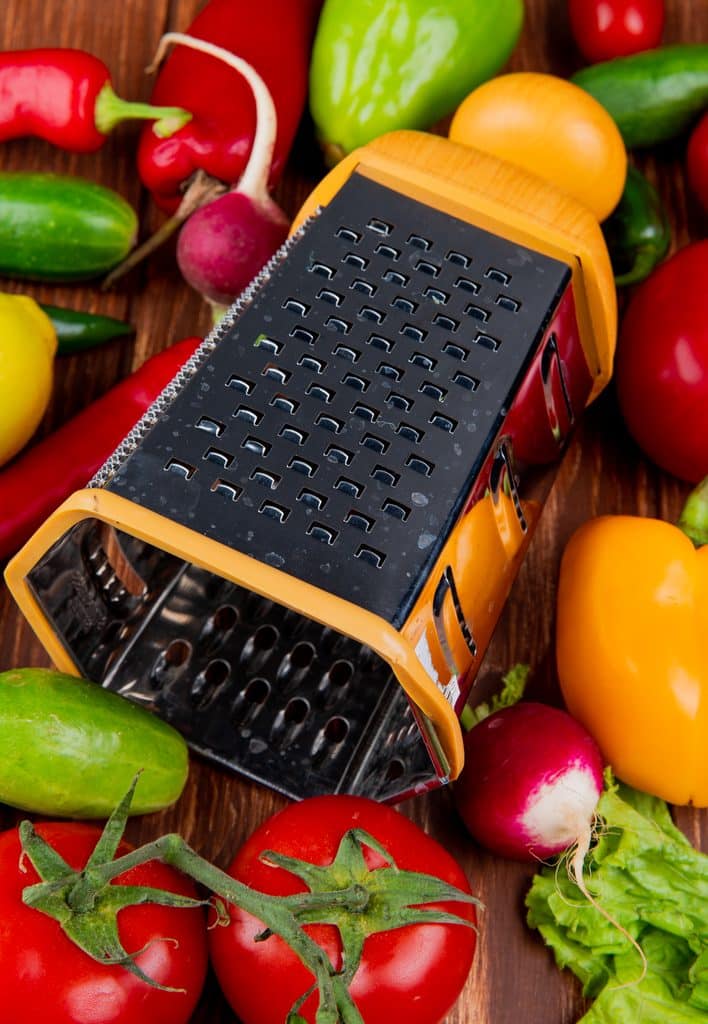
4. Plastic-Handled Graters, Peelers, And Can Openers
Small tools with plastic parts near the food, like a grater’s frame or a can opener’s gears, get overlooked because each one seems minor.
Individually, they are minor. As a group of five or six tools in one kitchen, though, they add up to more contact than people expect, which is why the category ranks this high.
There’s no need to replace them all at once. Swapping to all-stainless versions as each one wears out handles it over time.
Stainless versions as the old ones break.
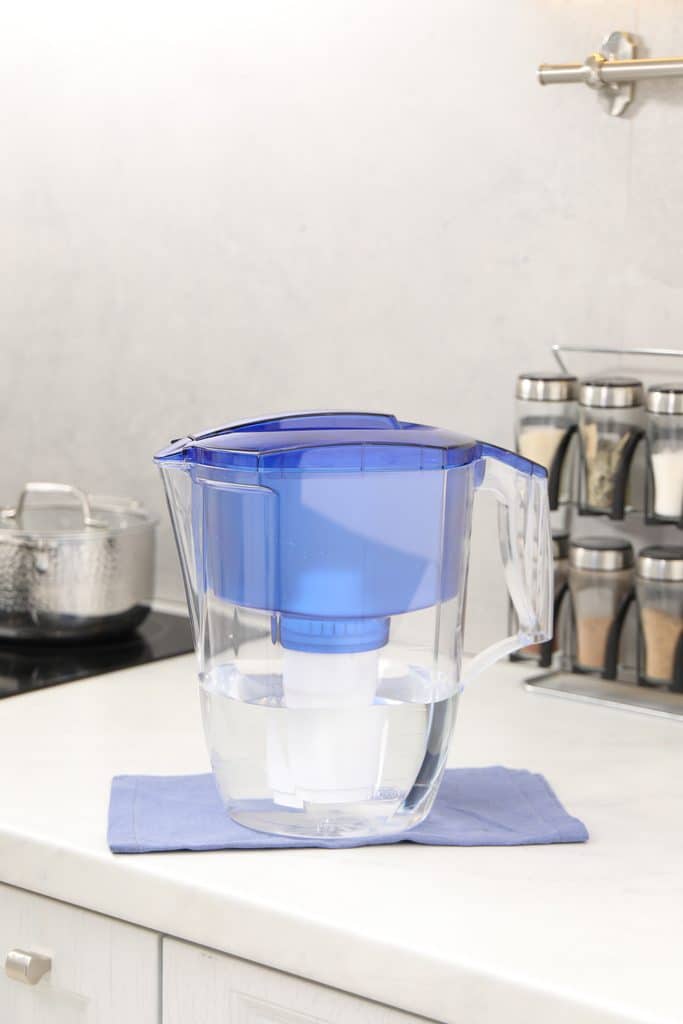
3. Plastic Water Filter Pitchers Sitting In The Fridge
This one is counterintuitive. You buy a filter pitcher to make your water cleaner, and the pitcher itself is plastic, holding water for days at a time.
The filter does reduce some contaminants, depending on the model. It doesn’t change the plastic reservoir holding the water before and after filtering, or the plastic housing around the cartridge.
Glass and stainless filter pitchers exist, though they’re less common and a bit pricier. For a device bought specifically to improve water quality, it’s a reasonable place to spend a little more.
Keep filtering, and consider a glass reservoir.
Readers Can't Stop Opening These
★ Plastic-Free Kitchen Swaps: What to Replace First
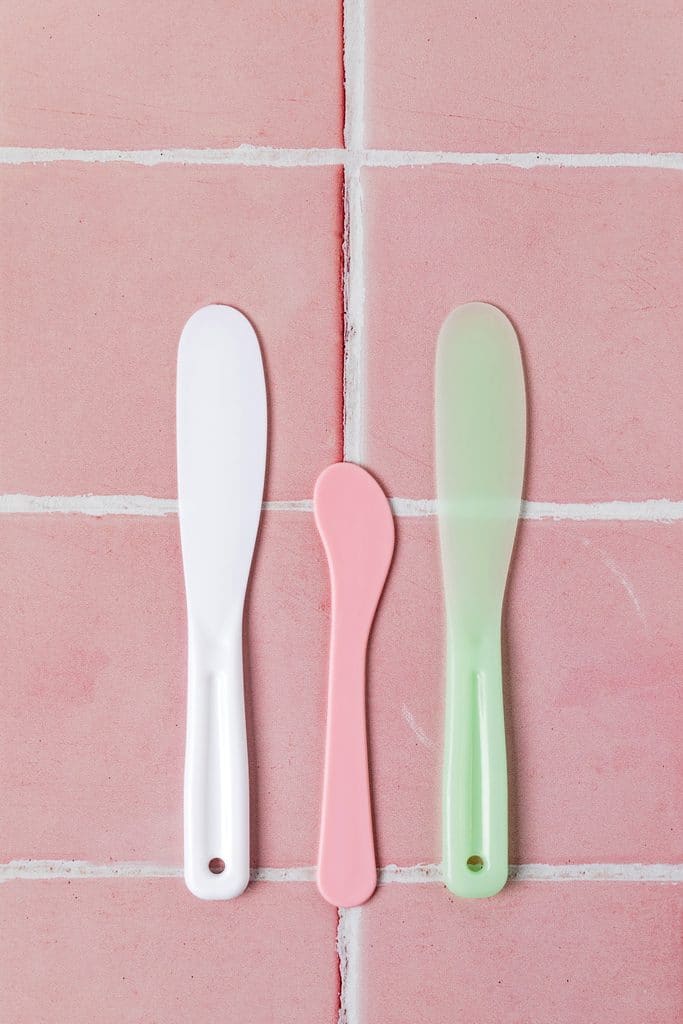
2. Plastic Spatulas, Tongs, And Stirring Utensils Used Over High Heat
Almost every stovetop utensil set includes a few plastic or nylon pieces, and they get used right where the heat is highest.
A spatula that’s gone soft, warped, or slightly melted at the edge has lost material somewhere, and some of it likely ended up in the pan. Heat plus scraping is the combination this list ranks highest for a reason.
Wood or stainless tools handle the same jobs. Silicone is a common middle ground, generally considered more heat-stable than most plastics.
A melted edge means it’s done.
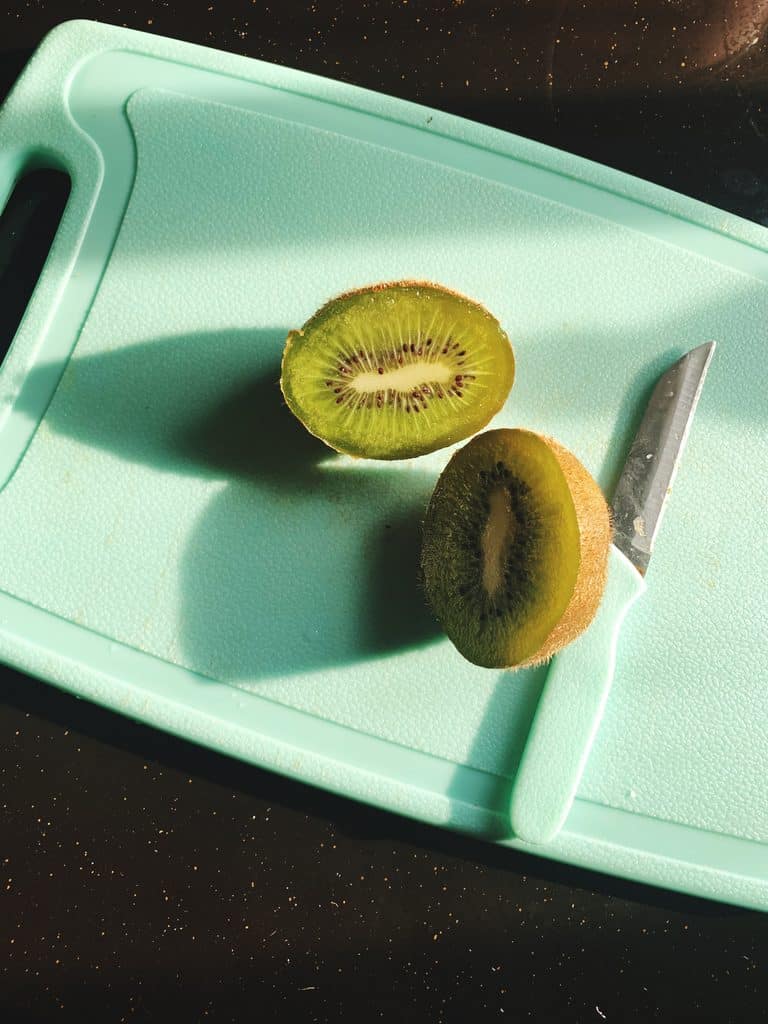
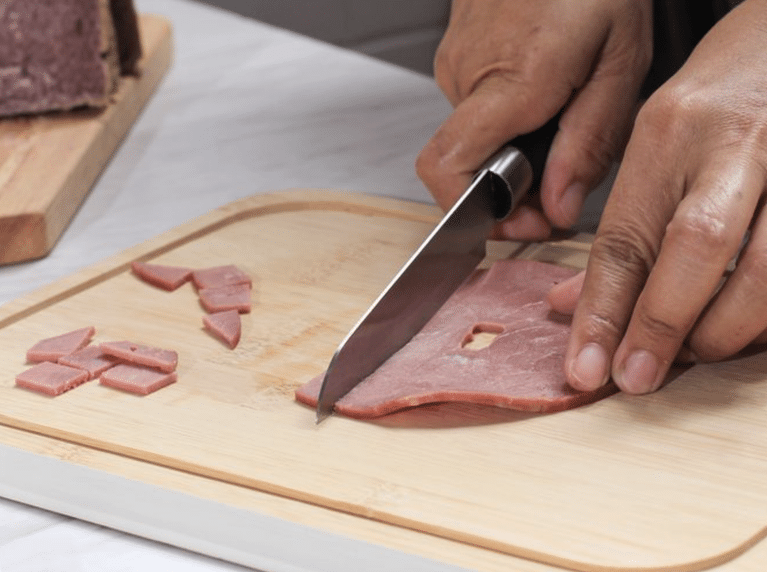
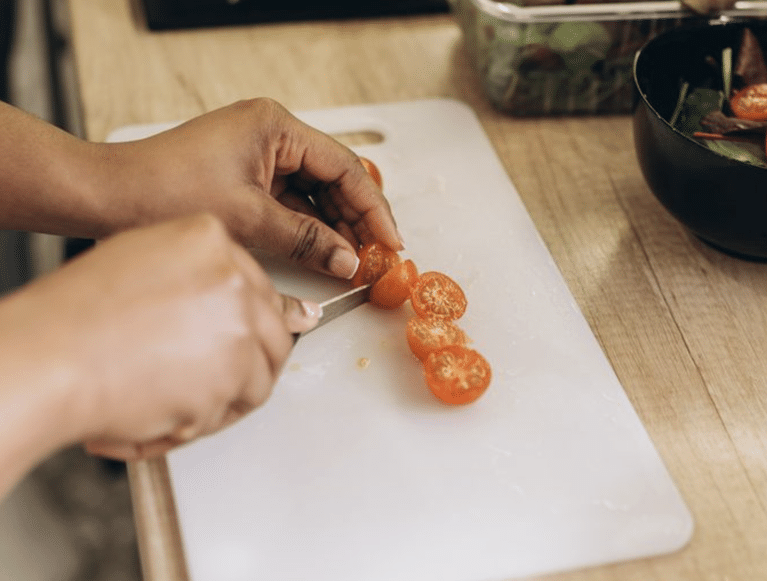
1. Plastic Cutting Boards, Especially Ones With Deep Knife Scarring
Here it is. Of everything on this list, the cutting board touches your food most directly, most often, and with the most force behind it.
Every knife stroke across plastic leaves a groove, and research on plastic boards has generally found that this scoring releases small fragments, with amounts varying by board and technique. Those grooves also trap moisture and food bits, and they get harder to clean as the board ages.
A board that looks fine from across the kitchen can feel rough up close. Run a finger across yours, and our guide to telling whether a board is shedding plastic covers what to look for.
This is the item most worth replacing rather than just noting, since it’s the one you probably use every day. End-grain hardwood tends to let knife marks close back up with oiling instead of scarring permanently, and a HardwoodChef acacia end-grain board, cared for like most solid hardwood, tends to outlast several plastic replacements.
If you only make one change from this whole list, most people start here, especially once they see what it takes to make a wood board last for decades instead of years.
If you change one thing, change the board.
Before You Go
Thirty-one items is a lot to hold in your head, so here’s the compressed version.
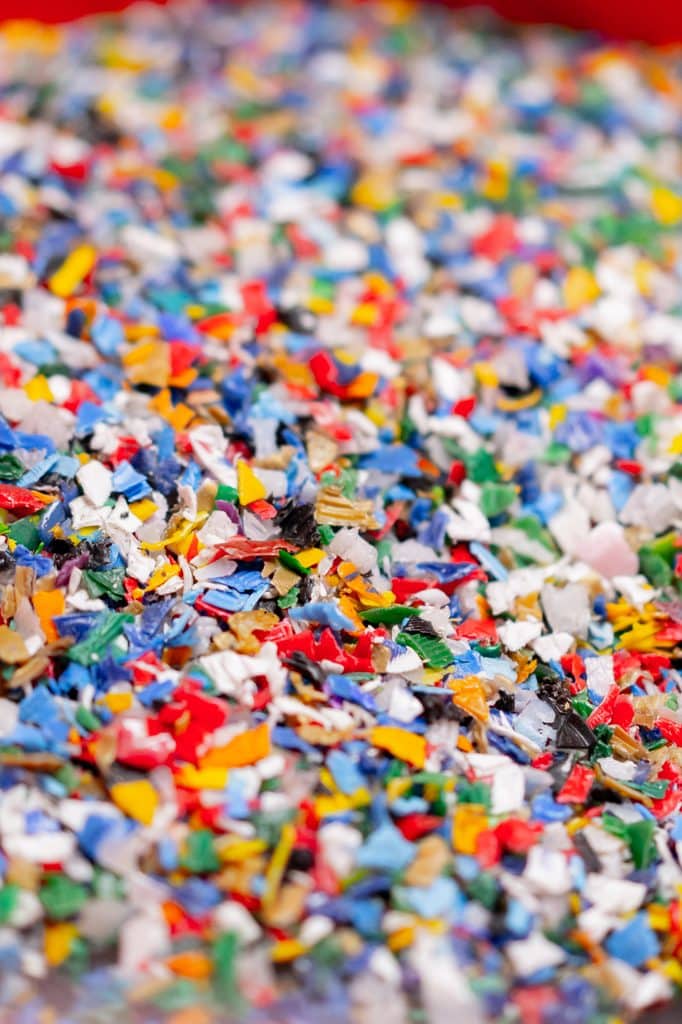
Heat, friction, and time are what make plastic shed into food. Almost everything above is some combination of those three.
If you only fix a few things, start with the cutting board, the utensils you use over direct heat, and anything you regularly microwave in its own container.
Everything else is worth knowing about, but not all of it is worth worrying about. Ice trays, produce bags, and salad spinners can wait, and a bamboo board deserves a closer look rather than an automatic replacement.
Small, permanent swaps in the highest-contact spots tend to matter more than overhauling a kitchen in one weekend. For the science behind all of this, our look at what the research on kitchen microplastics shows goes deeper.
If you’d rather work through it step by step, this practical plan for cutting microplastics in your kitchen lays the swaps out in an easy order.