11 Kitchen Tools Quietly Shedding Microplastics Into Your Meals

You already know the cutting board conversation. Plastic versus wood, which one sheds, which one doesn’t, you’ve heard it. We covered the wider list of everyday culprits here if you missed it.
What most people haven’t thought about is everything else touching their food between the fridge and the plate. Strainers, tongs, ice trays, the gasket on your blender.
None of it looks dangerous. It’s just kitchen stuff, the things you reach for without thinking twice.
But a lot of these tools are made from plastics that break down with heat, friction, or age, and some of that ends up in whatever you’re cooking. Not in dramatic amounts, and not with certainty about what it means long term, but often enough that it’s worth knowing where to look.
Here are 11 tools that are probably shedding more than you’d guess, counting down to the one that’s doing it every single day.
11. Melamine Dishes and Utensils
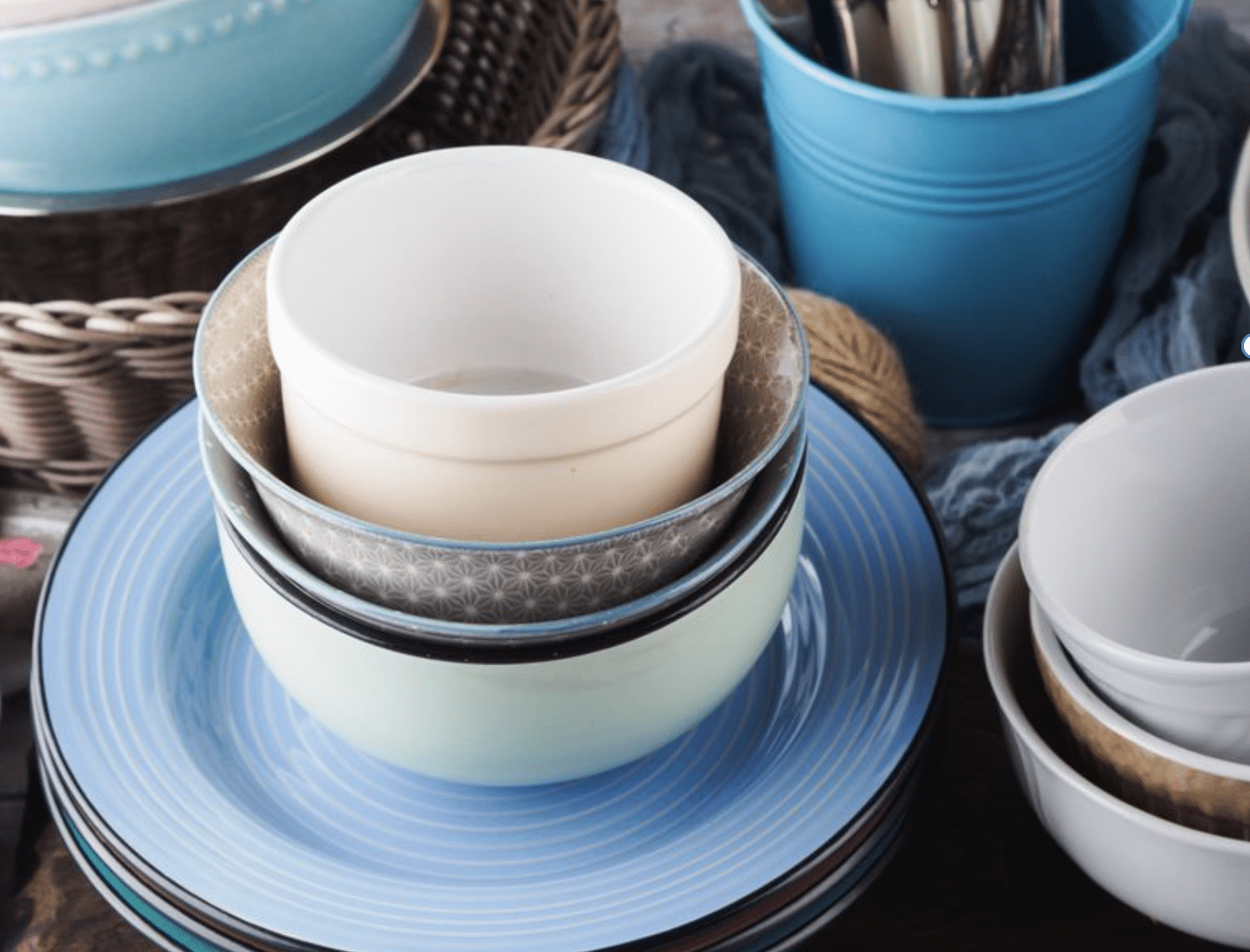
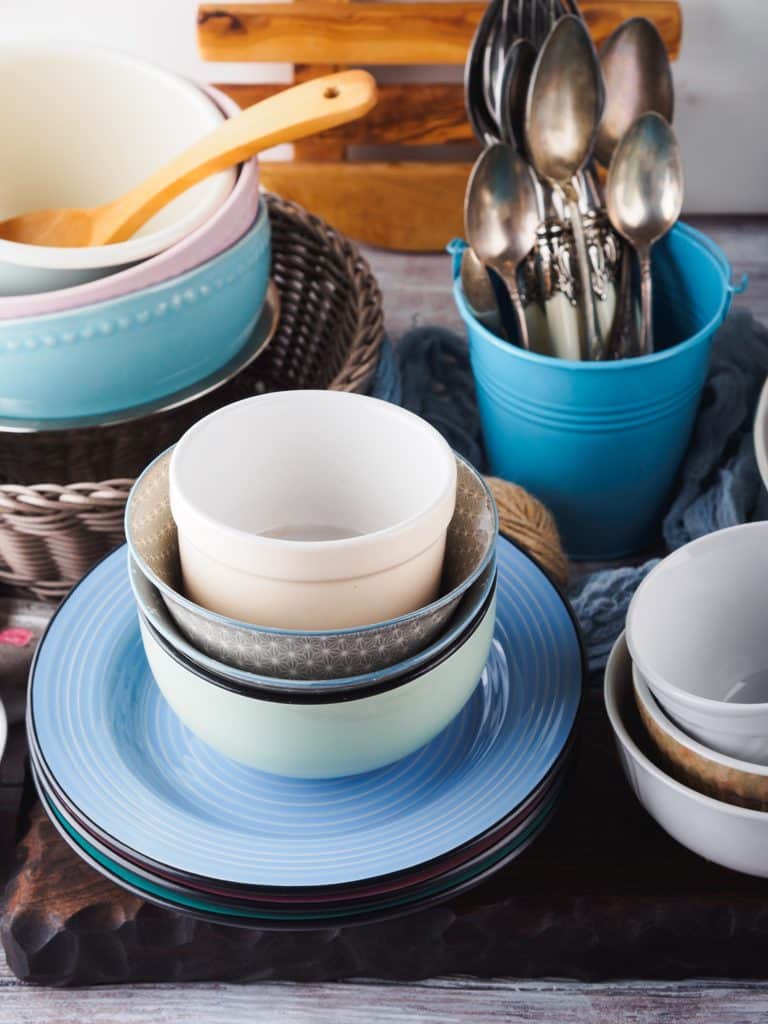
Melamine looks and feels like ceramic. It’s not. It’s a plastic resin, and it’s a lot less inert than people assume.
Scratches from metal utensils or the dishwasher’s heat cycle can cause it to break down faster than intact melamine, particularly with hot or acidic food. It’s one of the more common kitchen misconceptions, since the finish genuinely fools people into thinking it’s a ceramic-safe material. Our guide to what the research actually shows covers why heat and wear matter so much across materials like this.
Bottom line: fine for cold, dry snacks. Skip it for anything hot, acidic, or scooped with metal.
10. Plastic Can Openers
The gears inside most budget can openers are plastic, and they’re grinding against metal every time you use them. That friction produces fine particulate that can end up on the can rim, right where your food is.
It’s a small, occasional exposure. Nobody needs to panic over a can opener. But a stainless steel one costs about the same and skips the issue entirely.
9. Blender Gaskets and Seals
The rubber or silicone ring under a blender blade takes a beating. Heat from soups and friction from ice wear it down gradually, and a lot of people never replace it until it’s visibly cracked.
Worn gaskets shed more than intact ones, and they’re an easy, cheap swap most people just never think to make.
Quick Facts: most blender manufacturers sell replacement gaskets for a few dollars, and swapping one takes under a minute. There’s no real reason to wait until it’s visibly cracked.
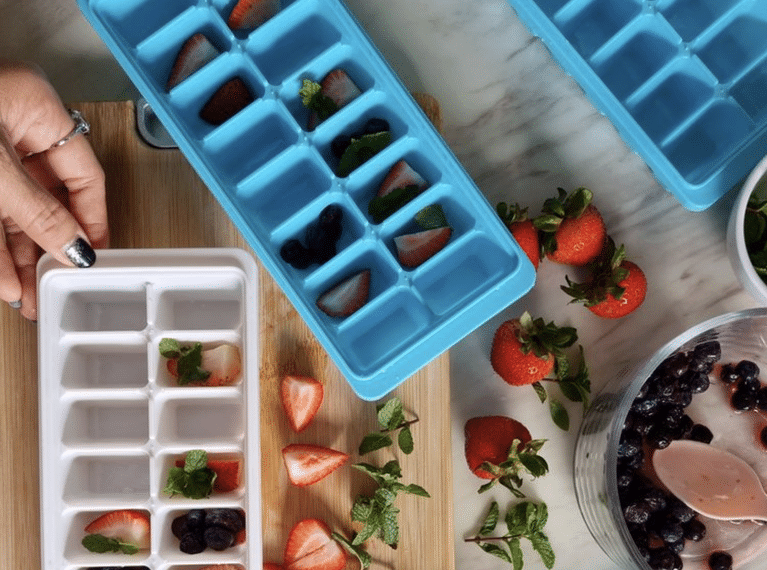
8. Plastic Ice Cube Trays
Freezing and thawing over and over makes plastic brittle. Combine that with the twisting motion most people use to pop cubes loose, and you’ve got repeated mechanical stress on the same spots, again and again.
Silicone trays flex without that same fatigue pattern, which is part of why they’ve mostly taken over.
7. Nylon Mesh Tea Bags and Infusers
This one surprises people. Those silky, pyramid-shaped tea bags that look premium are often woven nylon or PET plastic, not paper.
Steeping plastic mesh in near-boiling water is about as direct a route to ingestion as kitchen tools get. Loose-leaf tea with a metal infuser sidesteps the whole thing, and it’s usually cheaper per cup anyway. It’s one of the swaps we cover in our 27 plastic-free kitchen swaps roundup too.
6. Plastic Funnels
Small, easy to overlook, and often used for hot liquids like broth or melted fat going into storage containers. The combination of heat and a narrow, high-friction spout isn’t nothing.
Stainless steel funnels aren’t expensive, and they hold up to heat without the same concern.
5. Mesh Produce and Pasta Strainers
Plastic colanders and strainers see constant abrasion from scrubbing, plus repeated contact with boiling pasta water. The mesh holes are exactly the kind of high-surface-area design that wears fastest.
A metal strainer costs a little more up front and basically never needs replacing, which evens things out over time.
4. Plastic Dish Scrub Brushes
The bristles on plastic scrub brushes are designed to wear down. That’s how they clean. It also means they’re shedding fine plastic fibers directly onto the dishes you’re about to eat off of.
Once the bristles start splaying or shortening unevenly, that’s a sign it’s shedding faster than it did when new.
3. Worn Plastic Spatulas and Turners
Scraping a hot pan edge over and over is a slow grind, literally. Look at the edge of any plastic spatula that’s a few years old and you’ll usually see it’s rounded, chipped, or feathered where it used to be a clean edge.
That missing material didn’t evaporate. Some of it went into the pan. Wood or silicone tools tend to hold their shape longer under the same use.
2. Flexible Plastic Storage Lids
The soft, squeezable lids on a lot of food storage containers get snapped on and off hundreds of times, and that repeated flexing is exactly the kind of stress that breaks down plastic at a microscopic level.
Microwaving food under those same lids adds heat into the mix, which speeds things up further.
Quick fix: pop the lid off before microwaving, even if it says microwave-safe. The rating covers melting, not shedding. It’s one of the habits we dig into further in 10 toxic kitchen habits you didn’t know you had.
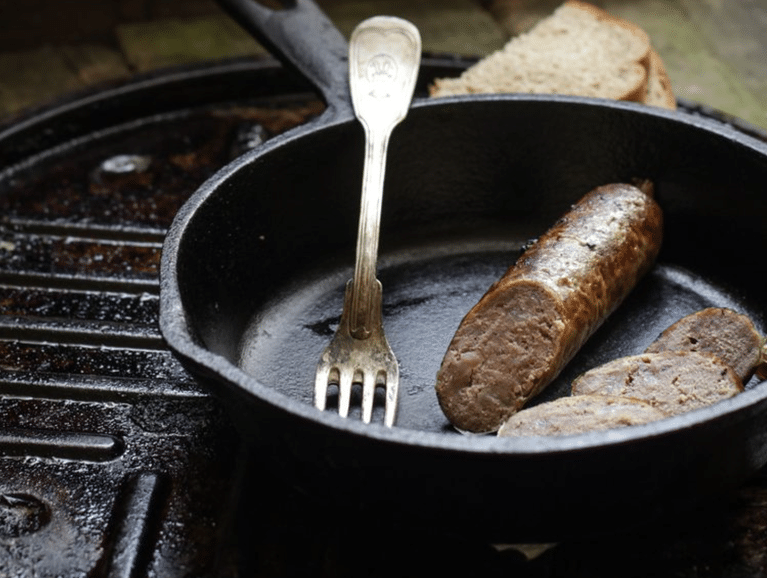
1. That Nonstick Pan You Use Every Single Day
This is the one that surprises people most, mostly because nonstick pans don’t look plastic. They look like metal with a coating.
That coating is a polymer, and it’s designed to be slick, which also means it’s designed to release easily. Scratches from metal utensils, overheating an empty pan, and the dishwasher all accelerate how fast that coating breaks down.
Once you see flaking, discoloration, or a pan that’s lost its slickness in patches, that’s coating that’s already come off somewhere, and it was probably in food before you noticed the pan looked different.
This is also the tool people are most reluctant to give up, since nonstick is genuinely convenient. A reasonable middle ground is treating a scratched or discolored pan as done, rather than stretching it another year, and using wood or silicone tools on it in the meantime to slow the wear. The same logic applies to your cutting board, our 9 warning signs checklist covers what to look for there.
If you’re already rethinking your cutting surface too, something like an end-grain wood board holds up the same way over years of knife contact without this same slow breakdown. We’ve got a full rundown on what keeps a wood board going for decades if you want the longer version.
Before You Go
Nobody’s kitchen needs to be plastic-free by next weekend. That’s not realistic, and it’s not really the point.
If you only fix three things off this list, make it the nonstick pan once it’s scratched, the storage lids you microwave under, and the tea bags. Those three see the most heat and the most contact, which is where shedding matters most.
Everything else on here is worth knowing about. It just doesn’t need to keep you up at night.