Wood vs. Plastic vs. Bamboo: A Complete Material Safety Comparison

Ask three different kitchen sites which cutting board material is “best” and you’ll get three confident, contradictory answers. That’s usually a sign nobody’s actually weighing the tradeoffs honestly.
Here’s an attempt at doing that. Wood, plastic, and bamboo, compared on the things that actually matter: safety, durability, hygiene, cost, and how much care each one demands.
Safety and Shedding
Plastic boards shed microplastic particles as they wear, with rougher and more scored boards shedding more than newer ones. That’s fairly well established at this point across multiple studies, even though exact particle counts vary a lot by methodology, and we cover the research in more depth in our full research overview.
Wood and bamboo don’t shed microplastics, for the obvious reason that neither is plastic. That’s a genuine point in their favor.
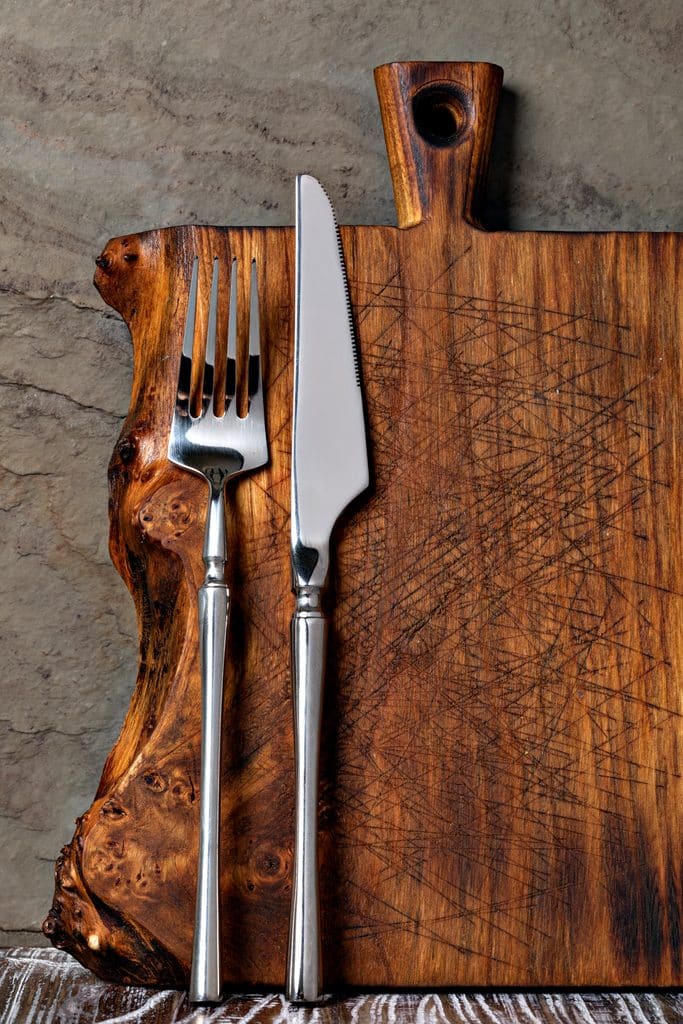
Where it gets more nuanced: wood and bamboo that’s cracked, poorly sealed, or heavily gouged can harbor bacteria in ways a smooth, well-maintained plastic board generally doesn’t. Some research on wood’s natural antibacterial properties is genuinely interesting, but it doesn’t mean a neglected wood board is automatically safer than a well-kept plastic one.
The honest takeaway: material matters less than maintenance. A poorly cared-for board of any material is a bigger risk than the material choice itself. If you’re not sure where your current board stands, our warning signs checklist walks through what to look for.
Durability
This is where the three materials separate the most clearly.
Plastic boards generally have the shortest useful life, often somewhere in the range of one to three years under regular use before scoring gets deep enough to warrant replacement. They’re also the cheapest to replace, which somewhat offsets the shorter lifespan.
Bamboo sits in the middle. It’s technically a grass, not a wood, and it’s harder and more moisture-resistant than most hardwoods, but that hardness can also be tougher on knife edges over time. Bamboo boards can last several years with decent care, though they’re more prone to cracking than solid hardwood if they dry out too quickly.
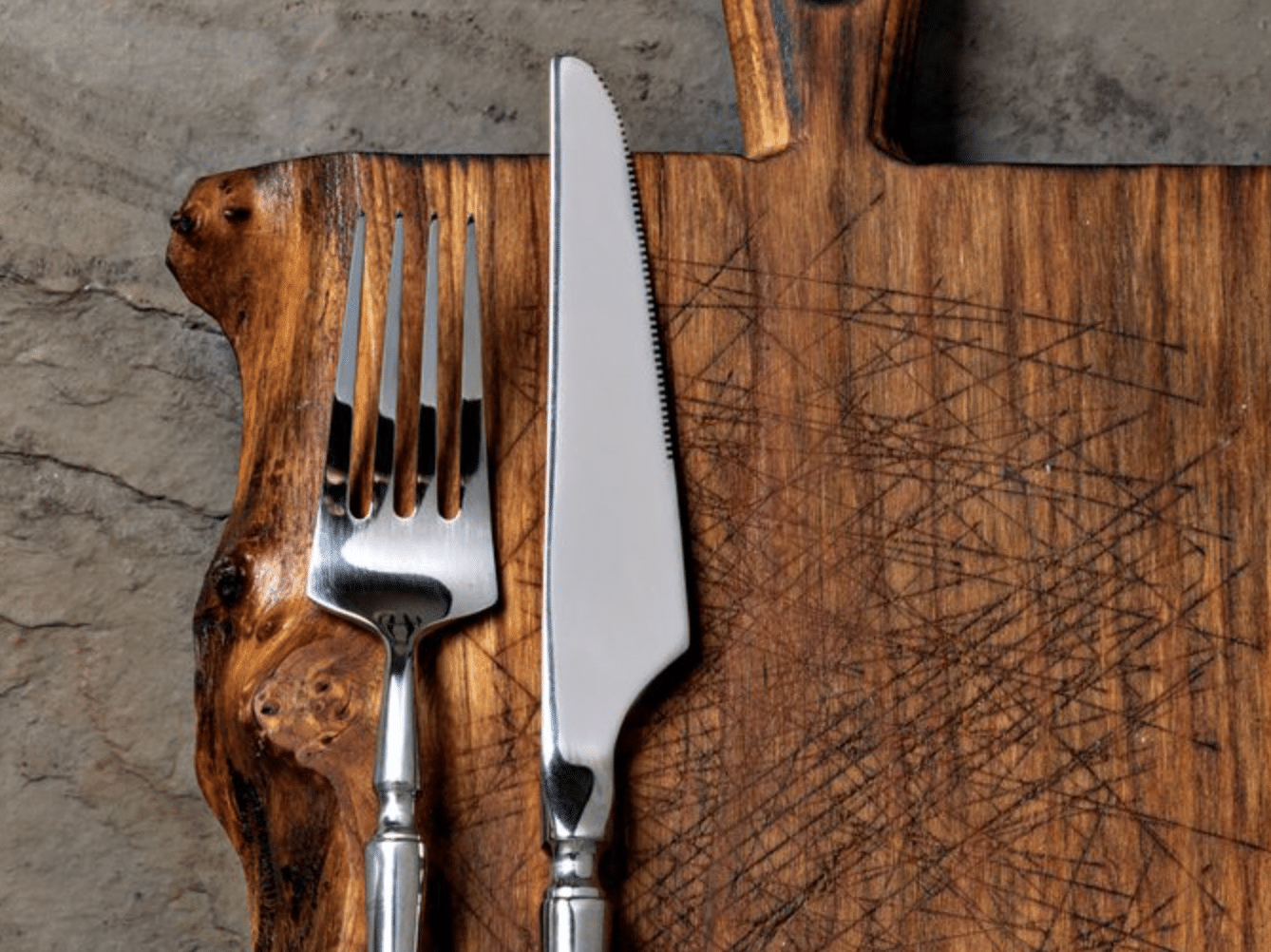
A well-maintained hardwood board, especially end-grain construction, tends to last the longest of the three, often a decade or more with regular oiling. The tradeoff is the upfront cost and the ongoing care it takes to get there.
Knife Friendliness
This one matters more to people who cook a lot, and it’s often overlooked in safety-focused comparisons.
End-grain wood boards are generally considered the gentlest on knife edges, since the fibers part around the blade rather than resisting it. Bamboo’s hardness, while durable, tends to dull knives faster than wood. Plastic falls somewhere in between depending on thickness and quality.
If you sharpen your knives often and care about edge retention, this is a real factor, not just a nice-to-have. Our 19 ways to make a board last a lifetime covers knife-friendly habits alongside the material choice.
Cost
Plastic wins on upfront cost by a wide margin, typically $10-25 for a decent board. Bamboo tends to land in a similar or slightly higher range, often $20-40. Hardwood boards cost the most upfront, commonly $50-150 depending on size and construction.
The cost picture shifts when you factor in lifespan. Replacing a plastic board every couple of years versus keeping a hardwood board for a decade narrows the gap considerably on a per-year basis, though plastic still tends to come out cheaper overall for someone who wants the lowest possible upfront spend.
Care Burden
Plastic is the lowest-maintenance option by a clear margin. Most are dishwasher-safe and need essentially no upkeep beyond regular washing.
Bamboo needs hand washing and occasional oiling, similar to wood, though it’s somewhat more prone to cracking if it dries out too fast, so consistency in care matters more.
Wood needs hand washing, thorough drying, and periodic oiling, typically monthly for a board in regular use. That’s a genuine ongoing commitment, not a one-time setup. For anyone weighing this tradeoff, our complete wood board care guide covers exactly what that routine looks like in practice.
Where Wood Genuinely Isn’t the Best Answer
Being fair means saying this part plainly. If you want a board that goes in the dishwasher, needs zero maintenance routine, and you’re not concerned about the microplastics angle specifically, plastic is a completely reasonable choice, not a mistake.
Wood also isn’t ideal for someone who travels often or has an inconsistent kitchen routine, since a board that dries out between long gaps in care is more likely to crack. A busy household that won’t realistically keep up with oiling is often better served by a good plastic or bamboo board than a hardwood one that ends up neglected.
The Bottom Line
There’s no single correct answer here, despite what a lot of content on this topic implies. Plastic wins on cost and convenience. Bamboo splits the difference. Hardwood wins on longevity and knife friendliness, at the cost of more upkeep and a higher price up front.
If the microplastics angle is your main concern and you’re genuinely willing to keep up a basic oiling routine, hardwood is the strongest fit. If low maintenance matters more than material, plastic remains a defensible choice as long as you’re replacing it before it gets heavily worn.
If you land on wood, our guide to choosing the right one covers wood type, thickness, and grain orientation for different kitchen setups.