9 Salad Bowl Mistakes That Are Wilting Your Greens Faster

A salad that’s crisp when you make it and sad twenty minutes later isn’t always the greens’ fault. A lot of it comes down to the bowl and what happens in it.
Small habits, mostly. Dressing that’s too cold, tossing that’s too timid, a bowl that’s too small for the job.
None of these take a culinary degree to fix, and most cost nothing. A couple of them also matter less than you’d think, and we’ll flag those.
9 mistakes, counting down to the one behind more limp salads than any other.
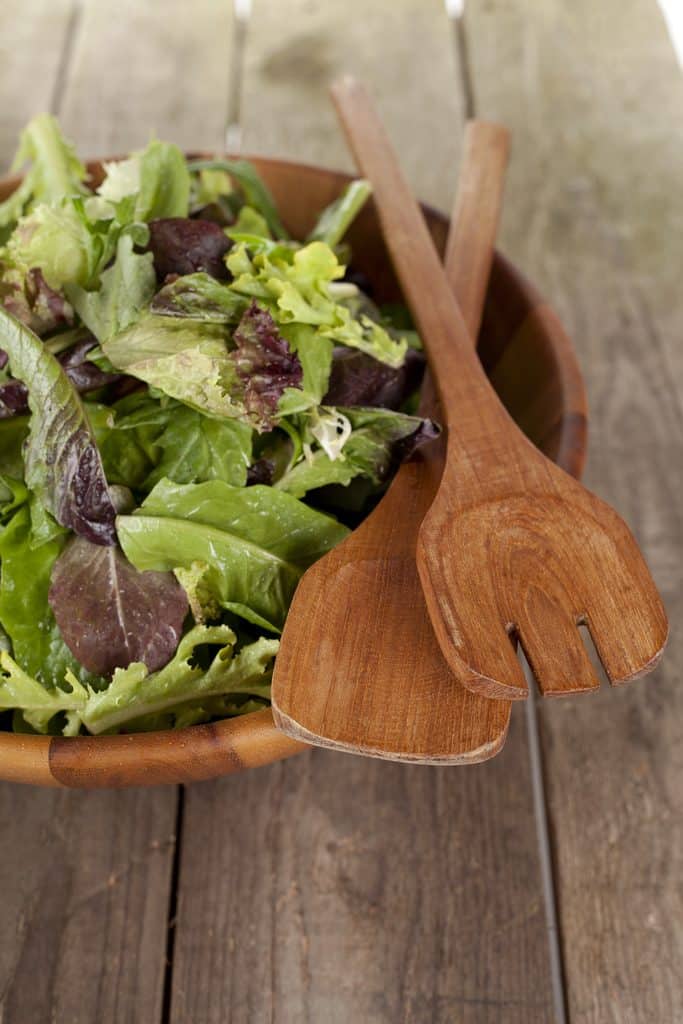
9. Dressing Straight Out of the Fridge
Olive oil firms up in the cold, and creamy dressings thicken. Pour either one straight from the fridge and it clumps on a few leaves instead of coating all of them.
Ten minutes on the counter loosens it up, or run the jar under warm water for a few seconds. Then shake it hard right before it goes on, since vinaigrettes separate as they sit.
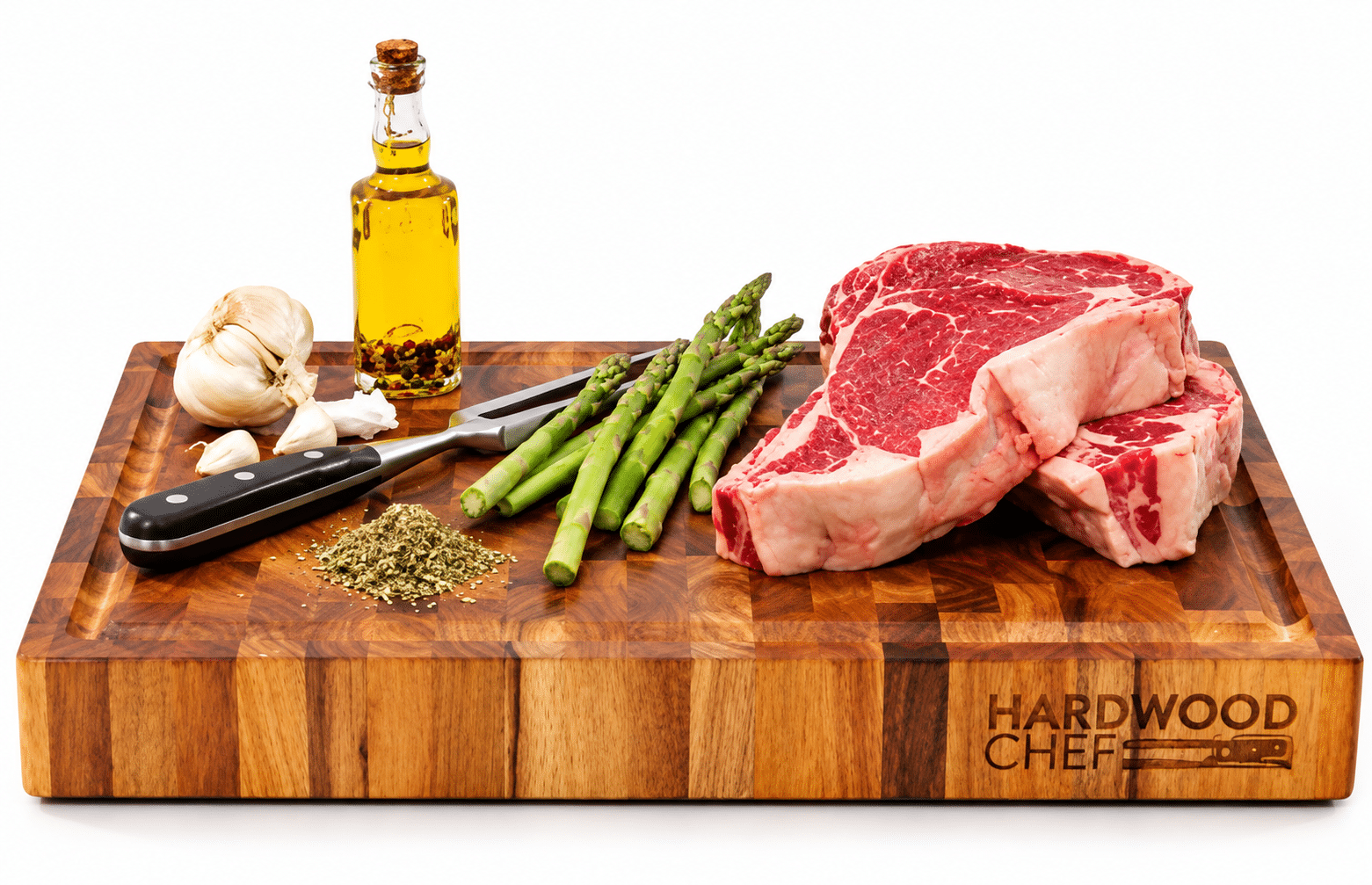
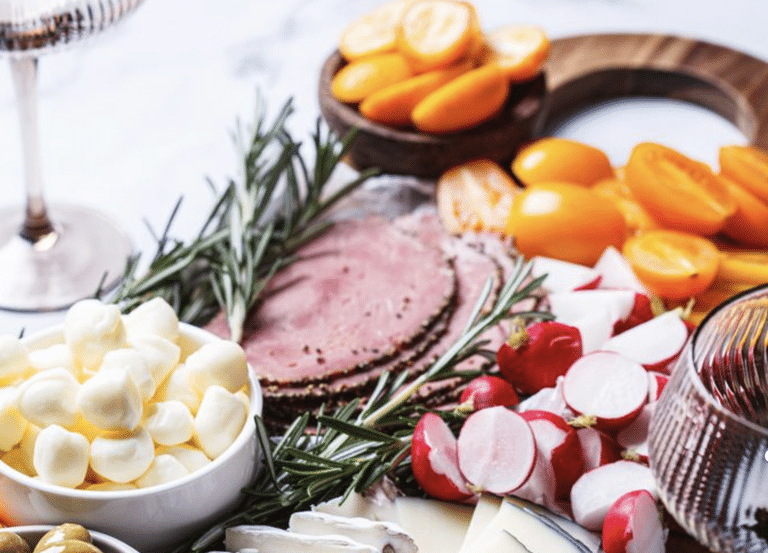
At 16 × 12 inches and nearly two inches thick, our end grain acacia board has room for a full spread of cheese, fruit, and bread, finger grips for carrying it to the table, and a juice groove for when you carve. See the board.
See the board, now $119Regularly $179 · Arrives gift-wrapped in butcher paperBottom line: room-temperature dressing spreads further, so you need less of it.
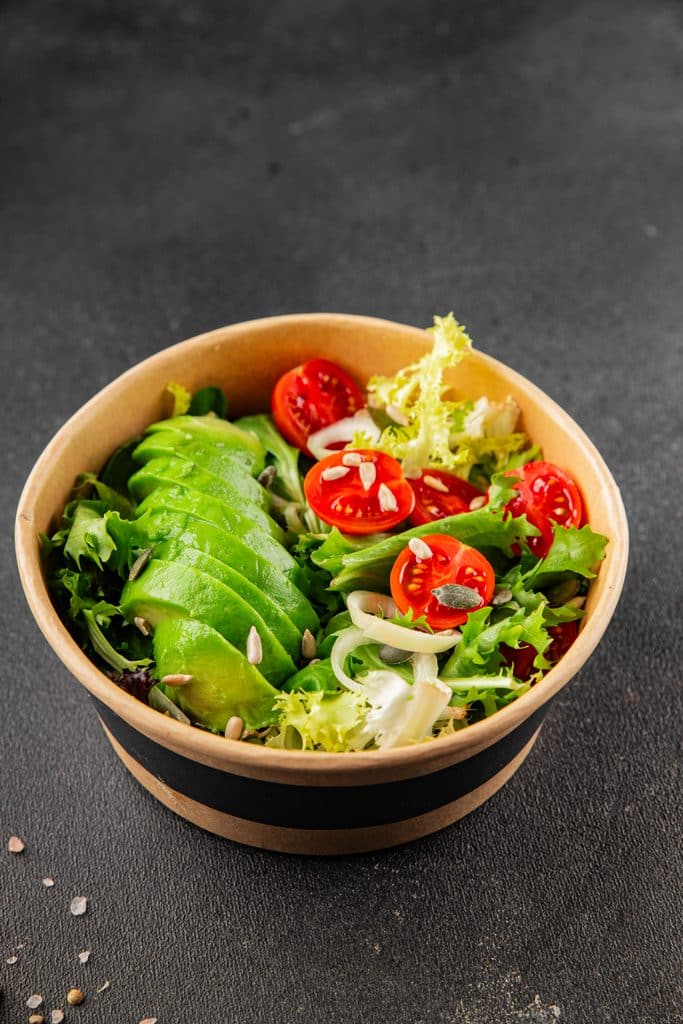
8. Tossing With Two Spoons Instead of Your Hands
Two spoons mostly push the top layer around. The result is dressed leaves on top and bare ones hiding at the bottom.
Clean hands are the most effective tool here, which is why plenty of restaurant kitchens toss salads that way. Long tongs that reach the bottom of the bowl are a close second.
Lift from the bottom and let the leaves fall back down instead of stirring. A dozen gentle lifts beats thirty seconds of churning, which bruises tender greens.
Bottom line: lift and drop, don’t stir.
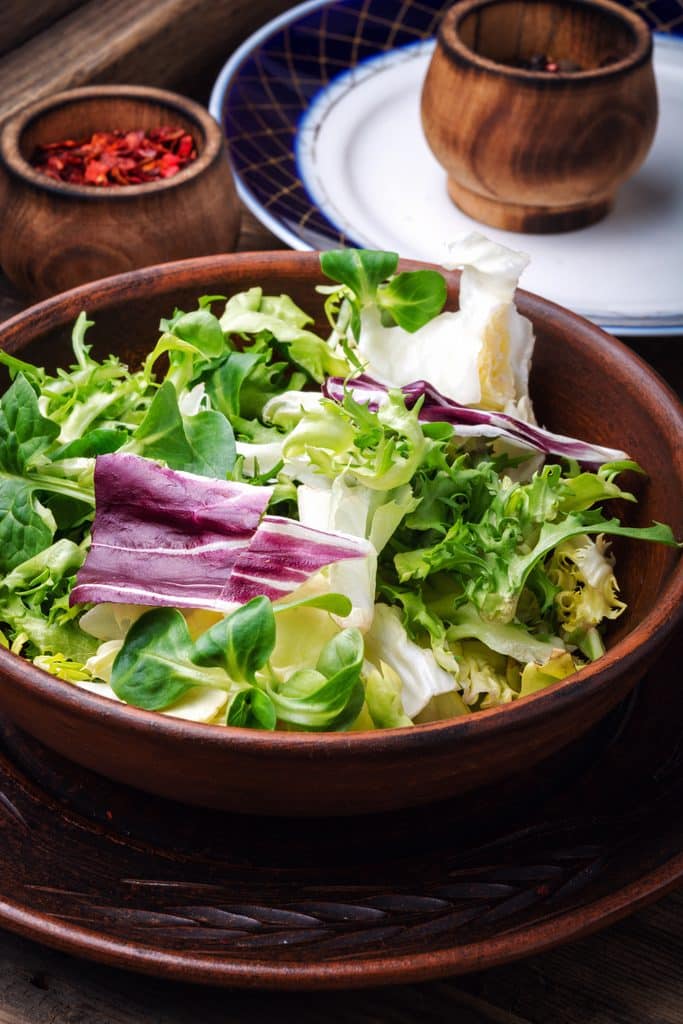
7. Using a Bowl That’s Too Shallow
A wide, shallow bowl looks great on the table. When you toss, though, the greens just get pushed flat against the sides and spill over the rim.
Depth is what lets leaves tumble over each other, and that tumbling is most of what even coverage depends on. A shallow bowl works fine for serving a salad that was tossed somewhere else.
If you love your shallow bowl, toss in a big mixing bowl and transfer it. Two bowls to wash is a fair trade for a properly dressed salad.
Keep Reading
If this one is your kind of read:
→ 15 Charcuterie Board Ideas That’ll Steal the Show at Your Next Party
→ 17 Super Easy Fun Halloween Treats Kids and Adults Will Actually Eat
Bottom line: toss deep, serve however you like.
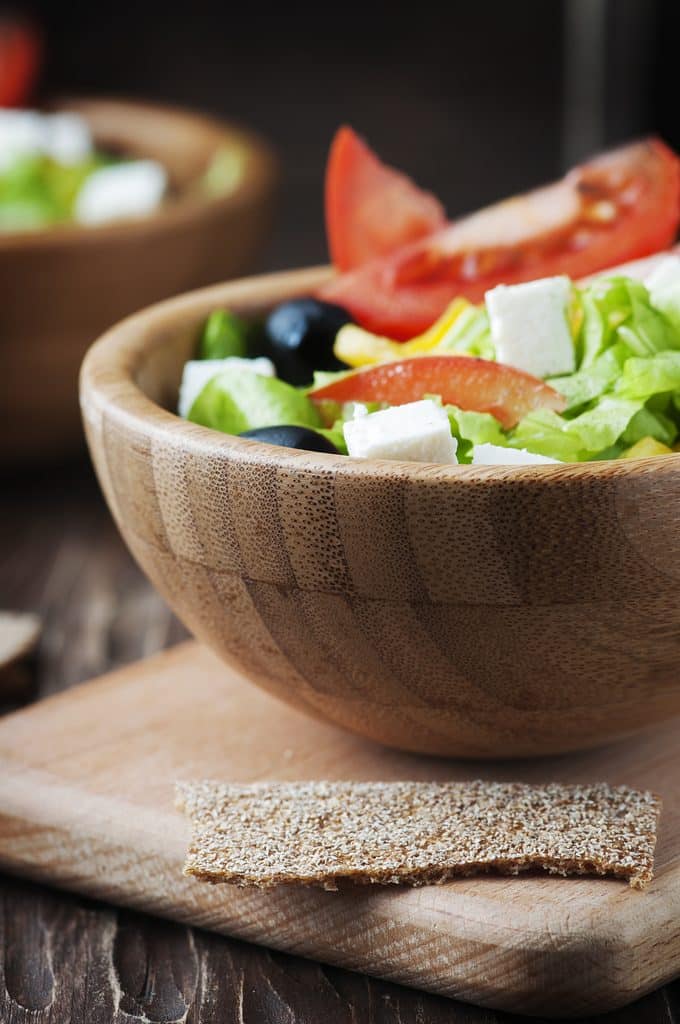
6. Dressing the Salad Too Early
Salt in dressing pulls moisture out of tender leaves, and oil coats them and weighs them down. Butter lettuce, spring mix, and arugula can start to slump within minutes of being dressed.
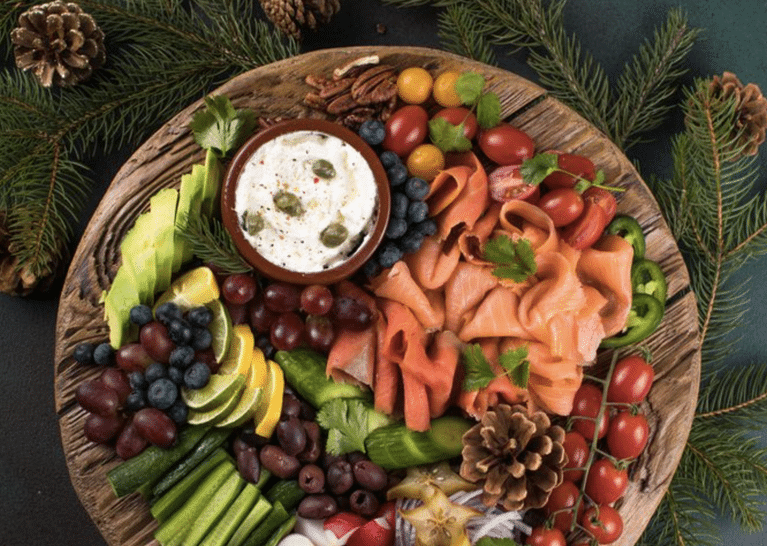
For delicate greens, dress right before serving, ideally at the table. If the salad is part of a bigger spread, like one of our holiday board setups, bring it out last.
Here’s the exception: sturdy greens like kale, cabbage, and radicchio often improve with a little time in the dressing. A kale salad dressed half an hour ahead tends to taste better than one dressed at the last second.
Bottom line: delicate greens get dressed last, and sturdy greens can go early.
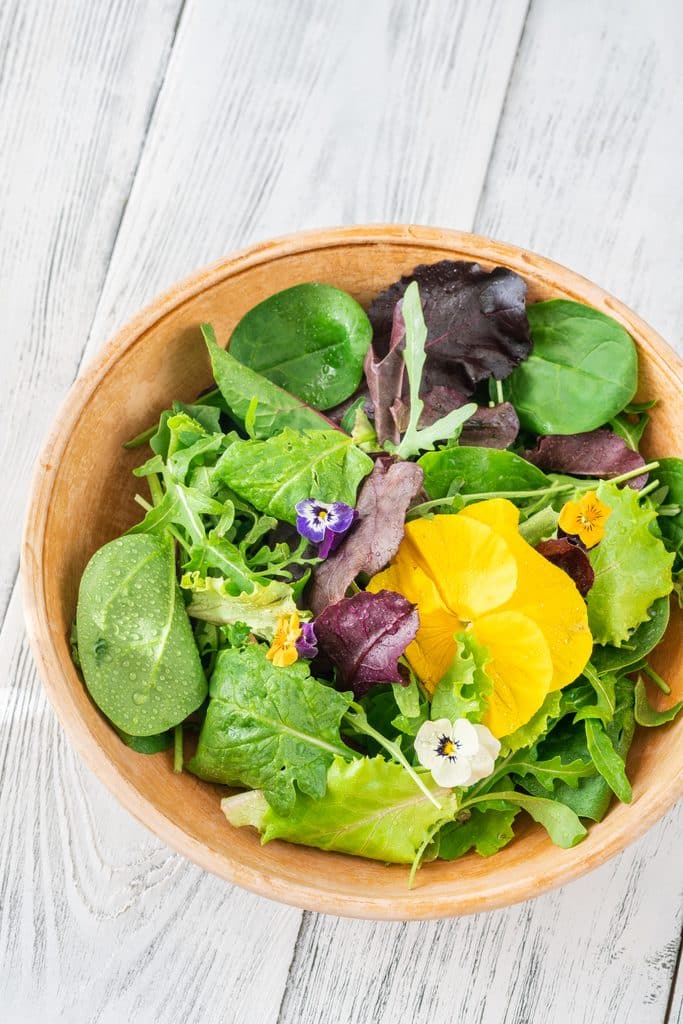
5. Storing Prepped Greens in the Open Serving Bowl
Washing and drying greens ahead of time is smart. Leaving them in an open serving bowl for an hour or more lets the cut edges dry out and the leaves lose their snap.
A sealed container lined with a paper towel keeps them crisp in the fridge, since the towel catches extra moisture before it turns leaves slimy. Move them to the serving bowl right before dressing.
While You're Here
19 Ways to Make Your Wood Cutting Board Last a Lifetime
A good wood cutting board isn't a one-and-done purchase. It's closer to a cast iron pan, something that tends to get better...
Short on containers? Covering the serving bowl with a clean, damp kitchen towel and keeping it in the fridge works fine for an hour or two.
Bottom line: prep early, but keep greens covered and cold until go time.
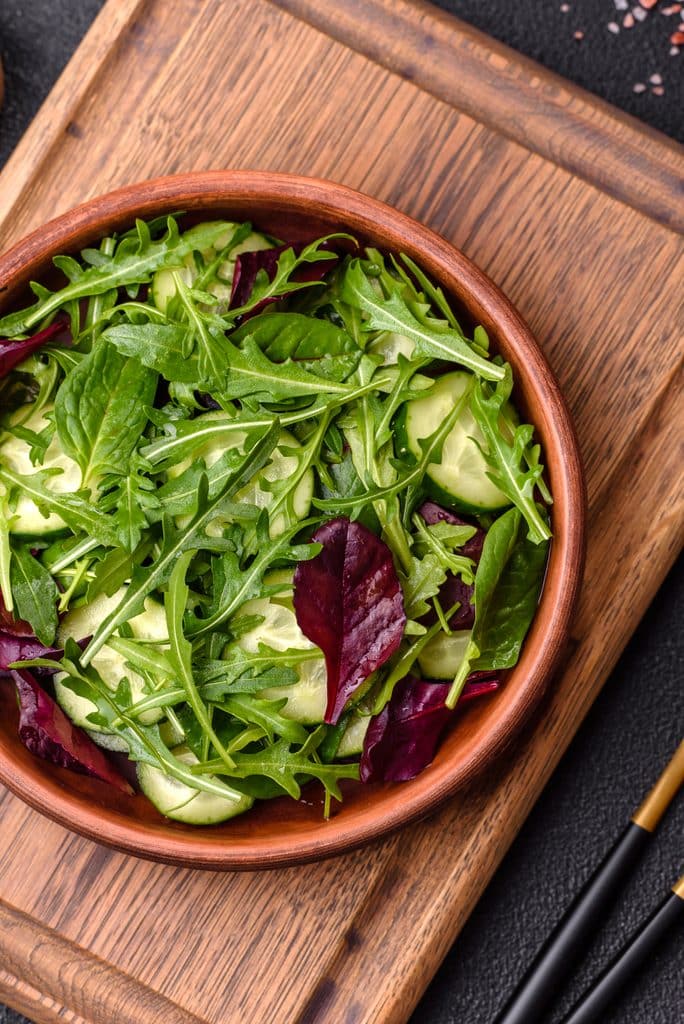
4. Not Drying Greens Thoroughly Before They Go in the Bowl
Wet leaves dilute dressing and make it slide right off. You end up with a puddle at the bottom of the bowl and greens that taste rinsed rather than dressed.
A salad spinner does most of the work, and a second spin after the leaves sit for a minute catches water that settled. Rolling the leaves loosely in a clean kitchen towel finishes the job.
For flavor, this matters more than almost anything else on the list. Dry greens hold onto dressing, so you use less and taste more.
Bottom line: spin twice, then towel.
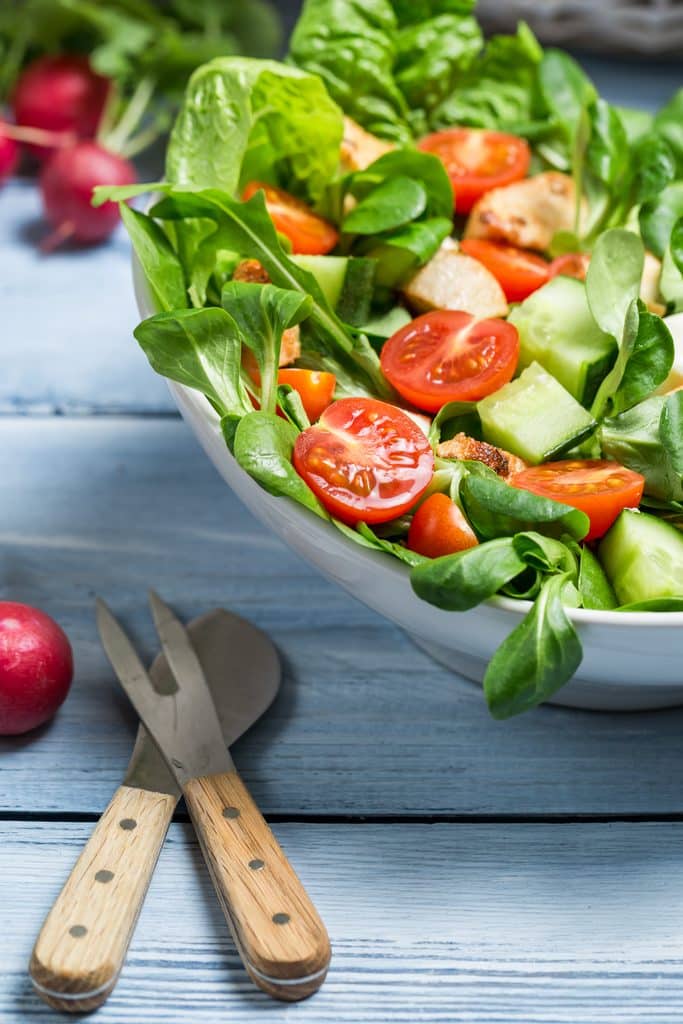
3. Using a Porous or Dried-Out Bowl for Acidic Dressings
Some materials soak up lingering acid and oil from dressing over time. Unglazed ceramic and wood that’s rarely oiled are the usual offenders, and absorbed oil can turn stale and flavor the next salad.

Jonathan grew up in New Jersey until his family moved to Germany, where he spent his youth in old-world butcher shops and French markets and learned that the best meals happen around a shared table. HardwoodChef started with one idea: make the board at the center of those moments.
Unlike plastic, it has nothing to shed into your food. Unlike glass or bamboo, its end grain is easy on your knives. And at nearly two inches thick, it’s sturdy enough to carve on and good-looking enough to serve straight from the board.
“Food brings people together. I wanted to make something worthy of sitting in the middle of it.”
Read Jonathan’s storyA well-oiled wood bowl, glazed ceramic, glass, or stainless all handle repeated vinaigrette contact without much absorption. For wood, regular oiling is what keeps the surface sealed, and our material comparison for cutting boards covers the same tradeoffs.
Plastic bowls are their own question, since acid and oil sitting against plastic through a long dinner is something researchers are still studying. Our guide to which plastic-free swaps to make first puts serving bowls on that list.
Bottom line: keep wood oiled, or reach for glass, glazed ceramic, or stainless.
Myth: You should never wash a wood salad bowl, just wipe it out so the dressing “seasons” it.
Reality: That old advice tends to leave a film of dressing oil that can go rancid and smell off. A quick wash with warm soapy water, a thorough dry, and an occasional coat of mineral oil keep a wood bowl in far better shape, and soaking or the dishwasher are as rough on bowls as on boards, as our rundown of common wood care mistakes explains.
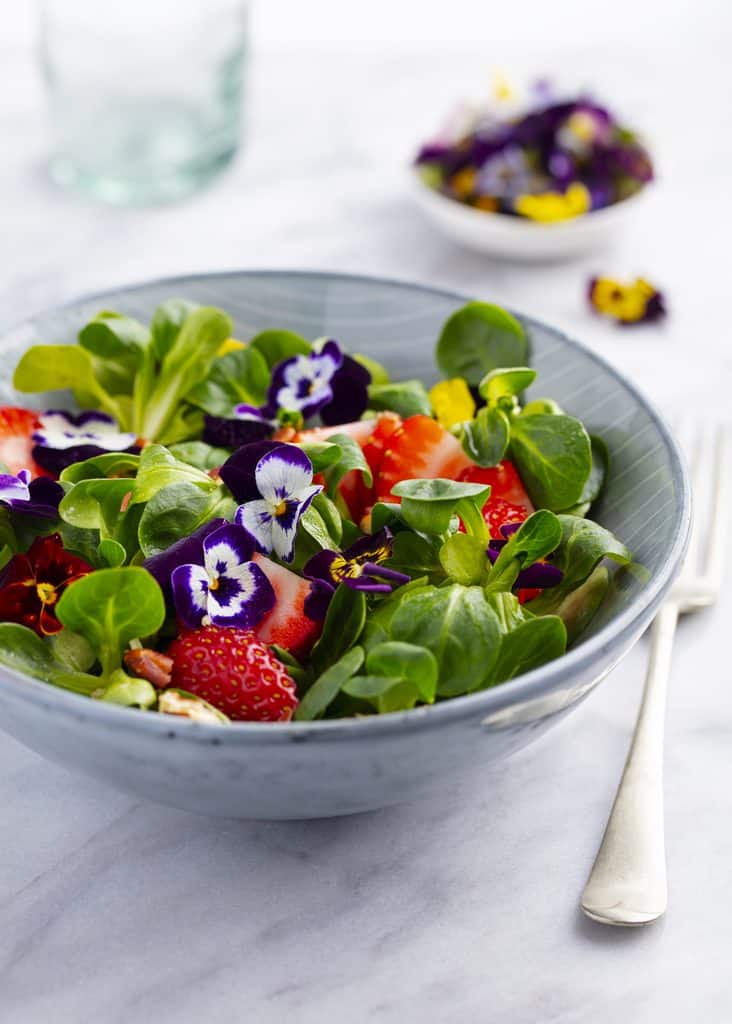
2. Drowning the Salad in Dressing
More dressing feels generous. In practice, the excess pools at the bottom, soaks the lowest leaves, and wilts them long before the top layer.
A rough starting point many cooks use is a couple of tablespoons of dressing for a large bowl of greens serving four, adding more only after tasting. It’s always easier to add dressing than to rescue an overdressed salad.
Dig Deeper
The Complete Beginner’s Guide to Building a Charcuterie Board
Charcuterie boards look intimidating from the outside, like there's a secret ratio or technique everyone else learned somewhere. There isn't, really. This...
Pour the dressing around the sides of the bowl rather than in one spot on top. It spreads more evenly as you toss, and you’ll find you need less.
Bottom line: start with less than you think, then taste.
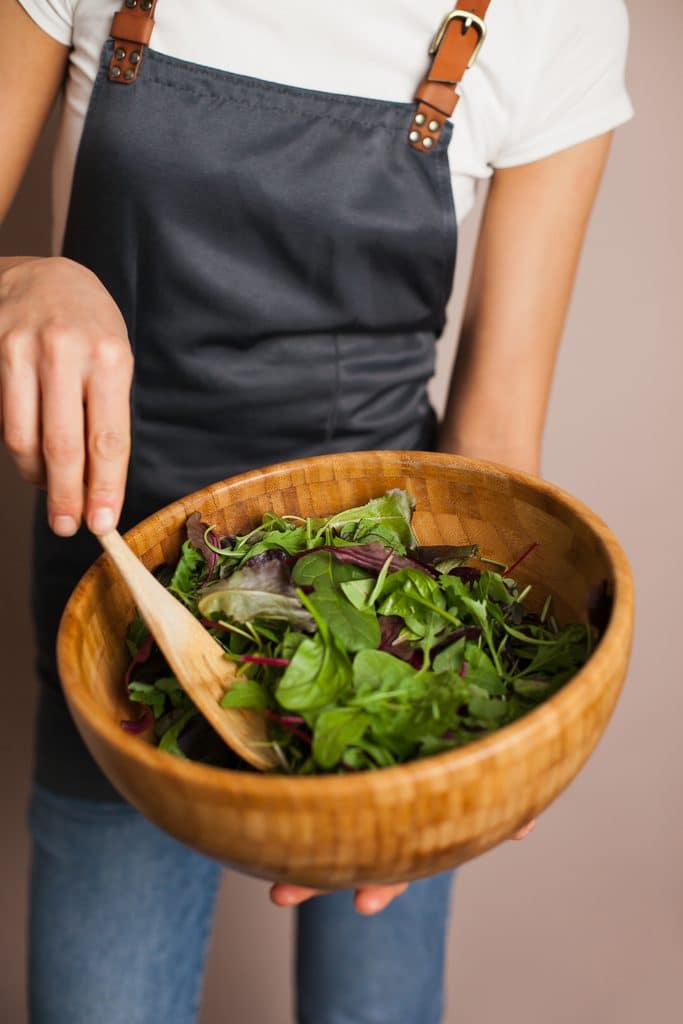
1. Using the Same Small Bowl for Everything, Regardless of Size
This is the root cause behind several others on this list. A bowl that’s too small forces shallow tossing, uneven coverage, and heavy-handed dressing, and the greens pay for it.
Most kitchens have one salad bowl sized for a weeknight. When a bigger group shows up, that same bowl gets packed to the rim, and nothing has room to move.
A practical rule of thumb is a bowl roughly twice the volume of the salad you’re making. That empty space is where the tossing happens, and tossing is what keeps the dressing even and the leaves crisp.
Readers Can't Stop Opening These
★ Plastic-Free Kitchen Swaps: What to Replace First
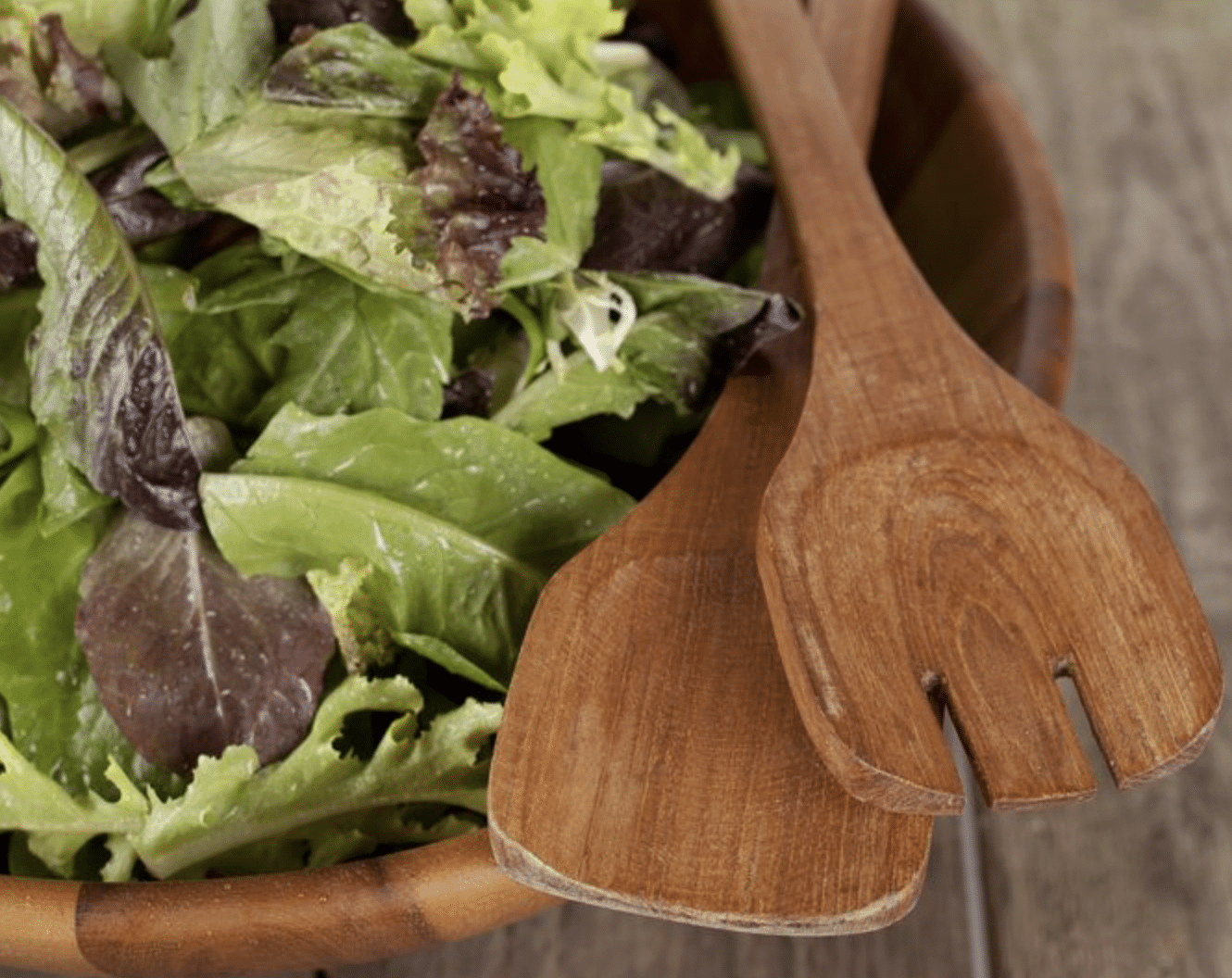
Depth matters as much as width. A deep, generously sized wood bowl, like the acacia salad bowls we make at HardwoodChef, gives greens room to tumble and still looks good on the table, so one bowl handles both jobs.
If you’re feeding a crowd, a big bowl also holds its own next to a full charcuterie spread. Our guide to choosing a salad bowl covers sizes by headcount and what to look for in materials.
Bottom line: size the bowl for the salad, with room to spare.
Before You Toss
Most of these fixes cost nothing but a small habit change. The bowl-size one is the exception, and even that’s a one-time purchase.
If you only fix a few things: dry your greens well, dress delicate salads right before serving, and use a bowl big enough to toss properly.
If the salad is sharing the table with a board, our beginner’s guide to building a charcuterie board covers the other half of the spread. And a wood bowl follows nearly the same routine as a wood cutting board, which our complete care guide lays out.