How to Choose the Perfect Salad Bowl: Size, Material & Style Guide

Salad bowls don’t get the buying-guide attention that cutting boards or cookware do. That’s a little odd, since the wrong one causes real, everyday problems: wilted greens, cramped tossing, and a bowl that never fits on the counter or in the cabinet.
This guide covers what to weigh, from size and depth to material, care, and style, for weeknight dinners and big gatherings alike. Like the other guides here, it lays out tradeoffs rather than one right answer.
Size: Start With Headcount
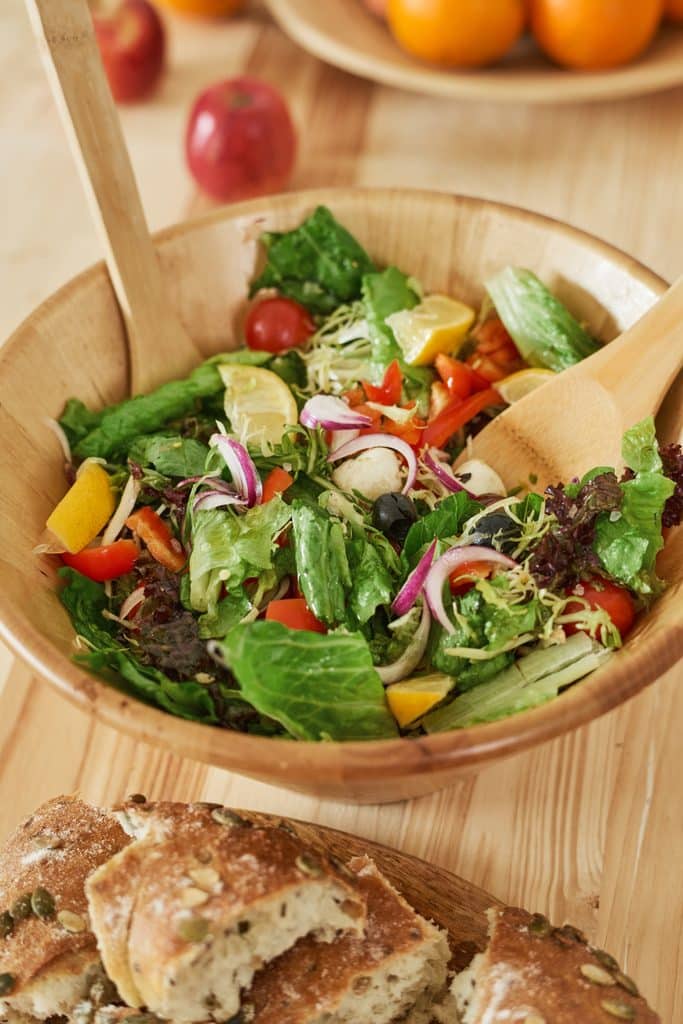
The most common mistake is buying a bowl sized for two and then using it for every gathering, including the ones with eight people around the table.
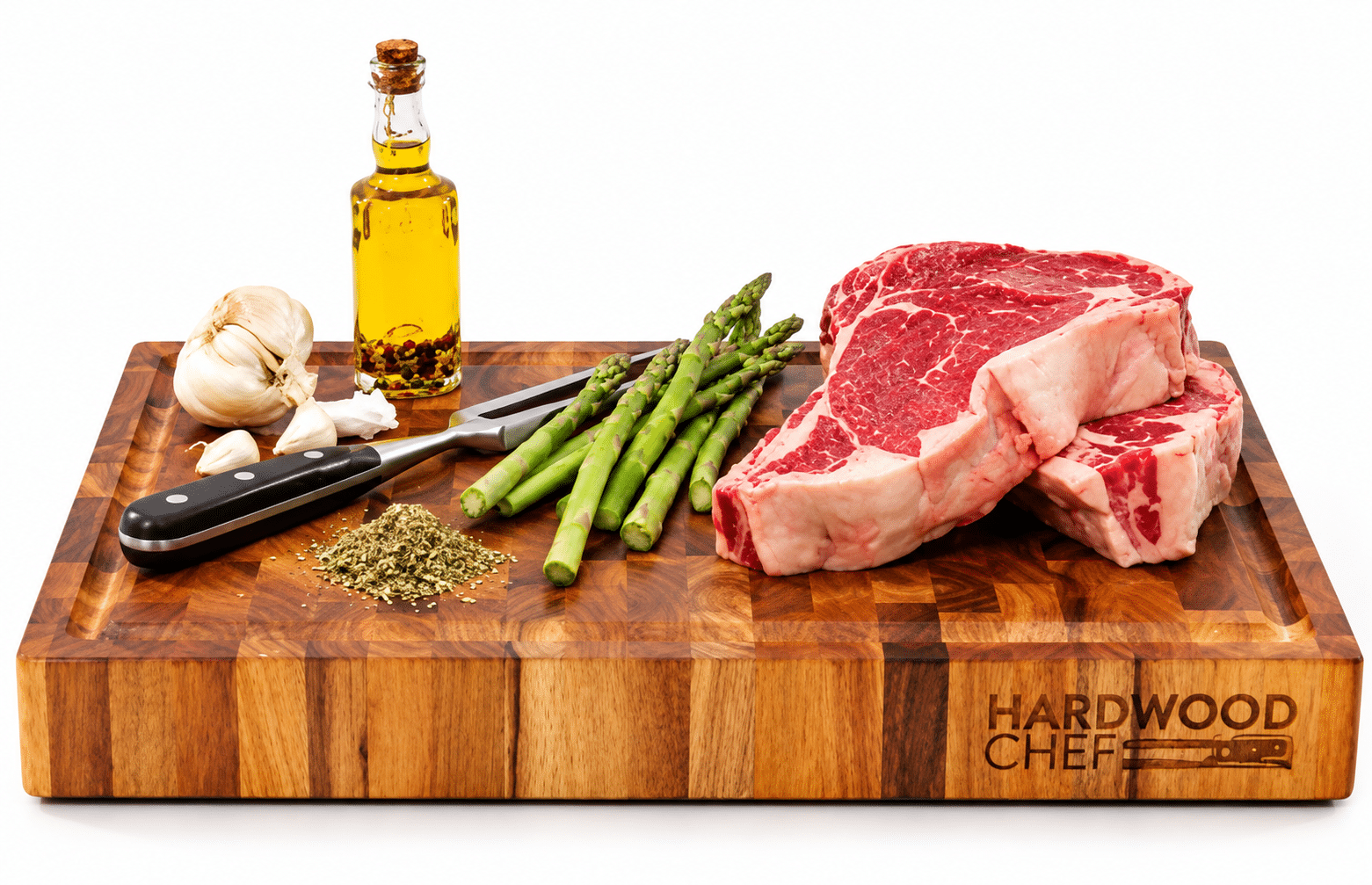
At 16 × 12 inches and nearly two inches thick, our end grain acacia board has room for a full spread of cheese, fruit, and bread, finger grips for carrying it to the table, and a juice groove for when you carve. See the board.
See the board, now $119Regularly $179 · Arrives gift-wrapped in butcher paper| Typical use | Rough diameter |
|---|---|
| One or two people, side salads | About 8 to 10 inches |
| Three or four people, regular family salads | About 11 to 13 inches |
| Entertaining six or more | About 14 inches or larger |
About these sizes: they’re common rules of thumb, not fixed standards. Depth changes how much a bowl actually holds, so two bowls with the same diameter can feel very different in use.
If you only own one bowl and host now and then, size up rather than down. A big bowl handles a small salad fine, while a small bowl handling a big salad is where most wilting and uneven-dressing complaints come from.
Depth Matters as Much as Width
A wide, shallow bowl looks great on a table, but it doesn’t give leaves room to tumble the way a deeper bowl does, even at a similar volume.
A practical test: picture the bowl about half full of greens. If there’s room above them for a full lift-and-drop toss without leaves spilling over the rim, the depth is working for you.
A loose rule many cooks use is a bowl roughly twice the volume of the salad you usually make. If even dressing matters to you, favor real depth over a flat, wide shape, even if the flat one photographs better.
Keep Reading
If this one is your kind of read:
→ 9 Salad Bowl Mistakes That Are Wilting Your Greens Faster
→ 17 Super Easy Fun Halloween Treats Kids and Adults Will Actually Eat
Material Trade-Offs
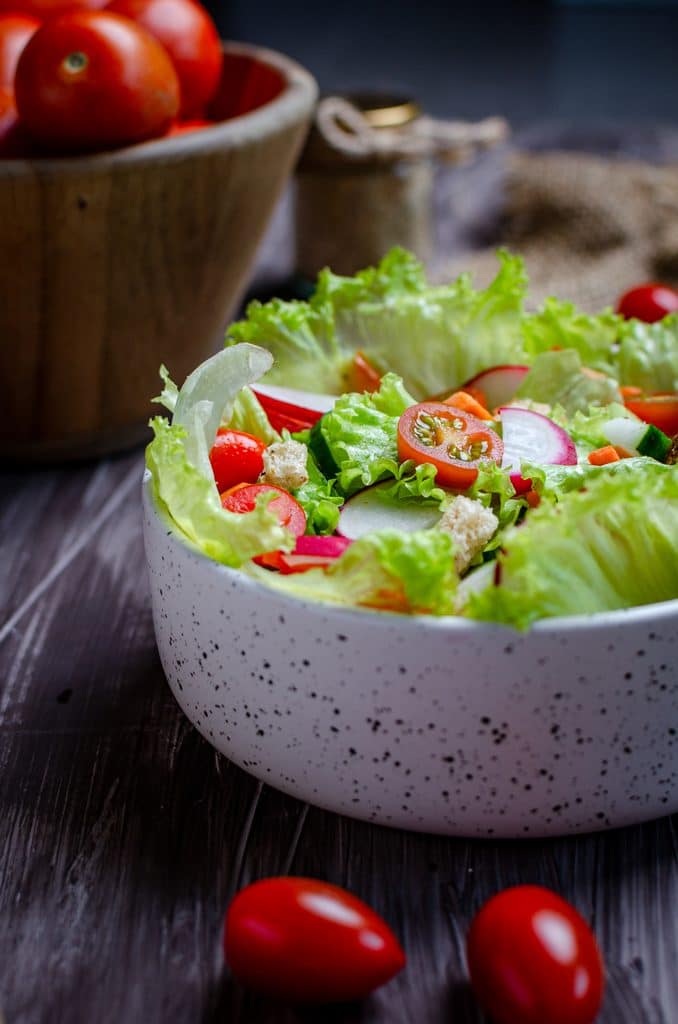
Each common material solves a different problem, and each comes with a tradeoff.
| Material | Weight | Durability | Care | With acidic dressings |
|---|---|---|---|---|
| Wood | Light to moderate | Long-lasting with care, can crack if neglected | Hand wash, occasional oil | Fine when kept oiled |
| Ceramic or stoneware | Heavy | Chips or breaks if dropped | Usually dishwasher-safe | Fine, nonporous when glazed |
| Glass | Moderate to heavy | Breaks if dropped | Dishwasher-safe | Fine, nonporous |
| Stainless steel | Light | Close to indestructible | Dishwasher-safe | Fine |
| Plastic or acrylic | Very light | Scratches and clouds with use | Easy, often dishwasher-safe | Scratches can hold smells, and long acid-and-oil contact is still being studied |
How to read this: these are general characteristics of each material, not test results for specific bowls. Quality varies a lot within every category.
Wood
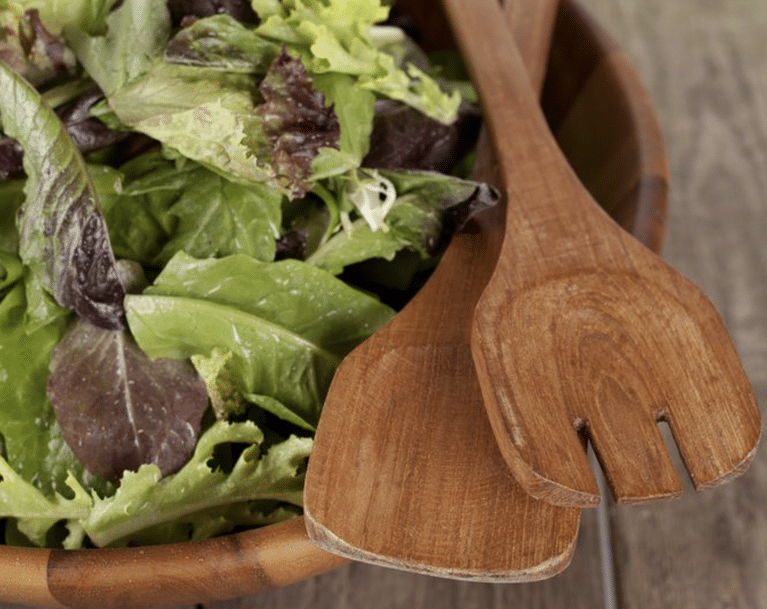
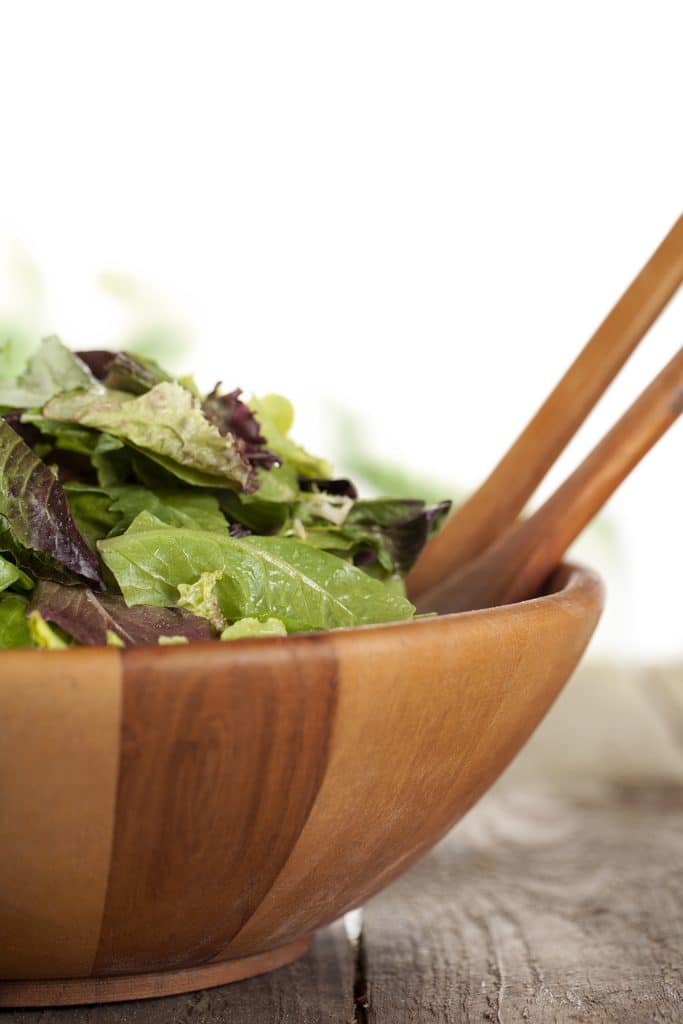
Wood brings warmth to the table and handles daily use well. A well-oiled wood bowl resists soaking up dressing, while one that’s rarely oiled can absorb oil that eventually turns stale.
Look for a food-safe oil finish on the inside rather than lacquer, which can chip over time. One-piece turned bowls and well-made laminated bowls both work, as long as the glue lines are tight.
While You're Here
9 Warning Signs Your Cutting Board Is Contaminating Your Food
Most people replace a cutting board when it looks bad, not when it needs replacing. Those aren't the same thing. A board...
Care is close to a wood cutting board: hand wash, dry promptly, and oil now and then. Our wood board care guide covers a routine that transfers well to bowls.
Ceramic, Stoneware, and Glass
Glazed ceramic and glass don’t absorb anything, and ceramic comes in the widest range of colors and patterns. The tradeoffs are weight and fragility, since a dropped bowl rarely survives.
Stainless Steel
Stainless is close to indestructible, light, and easy to clean, which is why it’s a favorite in restaurant kitchens. It reads as utilitarian on a dinner table, so many households keep one as a tossing bowl rather than a server.
Plastic and Acrylic
Plastic is the cheapest and lightest option, and it’s handy for outdoor meals. It scratches and clouds with repeated use, and those scratches can hold onto smells from acidic dressings.

Jonathan grew up in New Jersey until his family moved to Germany, where he spent his youth in old-world butcher shops and French markets and learned that the best meals happen around a shared table. HardwoodChef started with one idea: make the board at the center of those moments.
Unlike plastic, it has nothing to shed into your food. Unlike glass or bamboo, its end grain is easy on your knives. And at nearly two inches thick, it’s sturdy enough to carve on and good-looking enough to serve straight from the board.
“Food brings people together. I wanted to make something worthy of sitting in the middle of it.”
Read Jonathan’s storyAcid and oil sitting against plastic through a long dinner is also something researchers are still studying, which is why serving bowls show up in our guide to which plastic-free swaps to make first.
Style: Everyday vs. Entertaining
If one bowl has to cover both weeknights and occasional hosting, a natural wood tone tends to fit the widest range of tables without clashing, casual or dressed up.
If you’re buying specifically for entertaining and already have an everyday bowl, a bolder ceramic color or pattern makes more sense, since it isn’t competing with daily practicality.
For bigger spreads, think about the whole table. A large bowl holds its own next to a full charcuterie spread, and a few of our holiday board themes pair naturally with a salad course.
Dig Deeper
The Complete Guide to Microplastics in the Kitchen: What the Research Actually Shows
Microplastics show up in plenty of headlines and not much context. This guide is the context. It isn't here to tell you...
Extras Worth Considering
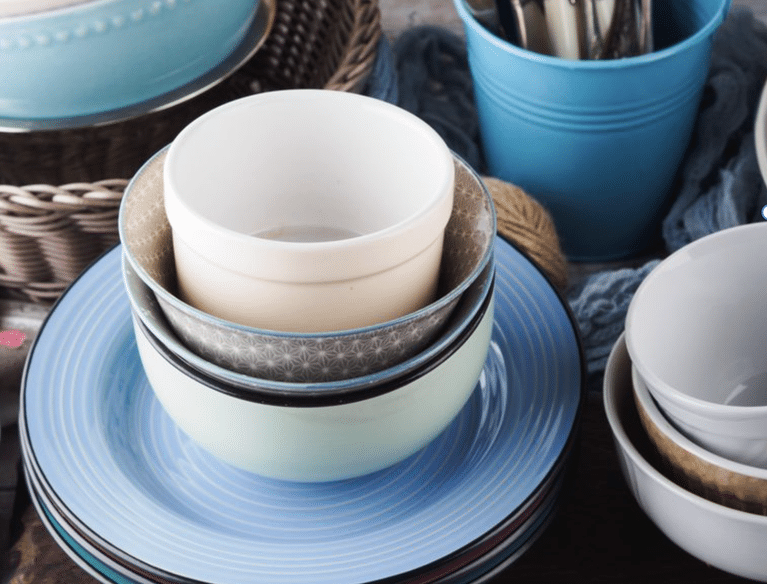
Matching servers or long tongs that reach the bottom of the bowl make tossing easier. Nested bowl sets save cabinet space and give you a small bowl for weeknights and a big one for company.
A Quick Pre-Purchase Checklist
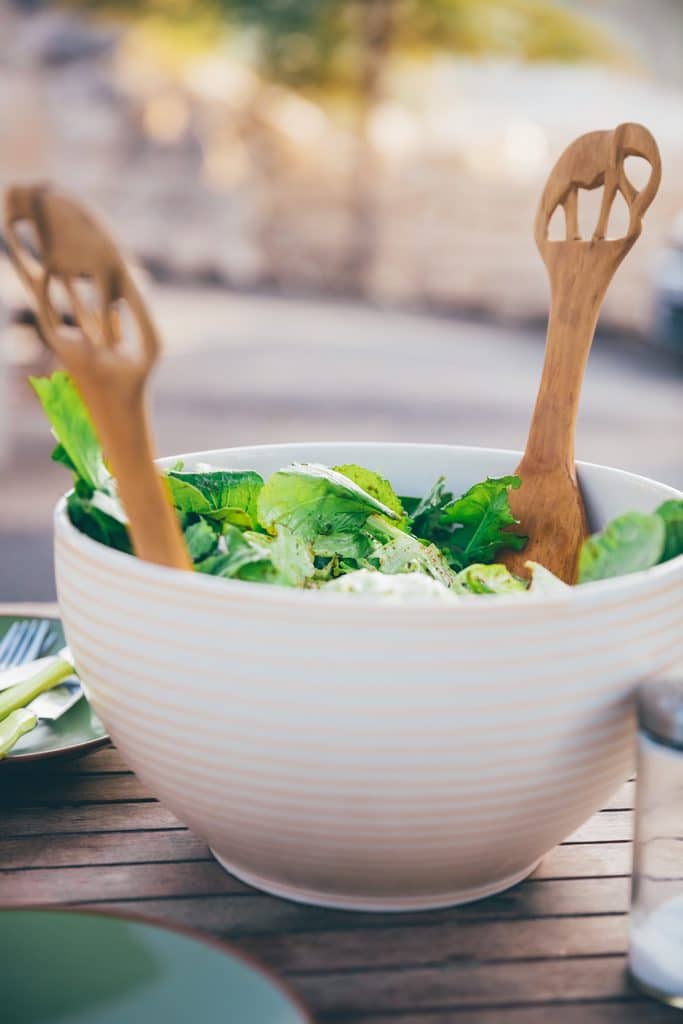
Before buying, a few practical checks save a lot of regret.
| Check | Why it matters |
|---|---|
| Will it fit in your cabinet and sink? | A bowl that’s awkward to wash or store tends to stay in the cabinet |
| Is it deep enough to toss in? | Depth drives even dressing more than width does |
| Can you lift it full with a hand on each side? | Heavy materials get unwieldy at large sizes |
| What’s the inside finish? | For wood, food-safe oil or oil and wax rather than lacquer |
| Does the care routine fit your habits? | Wood needs hand washing and occasional oil, while ceramic and glass usually don’t |
Putting It Together
For most households buying one bowl for both everyday meals and occasional hosting, a deep, mid-to-large wood bowl in roughly the 12 to 14 inch range is a sensible default. It covers tossing room, holds up to dressing with basic care, and fits most table settings.
Readers Can't Stop Opening These
★ 15 Charcuterie Board Ideas That’ll Steal the Show at Your Next Party
From the HardwoodChef Shop: Our acacia salad and serving bowls are built around that profile, deep enough to toss in and sized for both weeknights and company. A quick hand wash and an occasional coat of oil keep them in good shape.
If you only weigh a few things: size up if you host, prioritize depth over width, and pick a material whose care routine you’ll actually keep.
Once you’ve got your bowl, our list of common salad bowl mistakes is worth a read, since even the right bowl won’t fix a few of the habits covered there. And if the salad is sharing the table with a board, our beginner’s guide to building a charcuterie board covers the rest of the spread.