13 Non-Toxic Kitchen Upgrades That Cost Less Than You Think

“Non-toxic kitchen” sounds like a phrase that comes with a big receipt attached. New cookware, new storage, maybe a whole renovation.
Most of that reputation is undeserved. A lot of the highest-impact changes cost less than a dinner out.
We’re mixing genuinely cheap fixes with a couple of bigger investments here, so this doesn’t read like a disguised push toward one expensive thing. Price ranges below are rough and will vary by brand and where you shop. If you want the room-by-room version of this same idea, our beginner’s non-toxic kitchen guide is a good companion.
13 upgrades, counting down to the one that costs the most but probably earns it back the fastest.
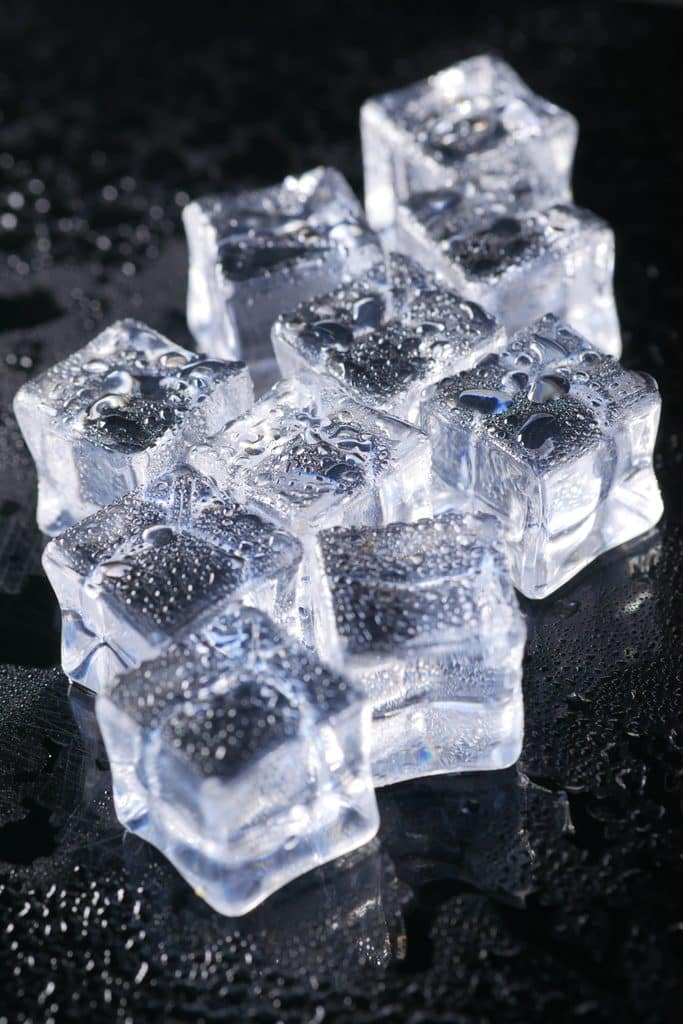
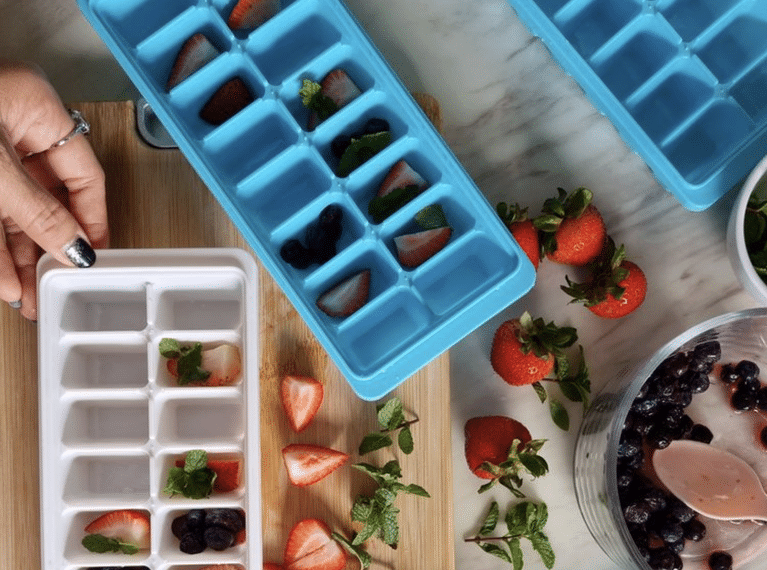
13. A Metal Ice Cube Tray or Silicone Set
Roughly $10-15. About as small a swap as exists on this list, and it’s a five-minute Amazon order.
Not a dramatic change to your kitchen, but it’s the kind of thing that’s easy to forget about once it’s plastic and easy to just fix once you notice it.
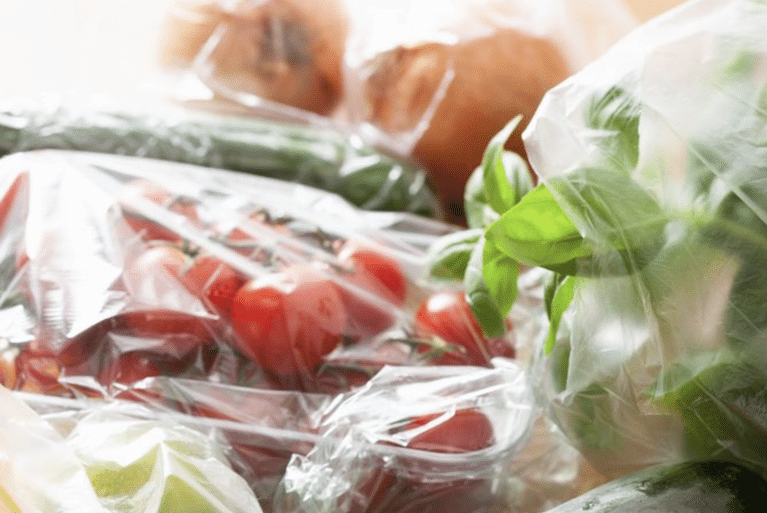
12. Reusable Produce Bags
A set of mesh bags typically runs $10-20 and lasts years. It also cuts down on a surprising amount of single-use plastic if you’re buying loose produce regularly.
The only real cost is remembering to bring them, which is a habit thing more than a money thing.
11. A Stainless Steel Colander
Somewhere in the $15-30 range depending on size, and it basically never needs replacing once bought.
Compare that to replacing a cracked plastic one every couple of years, and the math ends up favoring metal pretty quickly.
10. A Loose-Leaf Tea Infuser
A basic metal infuser is often under $10, and loose-leaf tea itself tends to be cheaper per cup than bagged tea over time.
This is a rare case where the non-toxic swap also saves money long term, not just at checkout.
9. A Few Glass Storage Containers
You don’t need to replace the whole cabinet at once. A basic set of three or four in the $20-30 range covers the containers you actually microwave regularly.
Start there, keep plastic for dry storage where heat isn’t a factor, and expand the glass collection gradually as budget allows. Heat exposure is the biggest factor here, our guide to what the research actually shows explains why.
Fast Math: a partial glass set costs roughly the same as one takeout order, but it’s the container swap that addresses the biggest heat-exposure gap in most kitchens.
8. Wood or Metal Kitchen Utensils
A full spatula, spoon, and turner set typically runs $20-35, which is often less than a single high-end plastic set from a specialty brand.
Wood also tends to hold its shape longer under regular pan-scraping, so it’s not purely a material swap, it’s a durability upgrade too.
7. Beeswax Food Wraps
A starter set of three or four wraps usually lands around $18-25, and each wrap is reusable for roughly a year with basic care.
It won’t fully replace plastic wrap for every job, raw meat still wants a sealed container, but for produce and leftover cheese it handles most everyday use.
6. A Stainless Steel Water Bottle
Prices range widely here, roughly $15 on the low end to $40 for insulated versions, but even the basic ones outlast plastic bottles by years.
Given how often a daily water bottle gets used, this is one of the better cost-per-use swaps on the list.
5. A Basic Set of Glass Measuring Cups
Typically $10-20 for a nested set, and glass doesn’t warp, chip its measurement markings, or discolor the way older plastic ones do.
Cheap enough that this one’s an easy yes for almost any budget.
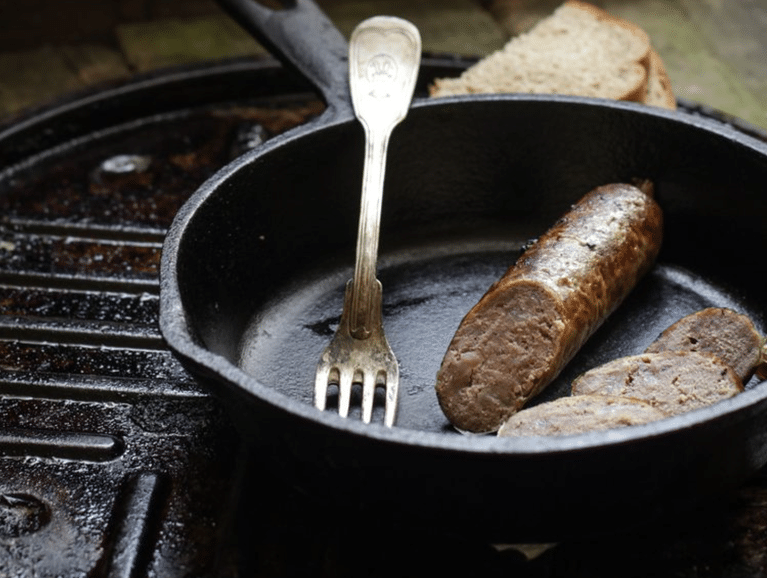
4. A Cast Iron Skillet
A quality cast iron pan runs roughly $25-50 and, with basic care, can outlast every other pan in your kitchen combined.
It’s not a drop-in replacement for nonstick, there’s a real seasoning and technique learning curve, but it’s a genuinely affordable entry point into cooking without a coated surface.
3. An Electric Kettle With a Stainless Interior
Stainless interior kettles run a bit more than plastic-interior ones, usually $35-60 versus $20-30, but you’re heating water directly against the material, which makes this one worth the difference.
If tea or coffee is a daily habit, this is a swap that touches your routine constantly.
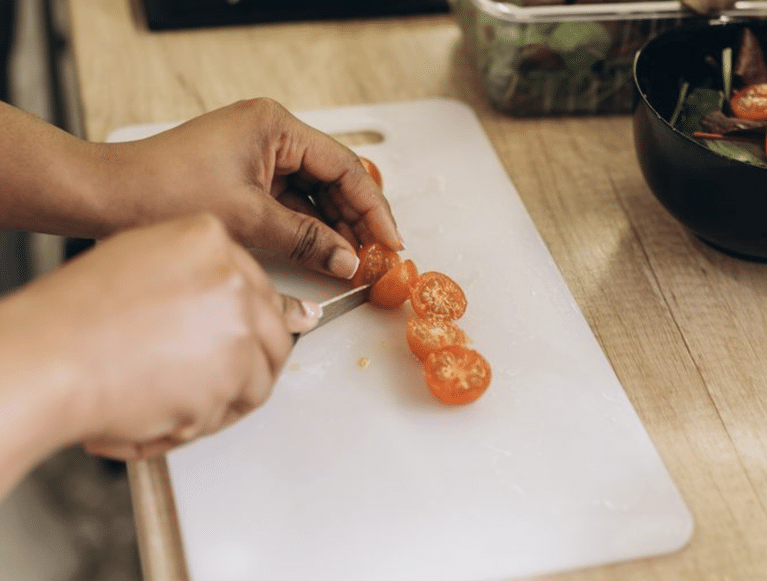
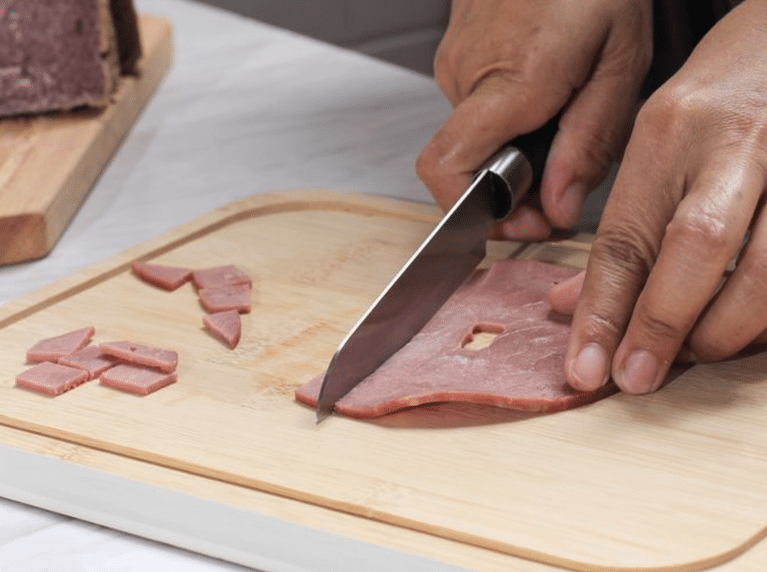
2. A Mid-Size Wood Cutting Board
This is where cost starts climbing, typically $50-120 for a solid end-grain board depending on size, compared to $10-20 for a basic plastic one.
The gap looks bigger than it is once you account for lifespan. A well-maintained wood board can last decades, while plastic boards generally get replaced every year or two once they’re heavily scored, which means the per-year cost is often closer than the sticker price suggests. Our care guide covers exactly what that maintenance involves, and our buying guide can help you pick the right one.
1. Replacing Your Nonstick Cookware Set
This is the most expensive item on the list, and we’re not going to pretend otherwise. A full stainless or cast iron set can run $150-300 depending on quality and how many pieces you’re replacing.
It’s also the swap that probably matters most, since cookware sees daily heat and daily food contact in a way almost nothing else in the kitchen does.
Nobody needs to do this all at once. Replace the one pan you use most first, usually a skillet, and let the rest of the set follow as pieces wear out or budget allows.
Even a single stainless skillet added to an otherwise nonstick collection meaningfully reduces how often you’re cooking directly against a coated surface.
The Wrap-Up
Add up everything on this list and you’re still under $500, spread out over however long you want to take. That’s a fraction of what a “non-toxic kitchen renovation” sounds like it should cost.
Start with whichever three feel most doable this month, not the three that sound most impressive. For the fuller swap list this pulls from, see our roundup of 27 plastic-free kitchen swaps, and if you want to compare materials before buying a board, our wood versus plastic versus bamboo guide breaks down the tradeoffs.