10 Toxic Kitchen Habits You Didn’t Know You Had

You could replace every plastic item in your kitchen and still be doing half the things on this list. That’s the part most “non-toxic kitchen” content skips.
It’s not always about what you own. A lot of it is how you use what you already have.
These are habits, not purchases, which means they’re free to fix. That’s the good news.
10 habits worth a second look, counting down to the one almost everyone does without thinking twice.
10. Letting Hot Food Cool in the Pan Before Transferring It
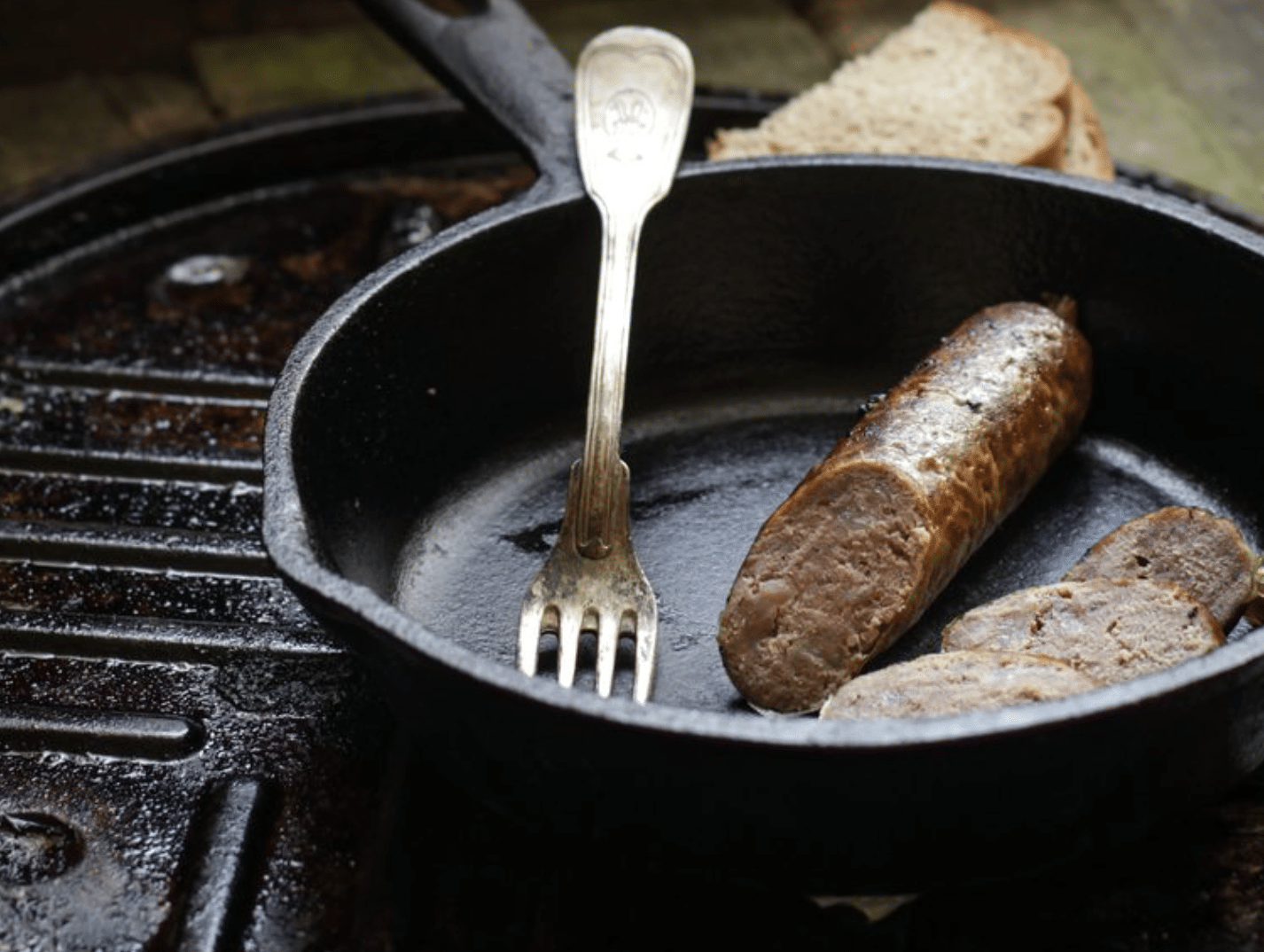
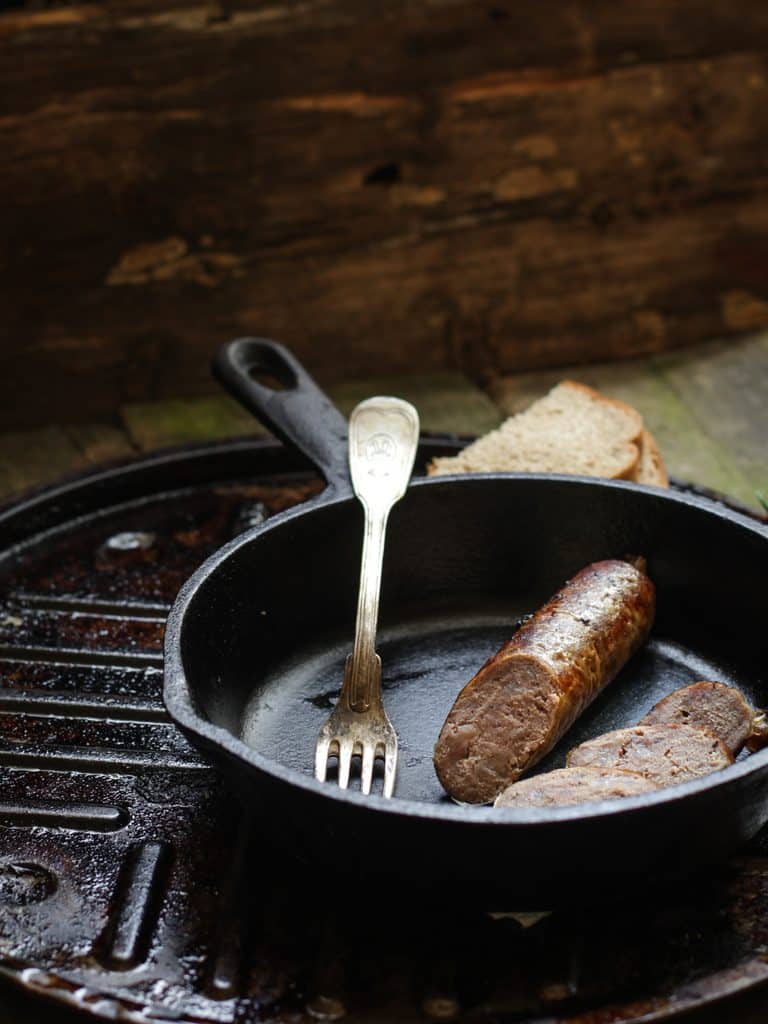
Leaving hot food sitting in a nonstick or scratched pan while it cools seems harmless. It’s extra time spent in contact with a surface that’s already had heat working against it all through cooking.
Transferring food to a separate dish right after cooking, rather than letting the pan double as a serving bowl, is a small change that cuts down on that lingering contact time.
9. Running Everything Through the Dishwasher on Hot
Convenient, sure. But the combination of heat, water pressure, and detergent chemistry is harder on plastic items than most people assume, and it accelerates wear on nonstick coatings too.
Hand washing anything plastic or coated, and saving the dishwasher for genuinely dishwasher-safe metal and glass, tends to extend the life of the items that wear fastest.
8. Storing Oil and Vinegar Near the Stove
Looks nice, keeps them handy. Repeated heat exposure from nearby cooking can degrade oils faster and, if they’re in plastic containers, adds the same heat-plus-plastic issue that shows up elsewhere on this list.
A cabinet a few feet away solves it without changing your cooking routine at all.
7. Reheating Coffee or Tea in the Same Plastic Travel Mug
Microwaving a plastic travel mug to reheat coffee is common, and it’s also a fairly direct heat-plastic-liquid combination, the exact scenario researchers point to as a higher-exposure route.
Pouring into a ceramic mug for the reheat, then back into the travel mug if needed, adds thirty seconds and avoids the issue.
6. Using Metal Utensils on Nonstick Pans
A quick scrape with a metal spoon feels harmless in the moment. Each one leaves a fine scratch, and those scratches accumulate faster than most people realize until the coating is visibly compromised.
Keeping wood or silicone tools specifically for nonstick cookware, and metal tools for everything else, is a genuinely easy habit once you’ve got a designated set. It’s the same logic behind why worn plastic spatulas shed more than people expect.
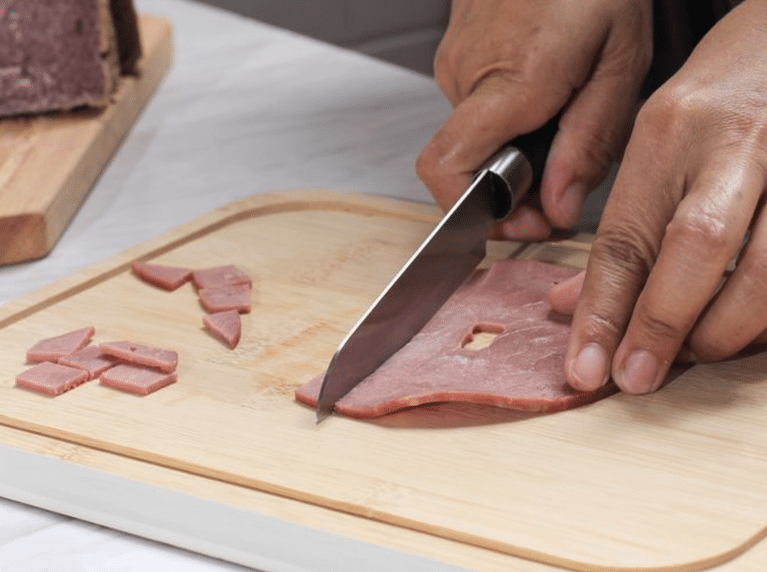
5. Cutting Directly on the Counter “Just This Once”
Skipping the cutting board for a quick job seems minor, but it’s less about the material and more about what’s happening to your board, or lack of one, in the process. Counters aren’t designed to be cut on and can chip or scratch in ways that trap bacteria.
This one earns its spot on the list mostly because it’s so universal. Almost everyone does it occasionally, and almost nobody thinks about the counter surface itself as part of the equation. It’s worth checking your actual board too, our 9 warning signs checklist covers what to look for.
4. Storing Acidic Leftovers in Plastic
Tomato sauce, citrus, vinegar-based dressings. Acidic foods interact with plastic surfaces more actively than neutral ones, which is part of why plastic containers tend to stain from tomato sauce specifically, that’s the plastic reacting, not just coloring.
Glass containers for anything acidic, plastic for the rest, is a reasonable dividing line if you’re not ready to replace every container at once.
3. Not Rotating Which Part of the Cutting Board You Use
Most people chop in roughly the same spot every time, usually center-board, which concentrates wear into one small area instead of spreading it out.
Rotating the board occasionally, or consciously using different zones for different tasks, spreads that wear and extends how long the board stays in good shape overall. It’s one of the habits covered in our list of common cutting board mistakes.
2. Leaving Plastic Lids On While Microwaving “Microwave-Safe” Containers
This is a common one worth correcting directly: “microwave-safe” is a melting and warping standard, not a shedding standard. The label tells you the container won’t deform, not that it isn’t releasing particles under heat.
Popping the lid, or transferring to glass entirely for anything getting reheated, sidesteps the whole ambiguity around what that label actually promises.
1. Letting Hot Liquid Sit in Plastic “Just Until It Cools”
This is the habit almost everyone has and almost nobody thinks about. Pouring hot soup, pasta water, or coffee into a plastic container or cup “to cool down for a minute” before transferring it somewhere else.
That brief window is actually one of the more direct heat-plastic-liquid exposures in a typical kitchen day, and it happens almost automatically since it feels like a non-decision, just a place to put something for a moment. It’s exactly the kind of exposure route our research overview guide flags as worth paying attention to.
The fix is simple once you notice the pattern: reach for a metal bowl, glass measuring cup, or ceramic dish for that “just for a second” step instead of whatever plastic container happens to be closest.
It’s a habit more than a purchase, which is exactly why it’s easy to overlook and, once you see it, easy to fix for free.
One Last Thing
None of these require buying anything. That’s really the point of this list, separate from the swap-focused ones.
If you only fix two: stop microwaving under plastic lids, and stop parking hot liquid in plastic even briefly. Those two cover the highest-heat scenarios on this list.
For the product side of this same topic, our 27 plastic-free swaps list pairs well with these habit fixes, and our room-by-room beginner’s guide ties both together into a single starting plan.