31 Everyday Items Leaking Microplastics in Your Home Right Now
You probably think of microplastics as an ocean problem. Something happening to sea turtles, not something happening on your kitchen counter.
Here’s the part that doesn’t get talked about enough. A lot of plastic shedding happens right in your own kitchen, every time you cut, pour, microwave, or store food.
Not because you’re doing anything wrong. It’s just what plastic does under heat, friction, and time.
We pulled together 31 everyday culprits, ranked loosely by how often they come into contact with your food and how much they tend to shed. Some of these will surprise you. A couple of them might make you roll your eyes, and that’s fine too.
This isn’t a call to throw out your entire kitchen tonight. It’s a list to help you notice what’s actually touching your food, so you can make small swaps where they matter most.
Let’s start at the bottom and work up to the item that probably touches your food more than anything else you own.
31. Plastic Ice Cube Trays
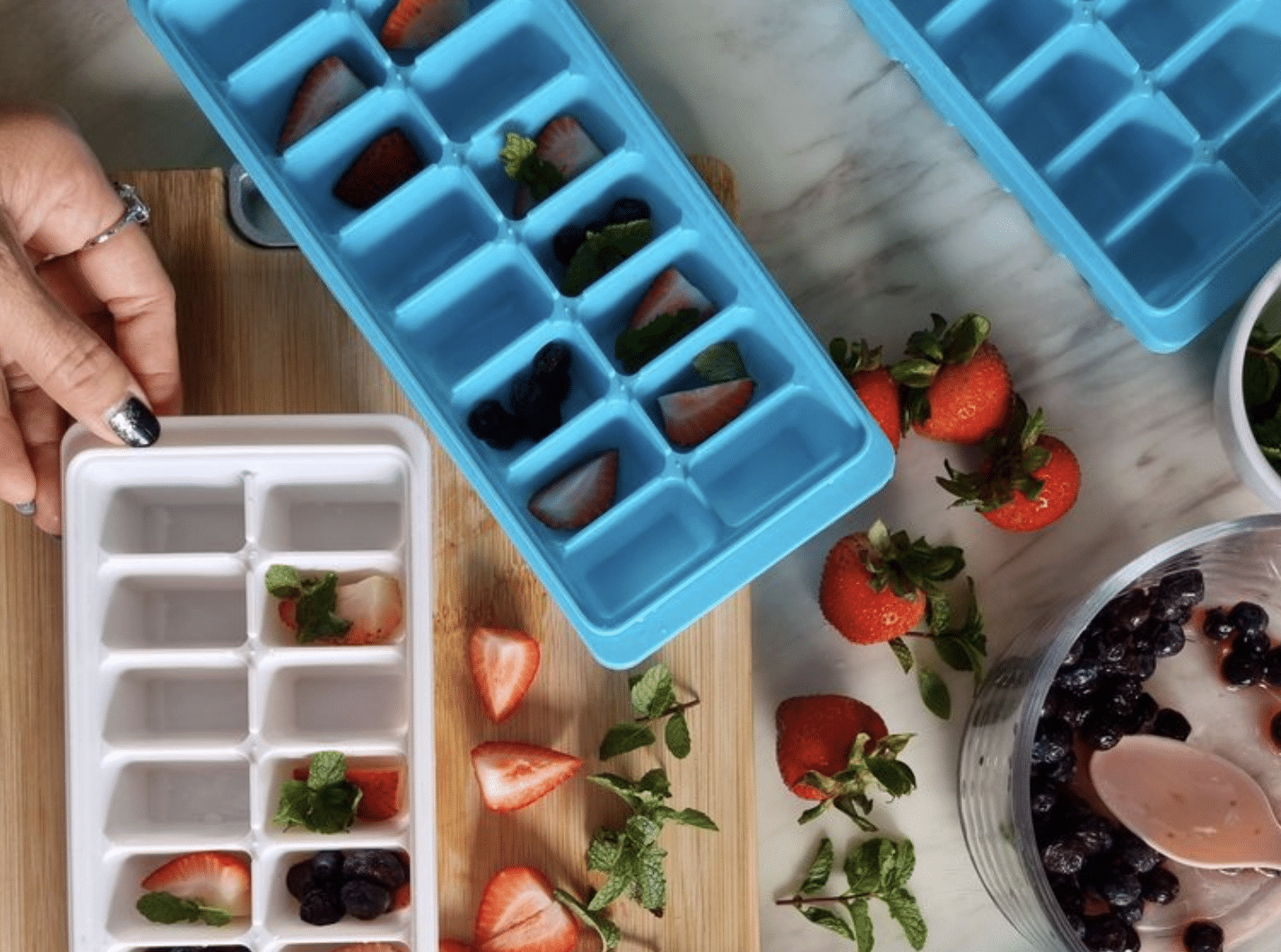
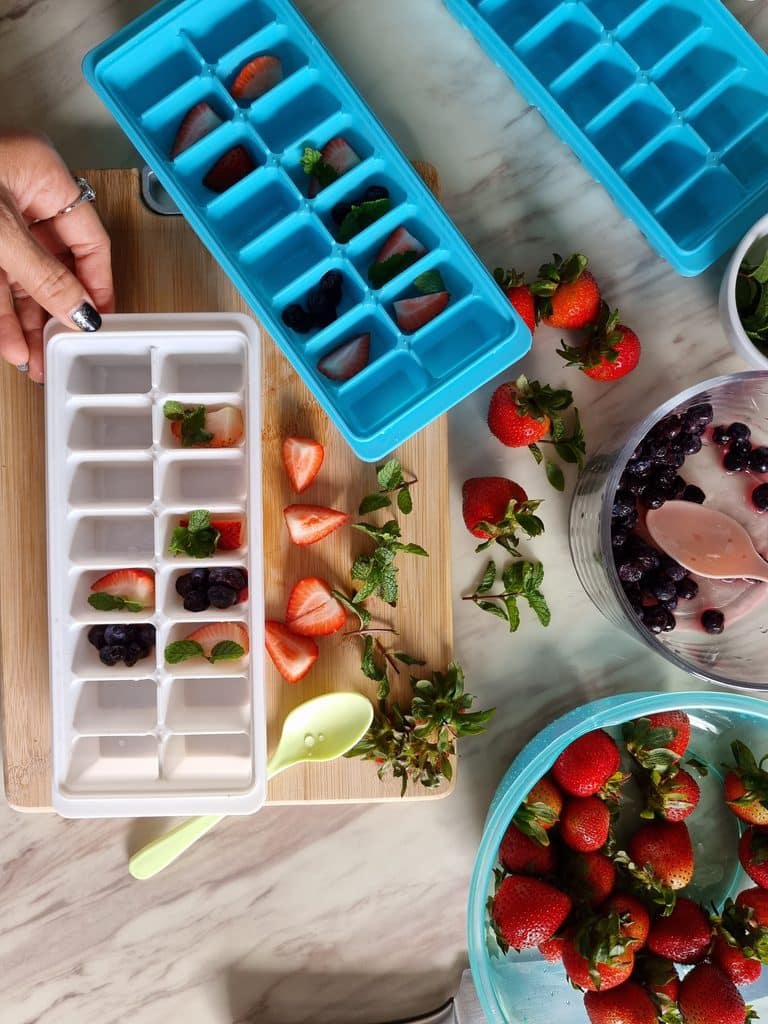
Ice trays sit in the freezer, then in your drink, then melt down and end up in your mouth. It’s a short trip.
Repeated freeze and thaw cycles are rough on cheap plastic. Older or cracked trays are the ones to watch.
Silicone trays or stainless steel ones hold up longer and don’t get that cloudy, brittle look plastic trays develop after a few years.
30. Mesh Produce Bags From The Grocery Store
Those thin mesh bags for oranges, potatoes, and onions are made from woven plastic, and they rub against the produce the entire time they’re bagged.
Takeaway: swap in a reusable cloth produce bag and you cut this contact out almost entirely.
29. Plastic Wrap Pressed Directly Onto Food
Pressing cling wrap right onto leftovers, especially anything warm or oily, is one of the more direct ways plastic ends up in food.
Heat and fat both make plastic shed faster. Warm pasta sauce under plastic wrap is a fairly bad combination.
A plate over the bowl, or wax paper, does the same job without the direct contact. It’s one of a handful of small habits quietly working against you in the kitchen, and one of the easier ones to fix today.
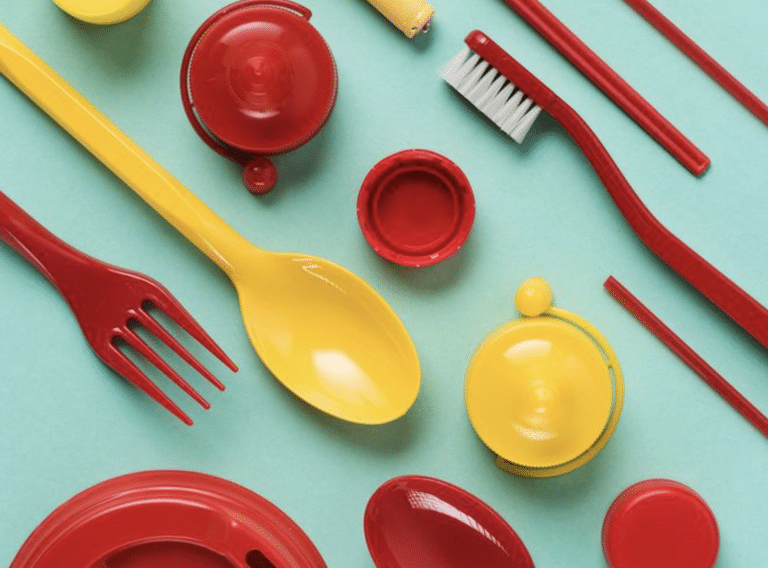
28. Disposable Plastic Cutlery
Cheap plastic forks and knives, the kind that come with takeout, are not built for durability. They’re built to be used once and tossed.
Quick Facts
Hot food + flimsy plastic utensils = more contact time and more flex, which generally means more shedding than a sturdier fork would cause. Keep a couple of metal utensils in your bag or desk drawer instead.
27. Plastic Drying Racks Under Wet Dishes
Wet dishes sitting on a plastic rack for hours, day after day, is a slow but steady source of contact.
It’s a low-priority swap compared to most items on this list. Stainless steel racks last longer anyway, which is really the better argument for switching.
26. Plastic Funnels And Canning Tools
If you can or preserve at home, the plastic funnel you use for hot liquids is worth a second look.
Takeaway: hot liquid plus plastic is a recurring theme on this list, and canning tools are an easy one to overlook.
25. Bottled Salad Dressings And Condiments
Oily dressings sitting in plastic bottles for weeks or months is a slower version of the plastic wrap problem above.
Fat is good at pulling small particles out of plastic over time. Glass bottles don’t have this issue at all.
24. Tea Bags With A Plastic Mesh Weave
Not all tea bags are paper. A lot of the pyramid-shaped “premium” bags are actually woven from a plastic mesh, often nylon or PET.
At a Glance
Steeping in near-boiling water for several minutes is close to a worst-case scenario for plastic shedding. Loose leaf tea in a metal infuser skips the issue entirely.
23. Canned Soup And Vegetable Linings
Most cans are lined with a thin plastic or resin coating to keep the metal from reacting with acidic food.
Tomato-based canned goods are generally considered the higher-contact category here, given how acidic they are.
This one’s hard to avoid completely if you buy canned goods at all. Choosing brands that disclose BPA-free linings is a reasonable middle ground. If you’re rethinking things room by room, canned goods are usually an easy category to start with.
22. Take-Out Containers Reheated In The Microwave
The container your leftovers came home in was almost never designed to be microwaved, even if it looks similar to the ones that are.
Takeaway: transfer leftovers to a glass or ceramic dish before reheating, and skip the guessing game entirely.
21. Paper Coffee Cups With A Plastic Inner Lining
Most “paper” coffee cups have a thin plastic film lining the inside so they can hold hot liquid without falling apart.
Hot coffee sitting against that lining for the twenty or thirty minutes it takes you to finish a cup is enough contact time to matter, at least a little.
A reusable mug solves this and saves you money at the same time, which is a rare two-for-one on this list.
20. Single-Use Coffee Pods
Hot water forced through a plastic pod under pressure is about as aggressive a scenario as home coffee brewing gets.
Fast Math
One pod a day is roughly 365 brews a year running hot, pressurized water directly through plastic. Aluminum pods or a reusable metal pod filter sidestep the issue if you’re attached to the machine.
19. Thin, Flexible Plastic Cutting Mats
Those bendy plastic mats that fold up to slide the chopped vegetables into a pan are convenient, and they also scar easily under a knife.
Every knife mark is a spot where tiny plastic fragments can flake off into whatever you’re cutting next. If you’re not sure what to look for, the warning signs a cutting surface is already contaminating your food are worth learning once and then just checking for.
18. Plastic Colanders And Strainers
Hot pasta water pouring through a plastic colander hits the plastic with heat and pressure at the same time.
Takeaway: stainless steel colanders cost more upfront but don’t degrade the same way after years of hot water.
17. Plastic Mixing Bowls
Vigorous whisking or mixing against a plastic bowl creates the same kind of friction as a knife on a cutting board, just gentler and spread over more surface area.
Older bowls with a dull, scratched-up interior have already lost some material somewhere. It’s not usually visible, which is part of the problem.
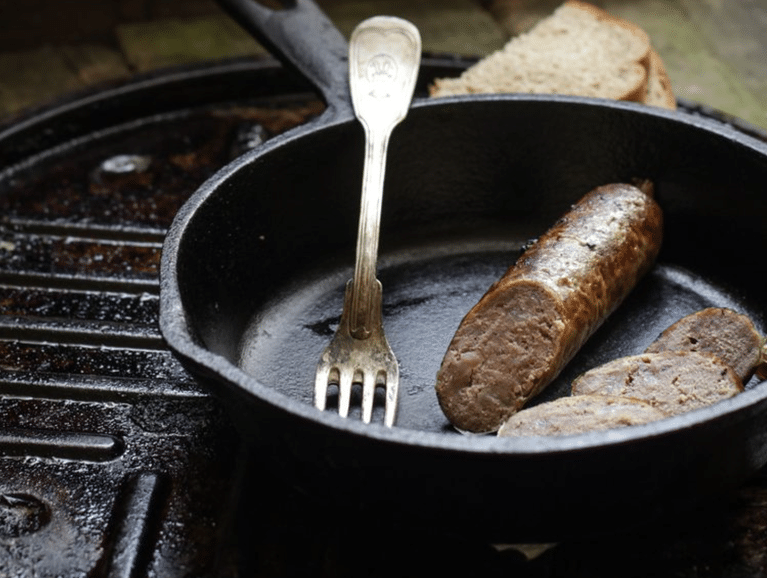
16. Nonstick Pans Once The Coating Starts Flaking
A nonstick pan in good shape is a different story than one with a scratched, peeling surface. The coating itself is the point of failure. It’s not the only kitchen tool quietly shedding into your food either.
The Breakdown
Metal utensils, high heat, and steel wool are the three fastest ways to wear down a nonstick coating. Once you can see flaking or scratches, it’s generally time to retire the pan rather than keep cooking on it.
Halfway Check
We’re at the midpoint. Notice the pattern so far: heat, friction, and time are the three things that make plastic shed. Almost every item on this list is some combination of those three.
Keep that in mind as we move into the items with more direct food contact.
15. Baby Bottles, Sippy Cups, And Toddler Plates
This one gets attention for good reason. Plastic baby gear gets washed constantly, often in hot water or a dishwasher, and used daily for months or years.
Repeated heat cycles from sterilizing or dishwashing are exactly the conditions that wear plastic down fastest.
Glass baby bottles with a silicone sleeve, or stainless steel sippy cups, are common swaps for parents who want to reduce this specific exposure.
14. Everyday Plastic Food Storage Containers
The stack of mismatched plastic containers most kitchens have is probably the single most-used plastic item in the house. There’s a whole list of plastic-free swaps that actually hold up if this is the drawer you want to tackle first.
Takeaway: anything microwaved, reheated, or stored with oily food inside a plastic container is compounding exposure, meal after meal.
13. Plastic Salad Spinners
Salad spinners get thrown around and knocked into cabinets more than almost any other kitchen tool. That physical wear adds up.
Since spinners are usually used on raw vegetables right before eating, there’s no cooking step afterward to worry about. That makes this a lower-stakes item than most on this list.
12. Reusable Plastic Water Bottles Left In A Hot Car
This is the one people forget about. A water bottle sitting in a hot car all afternoon is being heat-stressed for hours, not minutes.
Quick Facts
Car interiors regularly climb well above outdoor temperature on a sunny day. Stainless steel bottles don’t have this vulnerability at all, which is one reason they’ve become the default for a lot of gyms and school lunch boxes.
11. Squeeze Bottles For Honey, Ketchup, And Sauces
The soft plastic squeeze bottles that hold honey, ketchup, or barbecue sauce get compressed by hand every single use.
That constant flexing is a form of physical stress on the plastic, on top of whatever the food inside is already doing to it.
10. Frozen Dinner Trays Microwaved In Their Own Packaging
Some frozen meal trays are labeled microwave-safe and some aren’t, and it’s easy to stop checking after a while.
Takeaway: even microwave-safe trays are rated for a certain number of uses, not unlimited reheats, and most people use them exactly once and toss them anyway.
9. Electric Kettles With Plastic Interior Parts
Boiling water, every single day, inside a kettle with plastic components is a repeated worst-case scenario for shedding.
Full stainless steel or glass kettles exist specifically to avoid this, and they’re not much more expensive than the plastic ones anymore.
8. Kitchen Sponges With A Plastic Mesh Scrubbing Side
This is the one that surprises most people. The green scrubby side of a standard kitchen sponge is usually a synthetic plastic mesh, not a natural fiber.
Bottom Line
You’re dragging that mesh directly across plates, pans, and cutting boards, then rinsing the loosened fibers down the drain or leaving them on a “clean” dish. Cellulose sponges or a natural bristle brush skip the plastic entirely, and honestly work about as well.
7. Bamboo Composite Cutting Boards Held Together With Plastic Resin
Here’s the honest one. A lot of people already made the “safe” swap to a bamboo cutting board, and this is where it gets complicated.
Solid bamboo is fine. But a lot of the cheap bamboo boards sold at big box stores are actually bamboo fiber pressed together with a plastic-based resin, sometimes called melamine composite.
Under a knife, that resin can behave a lot like plastic, not like wood. Buying “bamboo” doesn’t automatically get you out of the plastic conversation, and it’s worth checking whether a board is solid bamboo or a composite before assuming it’s the safer choice. There’s a full breakdown of wood versus plastic versus bamboo if you want the complete picture before buying anything new.
Worth Knowing
A solid end-grain hardwood board, like a HardwoodChef acacia board, doesn’t have this resin question at all since there’s no composite binder involved. That’s a different conversation from bamboo composite, not necessarily a better or worse one across the board, but it is a cleaner one.
6. Plastic Blender Pitchers And Food Processor Bowls
Blades spinning at high speed against the inside walls of a plastic pitcher is about as much friction as a kitchen tool sees in normal use.
Takeaway: a glass blender pitcher removes this specific concern, though the blade assembly itself is usually plastic regardless of pitcher material.
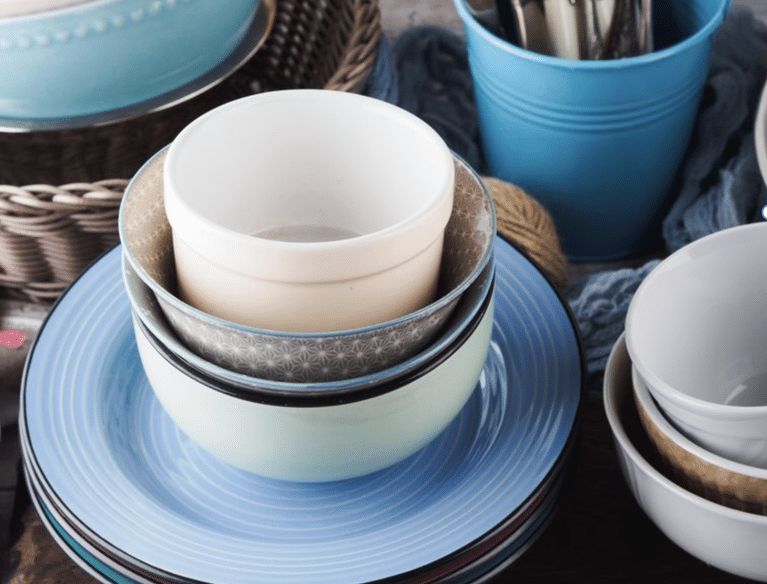
5. Plastic Salad And Serving Bowls
Tossing an oily, acidic salad in a plastic bowl combines two of the biggest shedding triggers on this entire list: fat and acid, at the same time.
Wood or ceramic serving bowls don’t react the same way to vinaigrette sitting against them for the length of a dinner party. If you’re shopping for one, there’s a quick guide to matching bowl size and material to how you actually entertain.
4. Plastic-Handled Graters, Peelers, And Can Openers
Small tools with plastic handles that grip food directly, like a cheese grater or a can opener wheel, get overlooked because they seem minor.
At a Glance
Individually, low impact. As a category of five or six tools all doing the same thing in one kitchen, it adds up more than people expect.
3. Plastic Water Filter Pitchers Sitting In The Fridge
This one’s genuinely counterintuitive. You buy a filter pitcher specifically to make your water cleaner, and the pitcher itself is plastic, sitting full of water for days at a time.
The filter does remove some contaminants, that part is true. It doesn’t do anything about the plastic reservoir holding the water before and after filtering.
Glass or stainless steel filter pitchers exist, they’re just less common and a bit pricier. For a device you’re using specifically to improve water quality, it’s a reasonable place to spend a little more.
2. Plastic Spatulas, Tongs, And Stirring Utensils Used Over High Heat
Almost every stovetop utensil set sold today includes at least a few plastic or nylon pieces, and they get used right where the heat is highest.
Takeaway: a spatula that’s gone soft, warped, or slightly melted at the edge has already shed material into whatever you cooked with it, probably more than once.
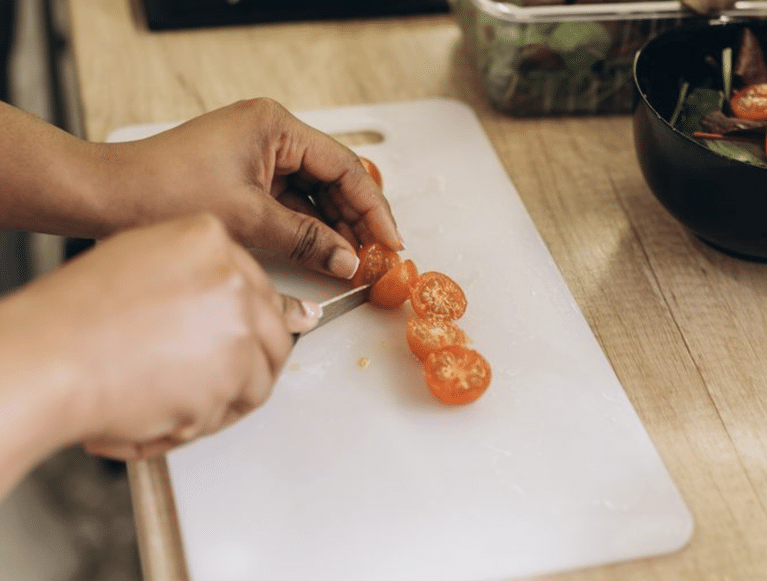
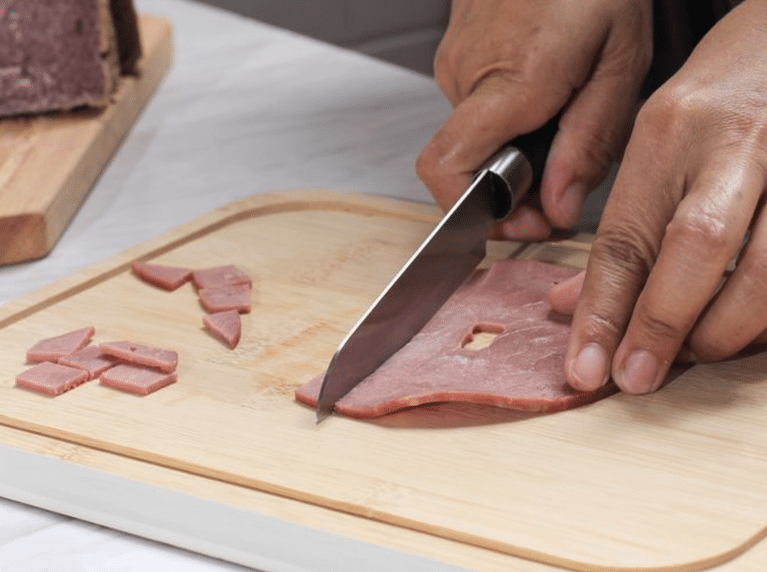
1. Plastic Cutting Boards, Especially Ones With Deep Knife Scarring
Here it is. Of everything on this list, the cutting board is the item touching your food the most directly, the most often, and with the most physical force behind it.
Every slice of a knife across a plastic board leaves a groove. Those grooves fill with tiny plastic fragments, trap moisture and bacteria, and get harder to clean the older the board gets.
A board that looks fine from across the kitchen can look pretty rough up close, once you actually run a finger over it.
This is the item most worth actually replacing rather than just noting and moving on, since it’s the one you probably touch every day, sometimes more than once. A solid hardwood end-grain board, the kind that self-heals slightly with oiling instead of scarring permanently, is a genuinely different category of tool from a plastic one, not just a different material with the same shape. A board like the HardwoodChef acacia end-grain, cared for the way most solid hardwood boards are, tends to outlast several plastic replacements over the same stretch of years.
If you only make one change from this entire list, most people land here first, and for good reason, especially once you’ve seen what it actually takes to make one last for decades instead of years.
Before You Go
Thirty-one items is a lot to hold in your head at once, so here’s the compressed version.
Heat, friction, and time are the three things that make plastic shed into food. Almost everything above is some combination of those three.
If you only fix a few things, start with the cutting board, the utensils you use over direct heat, and anything you regularly microwave in its own container.
Everything else on this list is worth knowing about. It’s not all worth panicking about, and that includes the bamboo composite entry, which deserves a second look rather than a full replacement in most cases.
Small, permanent swaps in the highest-contact spots tend to matter more than trying to overhaul an entire kitchen in one weekend. For a deeper look at what the research on kitchen microplastics actually shows, there’s a full guide covering the science behind all of this.