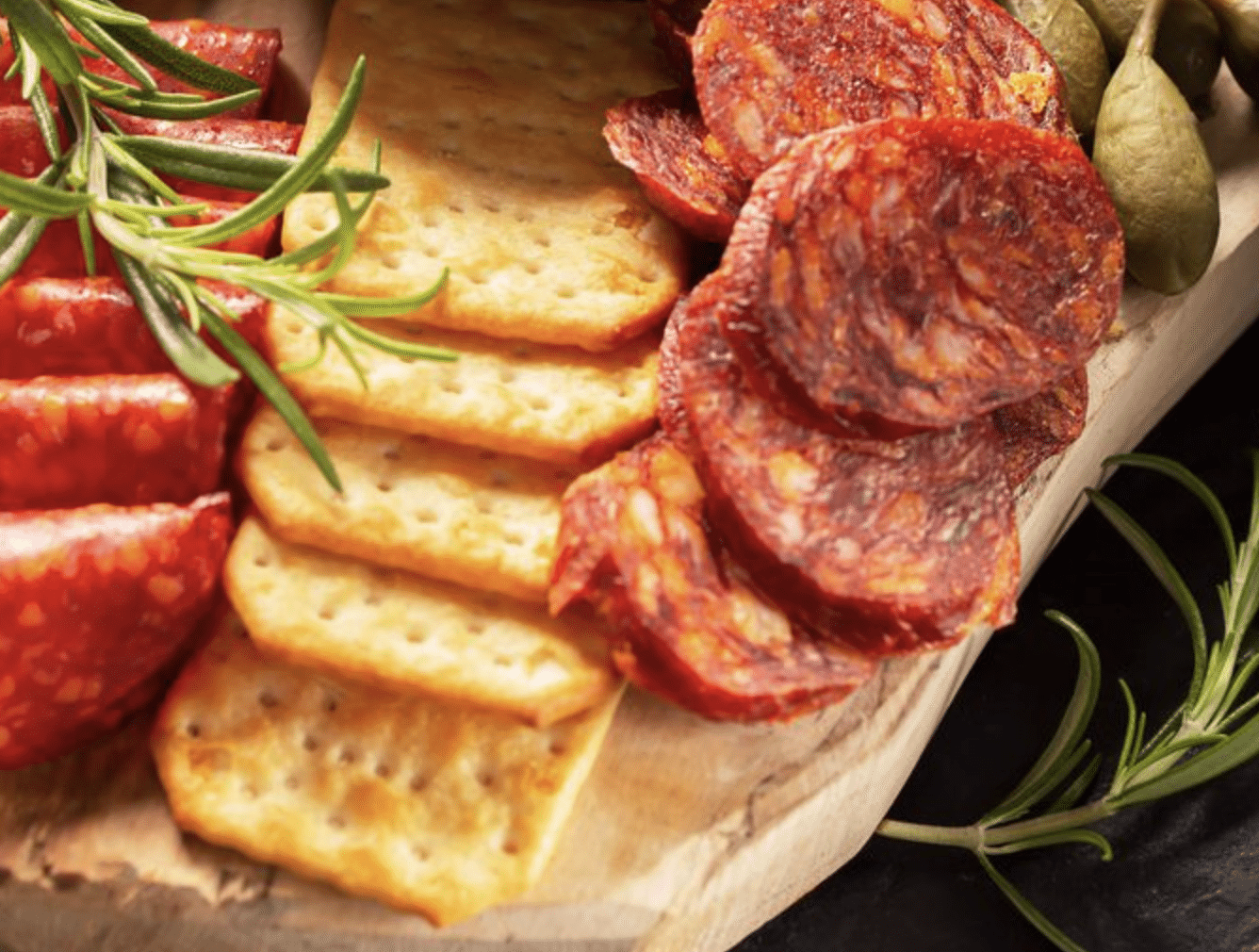
15 Charcuterie Board Ideas That’ll Steal the Show at Your Next Party

A charcuterie board doesn’t have to mean the same fan of salami and a wedge of brie every single time. That’s a fine default, but it’s not the only move.
Themed boards give people something to talk about before they even pick up a cracker. They’re also just more fun to build.
We’re mixing budget-friendly ideas with a couple of genuine showstoppers here, and being honest about which trends are actually worth the effort.
15 ideas, counting down to the one that gets the most reaction for the least work.
15. The Mediterranean Board
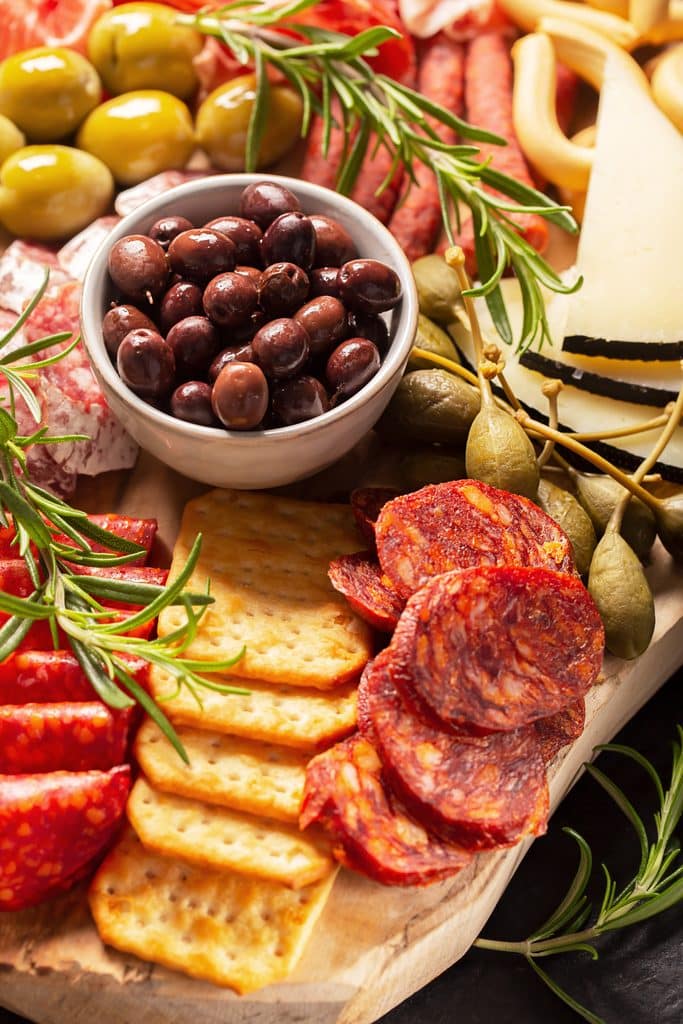
Hummus, olives, feta, warm pita triangles, and roasted red peppers. Bright, herby, and it holds up well at room temperature for a couple of hours, which not every board can claim.
Add a small bowl of marinated artichoke hearts for texture, and cluster the olives so their color reads as one bold block rather than scattered dots.
14. The Breakfast Board
An unexpected one for brunch instead of the usual plated eggs. Mini pastries, soft cheeses, fruit, honeycomb, and a few slices of prosciutto for a savory anchor.
This one works especially well because guests can build their own plate rather than waiting on a single dish coming out of the kitchen.
13. The Build-Your-Own Taco Board
Not traditional charcuterie, but the same board format works well here. Small bowls of toppings arranged around a central pile of warm tortillas.
Great for casual gatherings where people want to customize their own plate rather than commit to one combination.
12. The All-Chocolate Dessert Board
Different chocolate percentages, a few dipped strawberries, dried fruit, and toasted nuts. Genuinely simple to assemble and photographs well.
Arrange chocolate pieces from darkest to lightest across the board for a visual gradient that takes zero extra effort.
11. The Autumn Harvest Board
Sliced apples and pears, aged cheddar, candied pecans, a small dish of honey, and fig jam. Warm tones that fit the season without being tied to any one holiday.
A cinnamon stick or two tucked between the cheese and fruit adds a nice visual detail for basically no cost.
10. The Cheese-Only Flight
For the guests who actually care about cheese. Four to six varieties spanning soft, semi-hard, and hard, each labeled with a small card so people know what they’re trying.
The labeling is what elevates this from a normal cheese plate to something that reads as intentional. It takes an extra five minutes and makes a real difference.
9. The Picnic Board
Built for outdoor gatherings, so everything on it should hold up without refrigeration for a couple of hours. Hard cheeses, dried meats, crackers, and dried fruit rather than anything soft or dairy-heavy.
Skip anything with mayo-based dips here. It’s the one category of food that genuinely doesn’t belong outdoors for long.
8. The Monochrome Board
Every item in shades of a single color, all-white for example: brie, cauliflower, white grapes, cracker varieties, marshmallows for a dessert version.
Honestly, this one’s more work than it looks and sources ingredients that fit the color constraint can be surprisingly limited. It photographs beautifully but isn’t worth the hunt for a casual gathering, save it for when the visual is really the point.
7. The Game Night Board
Finger foods only, nothing that needs a knife or plate. Cubed cheese, pepperoni, pretzels, mixed nuts, and grapes people can grab one-handed while still holding cards.
Practicality is the whole point here rather than presentation, and it still looks plenty good.
6. The Mini Individual Boards
Instead of one large shared board, small personal boards for each guest with a mini version of the same spread. Genuinely elevates a dinner party without much added cost.
This works especially well for a smaller, seated gathering where a giant shared board would look out of place on individual place settings.
5. The Spicy Board
Pepper jack, spicy salami, candied jalapeños, hot honey drizzled over a soft cheese, and spiced nuts. A fun theme for anyone hosting people who actually like heat.
Keep one mild section on the board too, since not every guest wants the full heat level, and a board that alienates half the room isn’t doing its job.
4. The Wine Pairing Board
Built around whatever wine you’re serving that night, with cheeses and accompaniments chosen specifically to complement it rather than a generic mix.
This takes a bit more planning than most boards on this list, but it turns the board into a real centerpiece for a wine night rather than a side snack.
3. The New Year’s Eve Board
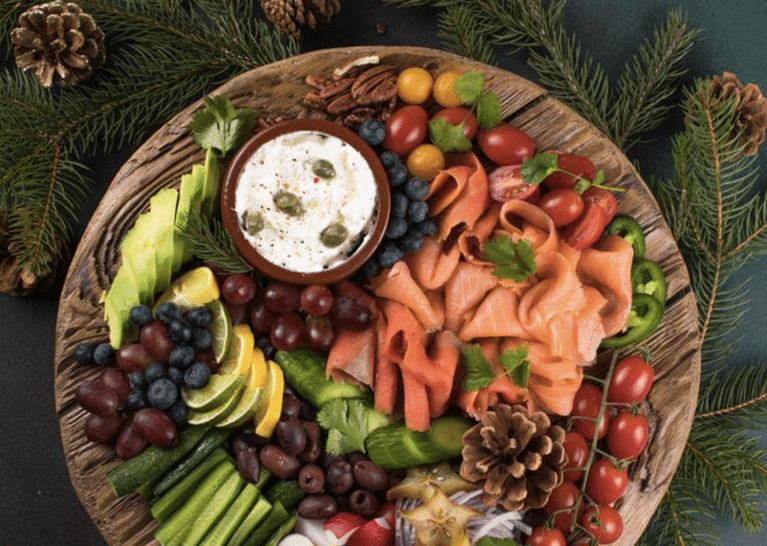
Something a little more indulgent than a typical weeknight board. Smoked salmon, caviar if you’re going all out, champagne grapes, and dark chocolate for the countdown.
The champagne grapes are a small detail that reads as intentional without adding real cost or effort.
2. The Grazing Table
This is a full board scaled up to cover an entire table for larger gatherings, wedding-shower or milestone-birthday scale events. Genuinely the biggest visual impact on this list.
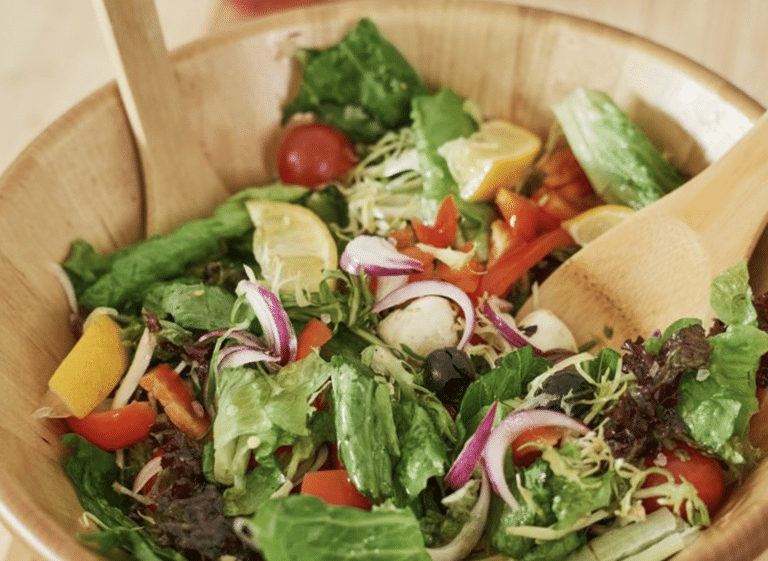
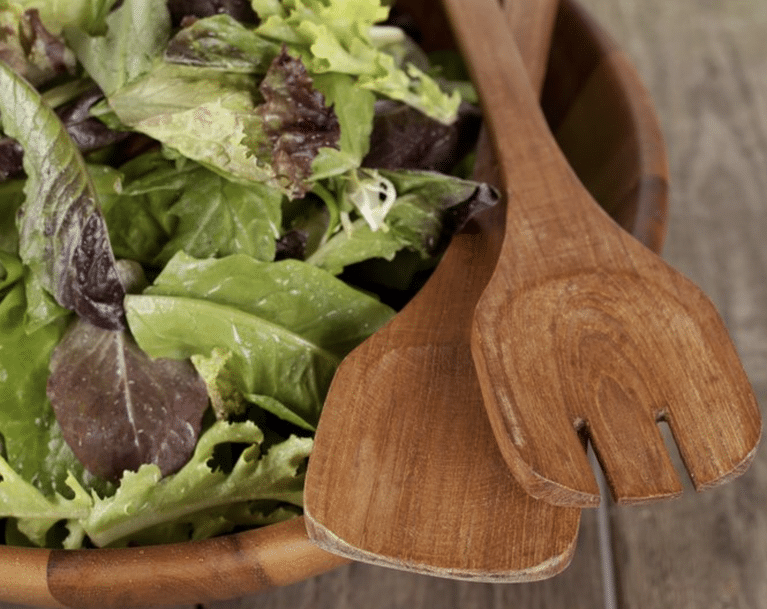
It’s also the most work, since it needs to be built directly on the table surface rather than assembled ahead of time and carried out. Plan real setup time, and ideally an extra pair of hands. A large wood salad bowl works well as a centerpiece anchor for a table this size, our guide to choosing one covers sizing for bigger gatherings.
1. The Classic Board, Done Right
Sometimes the payoff spot on a list like this should just be the fundamentals, done well, and this is that entry. The classic board isn’t boring when the execution is right.
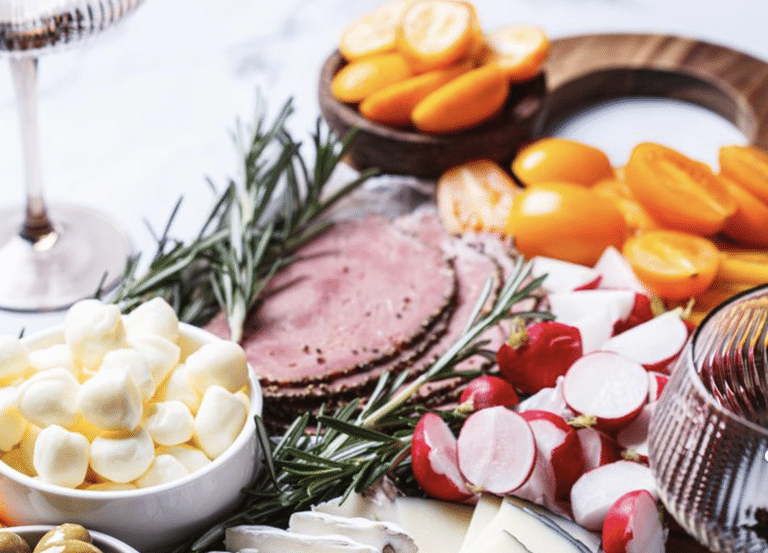
The difference between a forgettable classic board and a genuinely great one usually comes down to a few things: variety of texture, not just three types of the same soft cheese. Height, using small stacks or folded meats rather than laying everything flat. And color contrast, so the board doesn’t read as one uniform beige mass from across the room.
Work in three to four cheeses spanning different textures, two or three cured meats, a mix of fresh and dried fruit, a couple of jams or honey, nuts, and crackers in more than one shape. Fill gaps with the smallest items last, olives, berries, small clusters of herbs, so nothing looks sparse.
The surface underneath matters more than people think too. A wide, solid wood serving board gives everything room to breathe and holds up under the weight of a fully loaded spread without flexing the way a thin plastic platter can. Our guide to choosing a board covers sizing if you’re shopping for one.
Master this version first. Every themed board above is really just a variation on these same principles with a different color palette and ingredient list layered on top.
Before You Go
Pick a theme that fits the actual gathering, not the one that looks best online. A picnic board at a formal dinner party feels off, same as a champagne board at a casual game night.
For holiday-specific versions of a lot of these same ideas, our 21 holiday charcuterie themes goes deeper into occasion-based boards. And if you’re newer to building boards in general, our complete beginner’s guide covers ratios and layout from the ground up. Whichever board you end up using, our care guide keeps it looking good spread after spread.